
Last updated November 21, 2026
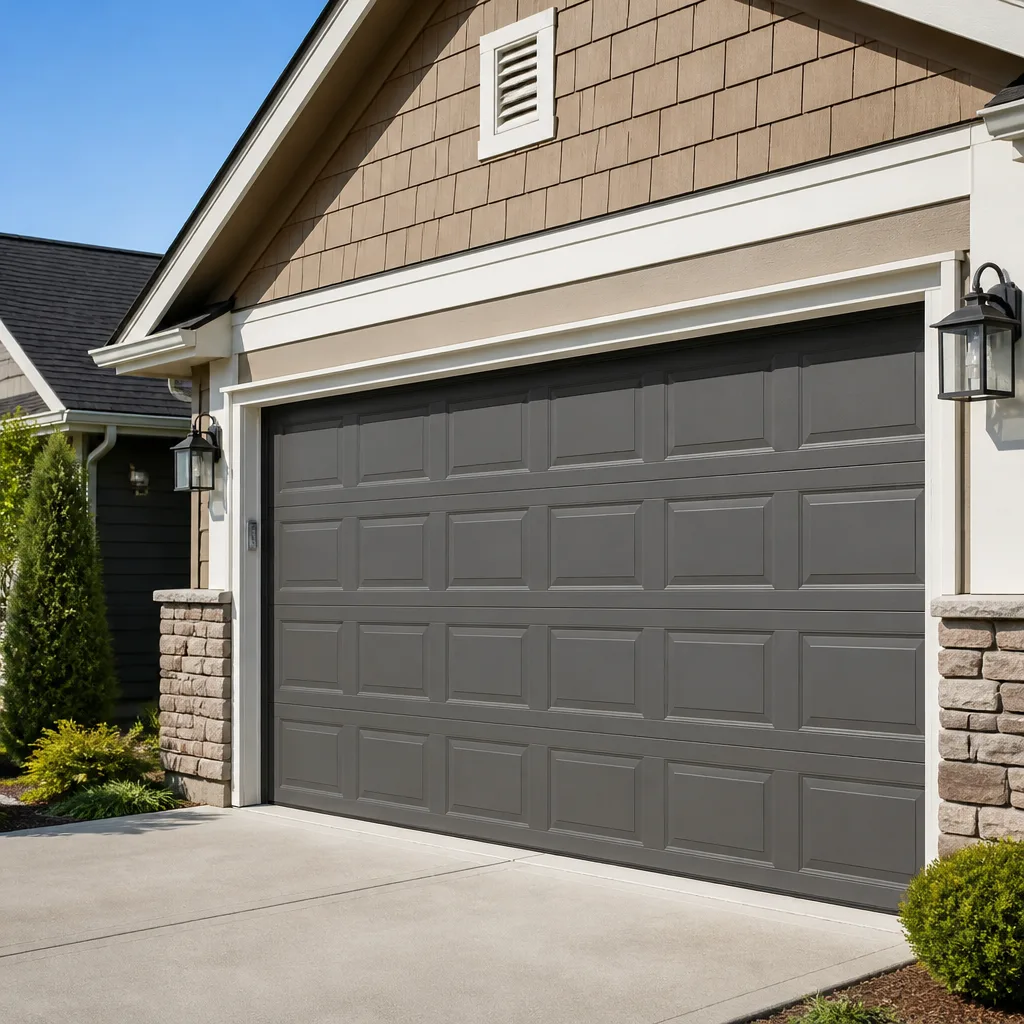 Raised-panel steel
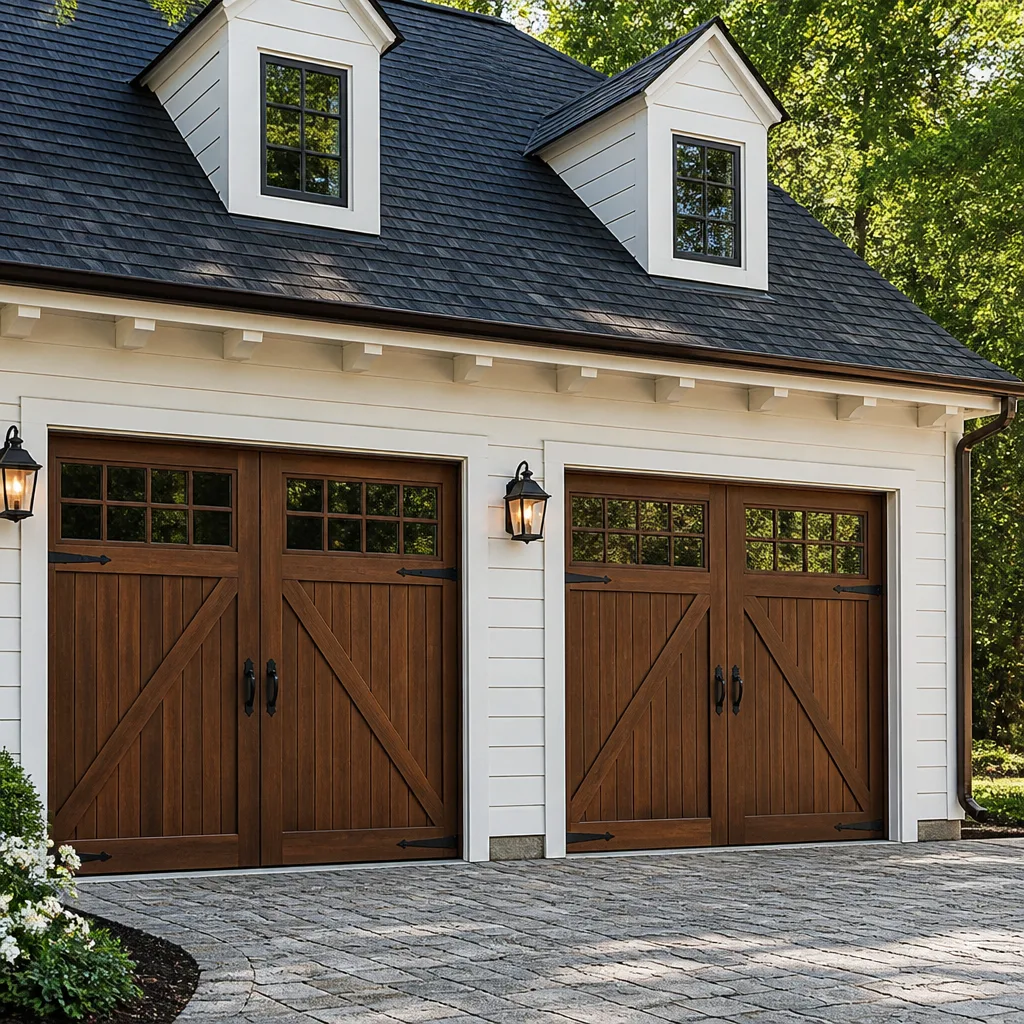 Carriage house
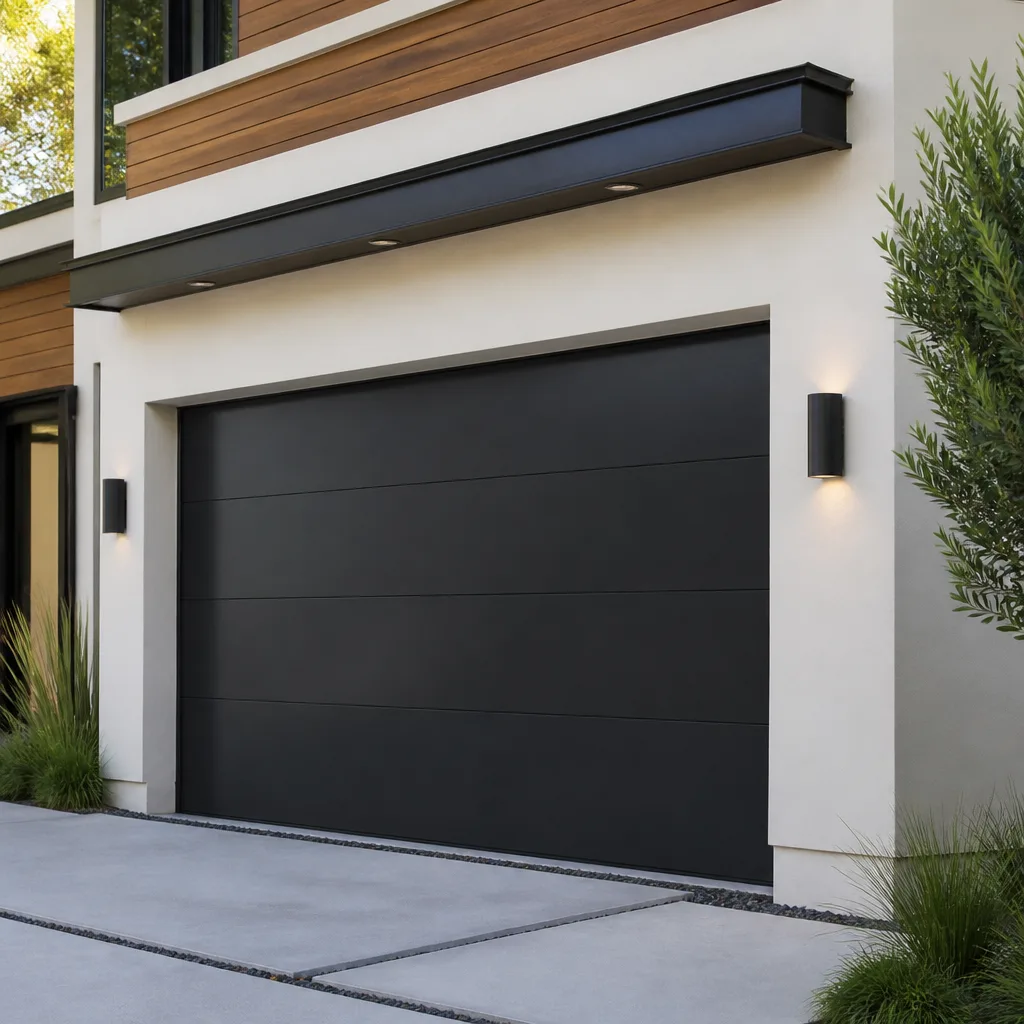 Modern flush
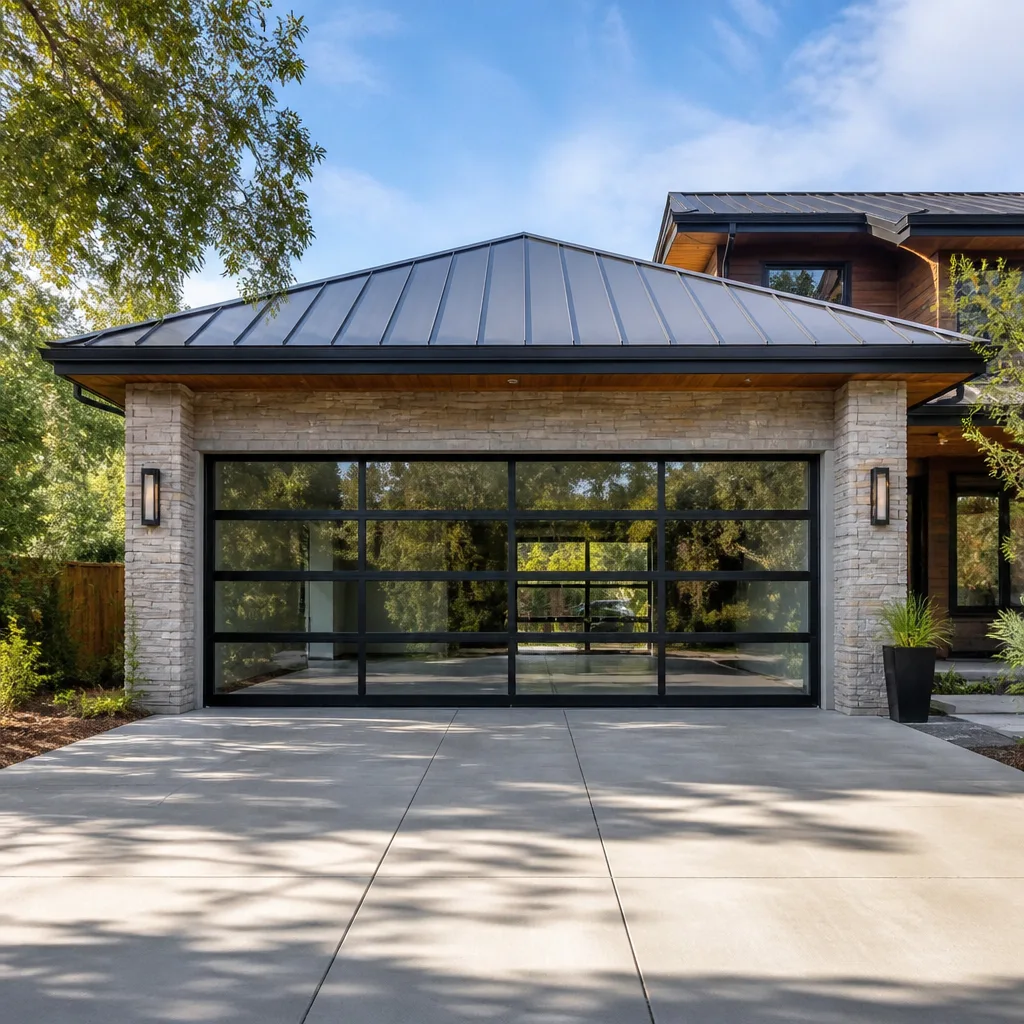 Full-view glass
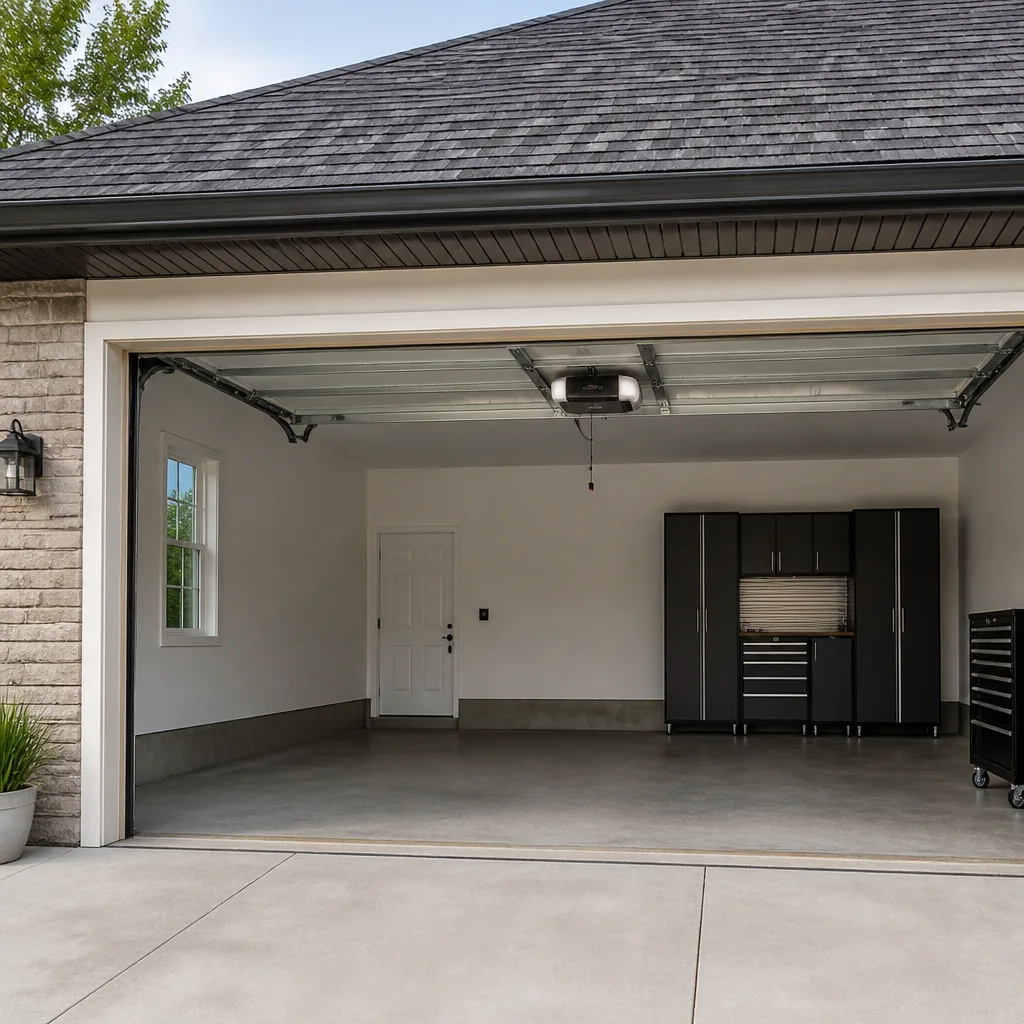 LiftMaster openers
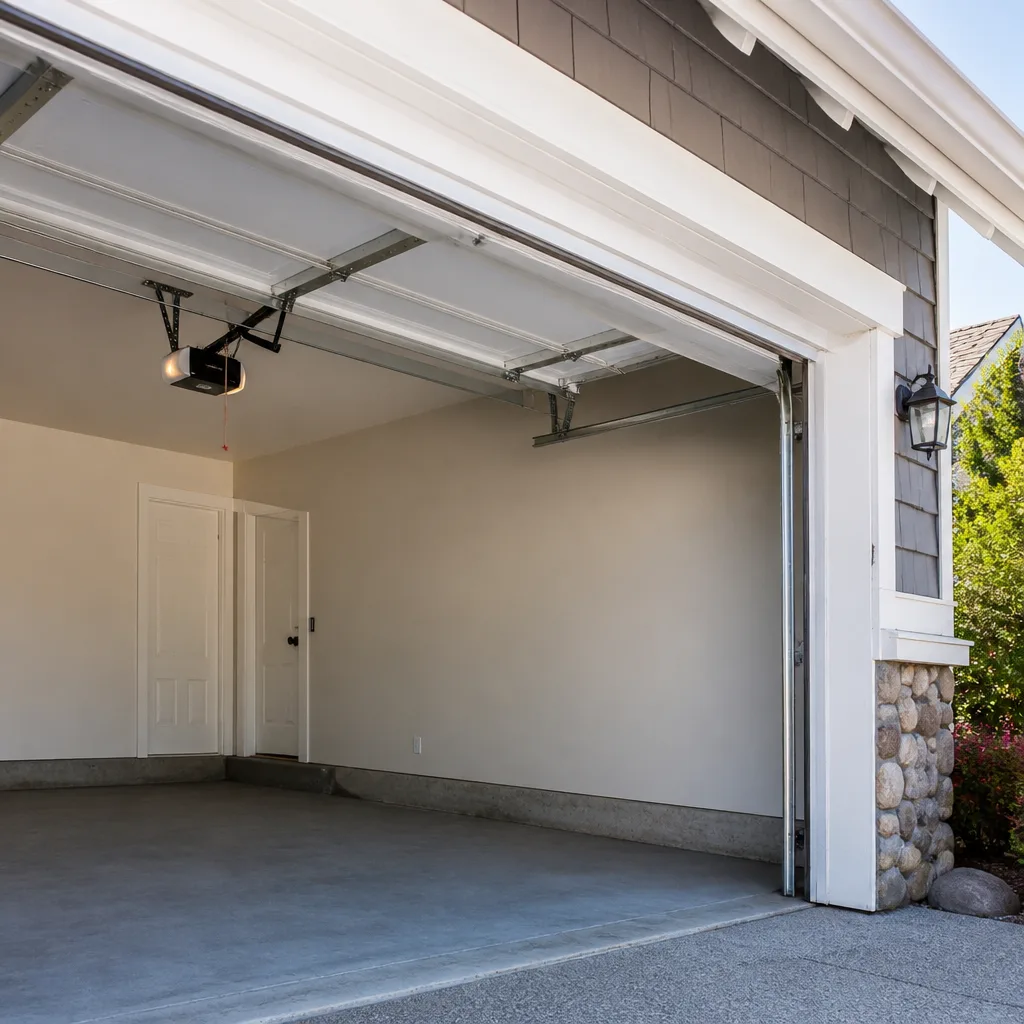 Chamberlain openers
Full 25-point door and opener safety check with every visit - springs, cables, rollers, tracks, and your LiftMaster or Chamberlain opener included
You get a price before we start. It does not change when the pro arrives.
Get your free estimateHow to Hire a Garage Door Contractor in Lehigh Acres: A Step-by-Step Guide
After a storm passes through Lehigh Acres, the number of contractors willing to “handle your garage door too” seems to triple. The number actually qualified to do it correctly doesn’t move at all. That gap is the whole problem. General handymen, roofers, and out-of-state crews roll through after heavy weather and offer garage door work as an easy add-on, and homeowners in a hurry hand over a deposit before anyone checks a license. This guide gives you a concrete filter to run before the first phone call ends, so you can tell a genuine door specialist from an opportunist. You’ll learn what Florida licensing actually covers, the five questions that expose a vague contractor, and what a written quote must include to protect you.
Quick Answer
To hire a garage door contractor in Lehigh Acres, verify the company actually specializes in garage doors rather than treating the work as an add-on, confirm the crew is properly licensed and insured for the state of Florida, and get a written quote that lists brands, parts, and scope before any work starts. Ask directly which brands they work on and whether they carry manufacturer-matched parts. A specialist answers with specifics. A generalist gets vague. The written estimate, agreed before the job begins, is what sets your final price.
Styles & brands we work with
- Raised-panel steel
- Carriage house
- Modern flush
- Full-view glass
- LiftMaster openers
- Chamberlain openers
Table of Contents
- What Florida Licensing Actually Requires for Garage Door Work
- The Five Questions to Ask Before You Schedule a Quote
- How to Tell Matched Parts From Generic Substitutes
- Red Flags in Lehigh Acres’ Post-Storm Contractor Surge
- What a Written Quote Must Include in Florida
- Why Lehigh Acres’ Climate and Housing Shape the Work
- Separating a Door Specialist From a Generalist
- How the Hiring Process Should Flow, Start to Finish
What Florida Licensing Actually Requires for Garage Door Work
Florida does not have a single “garage door contractor” license handed out on its own. That surprises a lot of Lehigh Acres homeowners, and it’s exactly what unqualified operators lean on. Garage door installation and repair fall under general contracting and specialty contractor categories regulated at the state or county level, which means the license a contractor holds may not actually cover the specific work you’re hiring for. The key is to ask which license they carry and what category it falls under, then confirm it. A contractor who can’t answer that clearly is not someone you want spring-loading a torsion system above your car.
Here’s what to understand before you call anyone in Lehigh Acres:
- A general contractor license is broad, not door-specific. It may permit structural and remodeling work but says nothing about whether the holder has ever tensioned a torsion spring correctly. Broad coverage is not the same as relevant competence.
- Specialty and local licensing varies. Some work is regulated at the county or municipal level. Ask your city’s building department whether a permit or specific license class applies to your job before the contractor arrives.
- Insurance is separate from licensing. A valid license doesn’t guarantee active liability coverage. Ask for proof of insurance and confirm it’s current, not a certificate that expired last year.
- The person doing the diagnostic should be able to explain the system. Torsion springs, extension springs, cable tension, and opener rail alignment are different skills. A licensed generalist can still be the wrong hands for the job.
One practical guardrail: when you’re hiring for a repair and not a full replacement, the company you choose should be able to talk through how a torsion or extension spring works and why a failure is dangerous without ever suggesting you touch it yourself. High-tension springs and the cables under load are genuinely hazardous, and a trained professional should be the only one working on them. If a contractor downplays that, treat it as a warning about everything else they’ll do.
The Five Questions to Ask Before You Schedule a Quote
The first phone call is your best filter. Most contractors can sound knowledgeable for ninety seconds. Very few can answer all five of these with specifics, and the quality of each answer tells you almost everything. You want the company connecting you to a vetted local professional who works this trade every day, so treat a vague answer to any question as a signal to keep calling.
- “Which garage door brands do you work on?” A specialist names actual systems: Clopay, Amarr, Wayne Dalton, Craftsman, LiftMaster, and others. A generalist says “all of them” or “whatever you’ve got.” Facility with specific makes and models means they diagnose the actual system, not a generic guess.
- “Do you handle springs yourself, or do you subcontract?” Spring work is the part generalists routinely decline or botch because it’s dangerous and technical. If the answer is fuzzy about who’s doing the spring repair, assume it’s not them.
- “Will you give me a written quote before work starts?” The answer must be yes, and the quote must be itemized. A price quoted over the phone that suddenly grows when they arrive is the oldest trick in the trade. The written estimate is what sets the final price, and it’s agreed before the first screw turns.
- “Are the parts you use manufacturer-matched, and does the work affect my warranty?” Generic substitute parts and cross-brand components can affect an existing manufacturer warranty. A specialist knows which parts match your door’s system and whether swapping them creates a problem.
- “What does your insurance cover, and who’s the licensed entity?” You want the name on the license, the scope of coverage, and proof it’s active. Vague here means walk away.
Run these five in order and you’ll spend about three minutes per call. That’s less time than you’ll spend arguing over a bill once a generalist has finished a job you’ll have to redo. For a dedicated garage door repair job, the answers should line up with what a full-time door specialist would say. If they don’t, you’ve saved yourself a headache.
How to Tell Matched Parts From Generic Substitutes
Parts is where the gaps between a specialist and a generalist show up as real money. Garage door systems are engineered as a whole: the spring is matched to the door’s weight, the opener’s cable tension to the rail and drum, and the panel hardware to the manufacturer’s tolerances. Swap in a generic substitute and the door may work for a while, but you’ve introduced a mismatch that shortens the life of the parts around it and can affect the manufacturer warranty on the door or opener. A specialist stocks and specifies parts matched to the exact system. A generalist grabs the closest thing on the shelf.
How to verify you’re getting matched parts:
- Ask for the part number and brand on the quote. If the written estimate says “spring” with no specification, that’s a gap. You want the brand and model spelled out.
- Confirm it fits your door’s make. If you have a Clopay or Amarr door and the quote stays silent on compatibility, ask. The technician should be able to say why that part matches that door.
- Ask how the warranty interacts. A proper answer describes whether the replacement preserves your existing manufacturer coverage or how it interacts with it. “Don’t worry about it” is not an answer.
- Watch for universal-fit language. “Universal” springs and openers exist, but on a weighted, tensioned system, universal means compromise. On a garage door opener repair, brand-matched parts matter just as much.
Our technicians have up to 15 years of experience working across the major brands, which is why brand-specific diagnostics matter more than any marketing claim. When we connect you to a local pro, the fix is matched to the exact make and model, not patched with whatever fits. That’s the difference between a repair that lasts and one you’re paying for again in a year.
Red Flags in Lehigh Acres’ Post-Storm Contractor Surge
Lehigh Acres sits in an area where summer storms and the occasional tropical system can leave doors damaged, tracks bent, and panels dented. Right after a weather event, the local contractor population swells with crews who drive in, knock on doors, and offer quick fixes. Some are legitimate and local. Many aren’t. The problem when you’re stressed and your door won’t move is that it’s hard to tell the difference in the moment, and that’s exactly what a bad operator counts on.
Watch for these post-storm warning signs:
- Out-of-state plates and no local presence. A crew you’ve never heard of, with no verifiable local footprint, offering to “handle your garage door too” is the classic pattern. They finish and leave before problems surface.
- Pressure to decide now. “This price is only good today” or “we’re doing your neighbor’s, sign now” are closing tactics, not service. A legitimate contractor will put a written quote in your hand and give you time to read it.
- Cash deposits with no written scope. Money up front with no itemized quote means no protection if the work is wrong or never finished.
- Door-to-door solicitation right after a storm. Real specialists don’t need to cold-knock. Homeowners in Lehigh Acres call them because the door is broken and they need it fixed correctly.
- No verifiable license or insurance. Ask, then confirm. If the answer is “we’ll get you the paperwork later,” there’s your answer.
The safest move after a storm is to call a company you can verify, not the one that found you first. When a door traps your car in or out of the garage, the urgency is real, and that’s when pressure-close tactics work best on people. Slow down for thirty seconds, ask the five questions, and confirm the license before anyone touches a spring.
What a Written Quote Must Include in Florida
A written quote is your entire defense against scope creep. In Florida, a clear written estimate protects you because it defines exactly what is being done, with what parts, for what price, before the work begins. When the quote is vague, “scope creep” fills the gap: the technician “discovers” an extra spring, an extra opener part, an extra labor charge, and the bill grows. A thorough written quote leaves no room for that. The written estimate sets the final price, and anything outside it should require your sign-off.
Your written quote should include all of these:
- The license and business name. The entity that will do the work, and the license it operates under, spelled out. You should be able to match it to the person who shows up.
- An itemized breakdown. Each part, each labor line, each charge. Not a single lump figure. Compare quotes line by line; a suspiciously low total usually hides missing scope.
- Brand and model of every part. Spring, opener, panels, hinges, rollers, cables. If it’s not specified, ask before you sign.
- The scope of work in plain language. What’s being repaired or replaced, and what isn’t. Be explicit about what the quote does not cover.
- The total price and payment terms. What you pay, when, and how. No surprise add-ons after the job. The price is agreed in writing first.
- Warranty and workmanship terms. What’s covered, for how long, and what voids it. This is where matched parts pay off.
- Your written approval requirement. Any change to scope should need your agreement before it happens. That’s the clause that stops scope creep cold.
Read the quote before you sign it, and make them rewrite anything that reads as vague. A specialist won’t balk at that. A generalist will.
Why Lehigh Acres’ Climate and Housing Shape the Work
Lehigh Acres is a sprawling, relatively young community of single-family homes, and most of them have attached garages, often two-car. That matters for hiring because the housing stock and the local conditions shape what breaks and how it should be fixed. Summers are hot and humid, storms are common, and the combination puts steady wear on the parts most likely to fail. When you’re selecting a contractor, the right company should be able to talk about your specific door in that context, not about garage doors in general.
What that looks like in practice:
- Heat and humidity stress the hardware. Metal hardware and cable lubricants take a beating over hot, humid seasons. A technician familiar with the local climate knows where to look for early wear on rollers, hinges, and cables before they fail.
- Storms bend tracks and shift panels. Wind and impact can knock a door off its tracks or buckle a panel. Damaged tracks call for careful realignment, not force, and that’s a job for a specialist who knows the system.
- Attached garages affect the whole house. A jammed door isolating your car, or a panel that won’t seal, affects daily life in a way that a detached-garage homeowner doesn’t face. Getting it right the first time matters.
- Newer subdivisions, consistent doorway sizes. The area’s growth means a lot of homes with standard openings and similar systems, so a technician who works Lehigh Acres regularly knows the common configurations and can diagnose faster.
None of that is exotic, but it all points one way: the contractor who works this community and this climate every day will spot and fix the right thing faster than someone who treats the garage as an afterthought. Our technicians have up to 15 years of experience across the major brands, and when it comes to garage door spring repair in the local heat, that specific experience is the part that matters.
Separating a Door Specialist From a Generalist
Here’s the core decision. A garage door specialist does one thing and does all of it: repair, opener work, spring work, and full installation. A generalist does a bit of everything and treats the garage as an add-on between roofing jobs. The difference isn’t marketing. It’s training, tooling, and what happens when something goes wrong on a tensioned system. In a market like Lehigh Acres, where generalists and roofers routinely offer door work on the side, this distinction is the whole reason to slow down before you hire.
How to tell them apart before you commit:
- Ask what they do all day. A specialist describes garage door repair, opener repair, spring work, and new-door installation as the core menu. A generalist lists doors among twenty other things.
- Ask about spring work directly. Spring repair is the technical and safety-critical part that generalists avoid. A specialist offers it as a named, deliberate service.
- Check the emergency availability. When a door won’t move, you need someone who treats emergency response as a real offering, not a premium upsell after normal hours. A specialist is set up for it.
- Ask which brands they’re familiar with. Facility with LiftMaster, Chamberlain, Genie, Clopay, Amarr, Wayne Dalton, Craftsman, and Raynor means brand-specific expertise, not guesswork. A generalist works on “whatever.”
There’s also the question of what you need today versus what you might need later. A door that’s failing today may need replacement in two years. A specialist with full-cycle capability, from emergency repair through Lehigh Acres Garage Door Repair Pros installation, keeps you from hunting for a new contractor when the door finally gives out. That continuity is worth something, and it’s a sign you’re dealing with someone who’s built their business on this one trade.
One more point on safety. If your door is off its tracks or a spring has snapped, don’t try to force it up or down, and don’t let a generalist do it either. The tensioned springs and cables are under enormous load and can cause serious injury if handled wrong. The right call is a specialist who knows the system and won’t improvise.
How the Hiring Process Should Flow, Start to Finish
A clean hiring process shouldn’t feel like a cleanup operation. You ask questions, you get answers, you receive a written quote, and the work is done to that quote. When the process is rushed or murky, that’s the warning. Here’s how it should unfold in Lehigh Acres, step by step, so you can compare a real process against what you get on the phone.
- Describe the problem and the door. Tell the company the brand if you know it, the symptom, and whether it’s an emergency. A specialist starts asking diagnostic questions, not just booking a time slot.
- Confirm credentials and scope of work. Use the five questions. Confirm the license, the insurance, and whether the company does springs and openers itself.
- Schedule the estimate. The estimate should be free, and the visit should establish what’s actually wrong. The price is quoted and agreed before any work starts.
- Receive the written quote. Itemized, brand-specific, with scope and terms. Read it, ask questions, have anything vague rewritten.
- Approve in writing, then the work proceeds. No approved quote, no work. Any change to scope needs your sign-off. That’s how the final price stays the quoted price.
- Review the work and the warranty terms. Confirm what was done, what’s covered, and how to reach the company if something’s off. A specialist wants you to know the terms.
The process should feel like a conversation with someone who does this every day. When a contractor skips steps two through four and jumps straight to “we can be there in an hour, cash up front,” you’ve learned everything you need to know in ten seconds.
Common Mistakes to Avoid
- Hiring the first contractor who answers after a storm. Post-storm, the number of willing contractors triples and the number qualified stays flat. Use the five questions to filter before you book anyone.
- Accepting a verbal quote. A price quoted over the phone or at the door that grows on arrival is the oldest trap in the trade. Get it in writing, itemized, with brand names, and confirm the written estimate sets the final price.
- Assuming a broad general contractor license covers spring work. Licensing categories are broad. Ask which license they hold and whether it covers the specific work, then confirm it with your city’s building department.
- Skipping the parts question. A generic substitute part can affect your manufacturer warranty and shorten the life of the system around it. Ask for the brand and model of every part before you approve.
- Paying a cash deposit with no written scope. Money up front with no itemized quote means nothing to enforce if the job is wrong or half-finished. Approve the written scope first.
- Letting a generalist touch a tensioned spring. Springs and cables under load are dangerous. A specialist does this work deliberately. Don’t let a handyman improvise on a safety-critical component.
- Ignoring whether the company works your door’s brand. A company that works only one or two brands may not diagnose your Clopay, Amarr, or Wayne Dalton correctly. Ask which brands they’re familiar with before you book.
See the difference
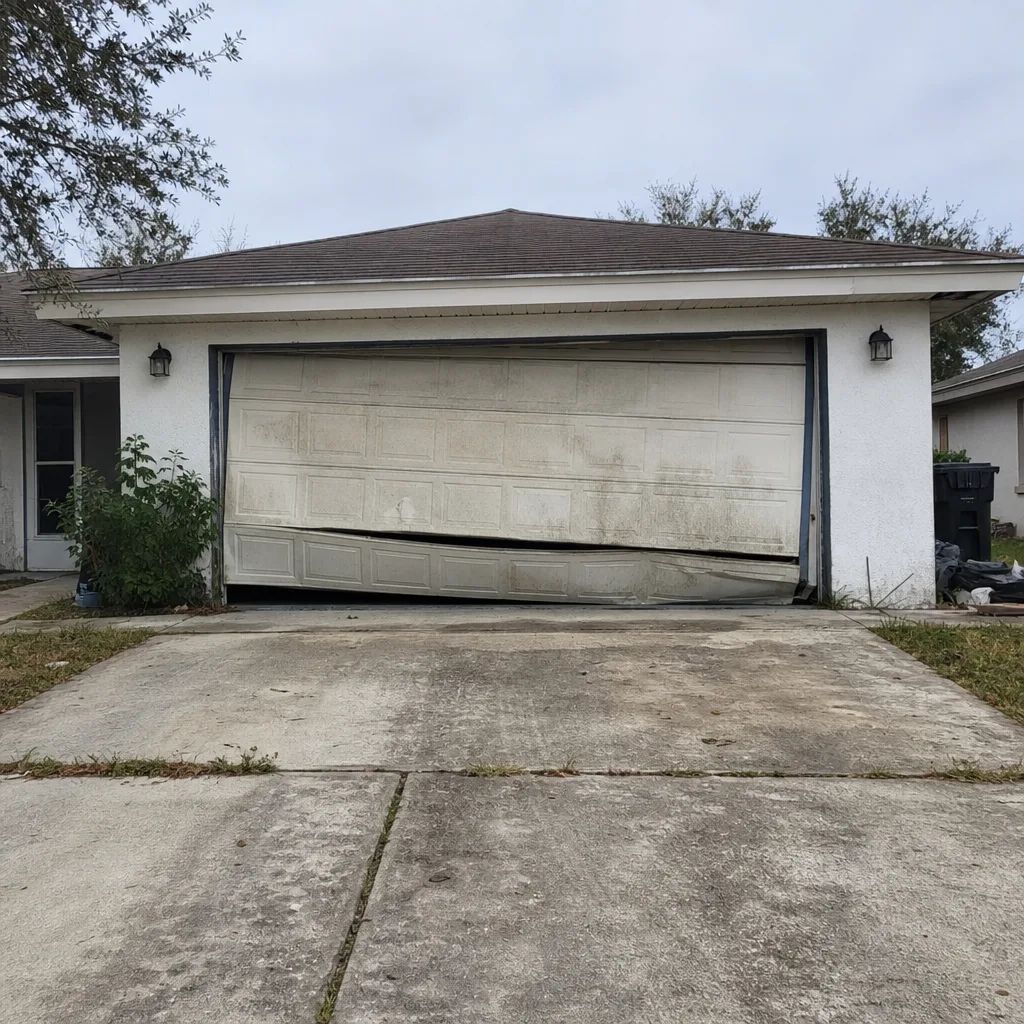 Before
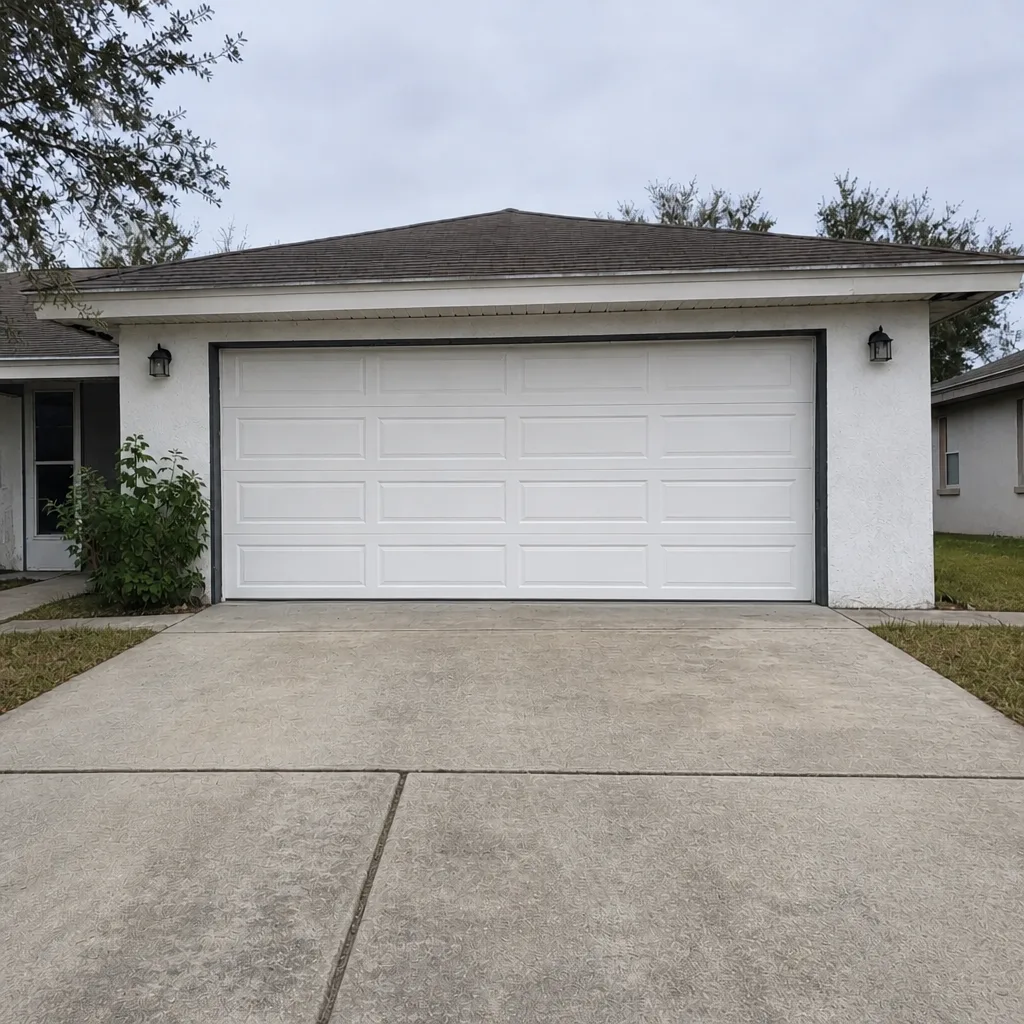 After
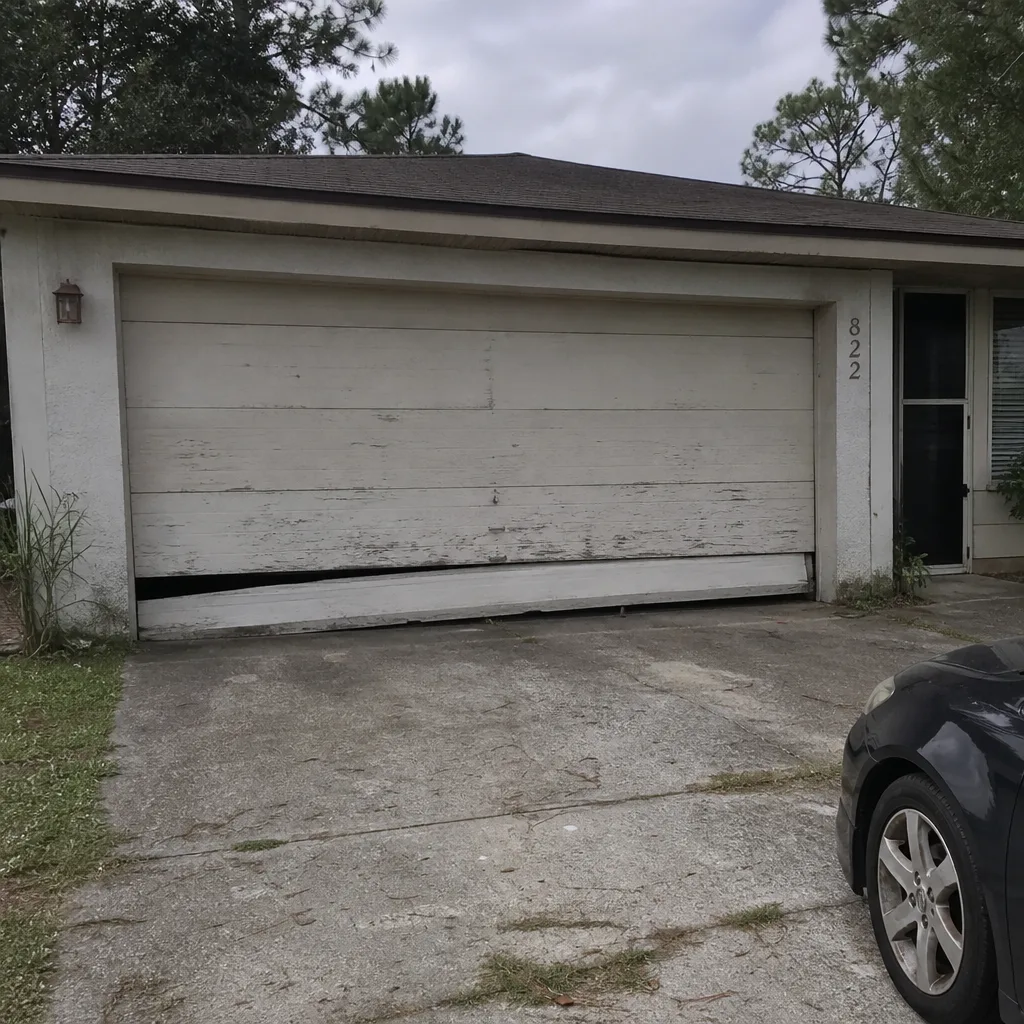 Before
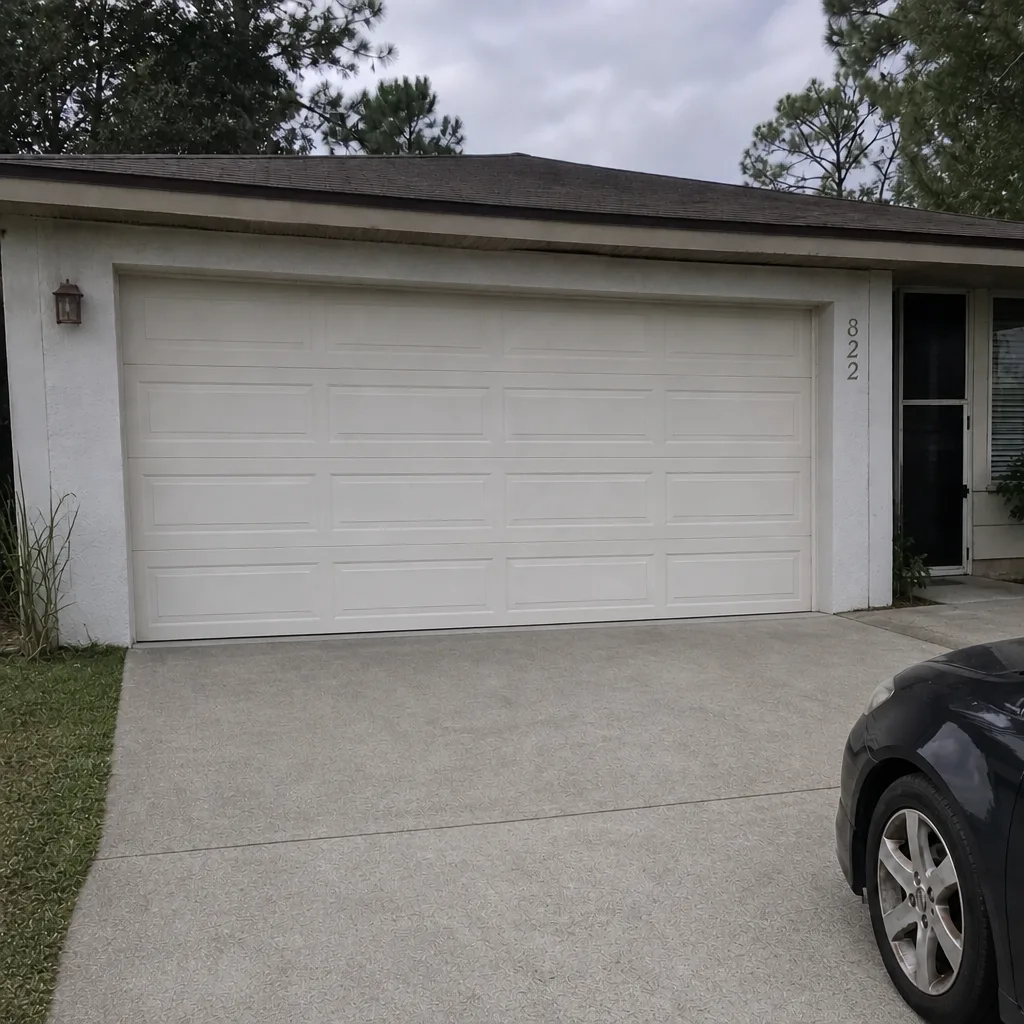 After
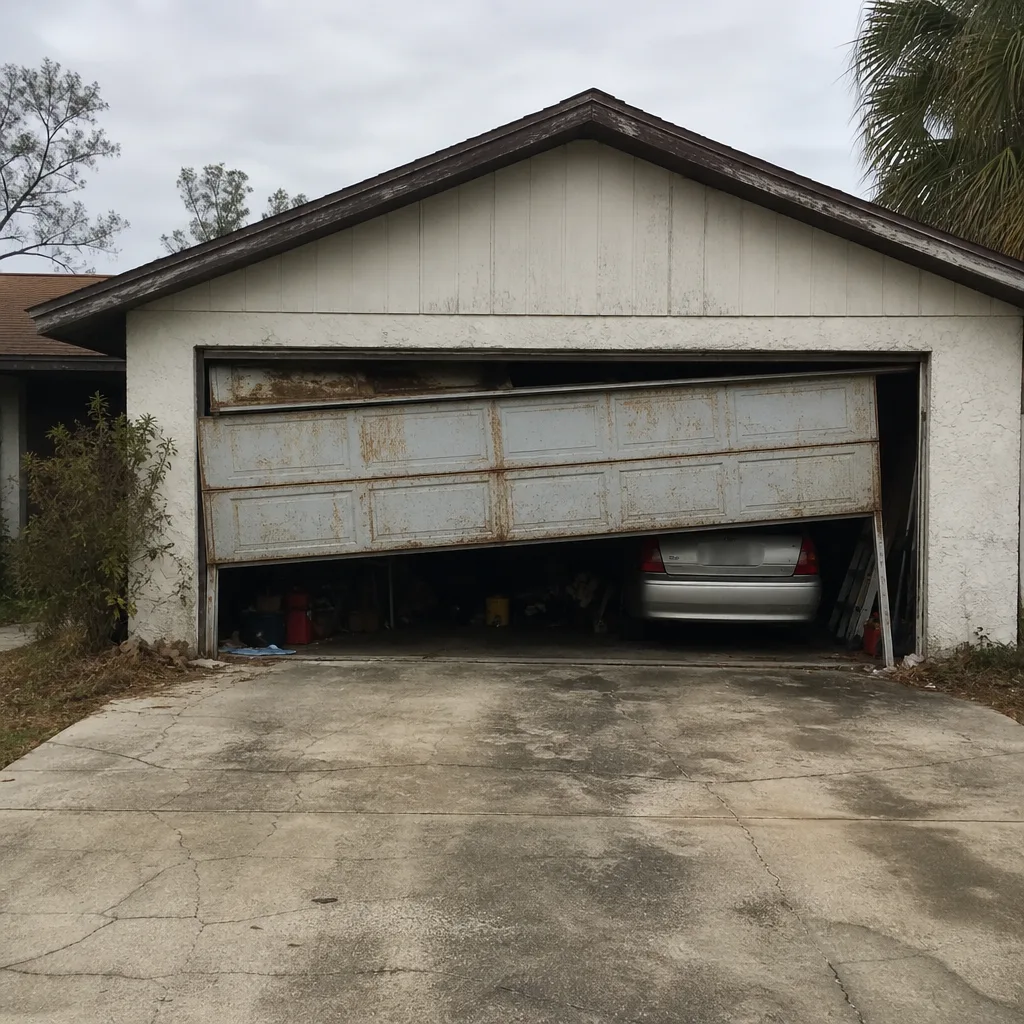 Before
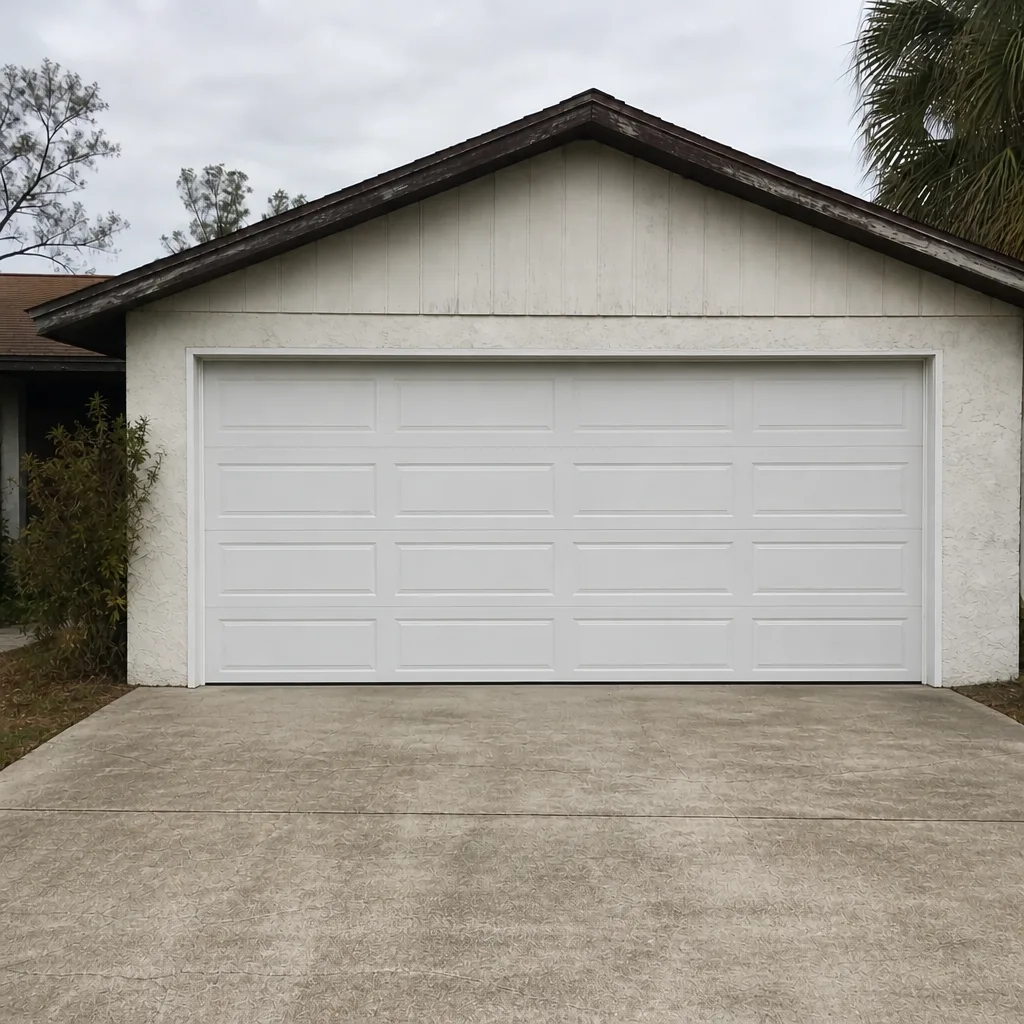 After
When to Call a Professional
Some problems can wait a day. Others can’t, and knowing the difference keeps you and your car safe. Call a professional immediately if a spring has snapped or the door is hanging unevenly, if the door has come off its tracks or won’t close all the way, if the opener runs but the door doesn’t move, or if the door is stuck open and leaves your home exposed. Those are the situations where forcing the door or guessing at a fix can make things worse or cause injury, and where a specialist needs to be the one working. Our technicians have up to 15 years of experience across the major brands, so they diagnose the exact system rather than patching it. Lehigh Acres Garage Door Repair Pros offers free estimates in Lehigh Acres. Call (877) 492-2397. We answer 24/7, with fast dispatch from 7am to 7pm, Sunday through Friday.
Frequently Asked Questions
A specialist does garage door work as the entire business, not as an add-on between other jobs. Ask what they do all day and whether they offer spring repair and opener repair as named services. If they list doors among twenty other trades, or get vague about spring work, they’re a generalist. For anything technical, and especially for spring work, a specialist is the right call. Call (877) 492-2397 for an exact quote. Estimates are free.
Florida doesn’t issue a single garage-door-specific license, so garage door work falls under general or specialty contractor categories regulated at the state or county level. The license a contractor holds may not cover the exact work, so ask which license they carry and what category it falls under, then confirm it. Ask your city’s building department whether a permit or specific license class applies to your job. Call (877) 492-2397 for an exact quote. Estimates are free.
A proper written quote itemizes every part and labor line by brand and model, names the licensed entity, defines the exact scope, states the total price and payment terms, and spells out warranty and workmanship terms. Any change to scope should require your written approval. Read it before you sign and have anything vague rewritten. The written estimate sets the final price, and the price is agreed before any work starts. Call (877) 492-2397 for an exact quote. Estimates are free.
Cost depends on the specific problem, the door’s make and model, and the parts involved, so any honest number starts with a diagnosis. Springs, openers, tracks, and panels all price differently, and a broken spring is a different job from an opener problem. The written estimate gives you the real figure before work begins. If a contractor can’t or won’t produce a written, itemized quote, keep calling. Call (877) 492-2397 for an exact quote. Estimates are free.
No, if you hired correctly. The written estimate is agreed before any work starts, and that price sets the final bill. If something unexpected is found, you should get a new scope in writing and approve it before any extra work happens. A grown-invoice surprise means the original quote was either incomplete or deliberately vague, which is exactly why the itemized written quote matters. Call (877) 492-2397 for an exact quote. Estimates are free.
Yes, same-day repair is often possible for garage door emergencies like a snapped spring, a door off its tracks, or an opener failure that traps your car. Our emergency service is built for the moments that can’t wait. Call (877) 492-2397. We answer 24/7, with fast dispatch from 7am to 7pm, Sunday through Friday. A call outside dispatch hours is booked into the next opening. Estimates are free.
The Bottom Line
Hiring a garage door contractor in Lehigh Acres comes down to filtering fast and asking specific questions. Verify the license and insurance, confirm the company actually specializes in garage doors rather than treating the work as an add-on, and get an itemized written quote that names the parts and the scope before anyone touches a spring. Watch for post-storm pressure tactics, out-of-state crews, and generic substitute parts that affect your warranty. A specialist who works the major brands every day, handles spring work deliberately, and offers full-cycle service from emergency repair through installation is worth the extra call. Start with the five questions. The wrong contractor reveals himself before the first screw turns. For the right one, call (877) 492-2397 for a free estimate. We answer 24/7, with fast dispatch from 7am to 7pm, Sunday through Friday. Your garage door is all we do, and we do all of it.
Written by the team at Lehigh Acres Garage Door Repair Pros.