
Last updated November 21, 2026
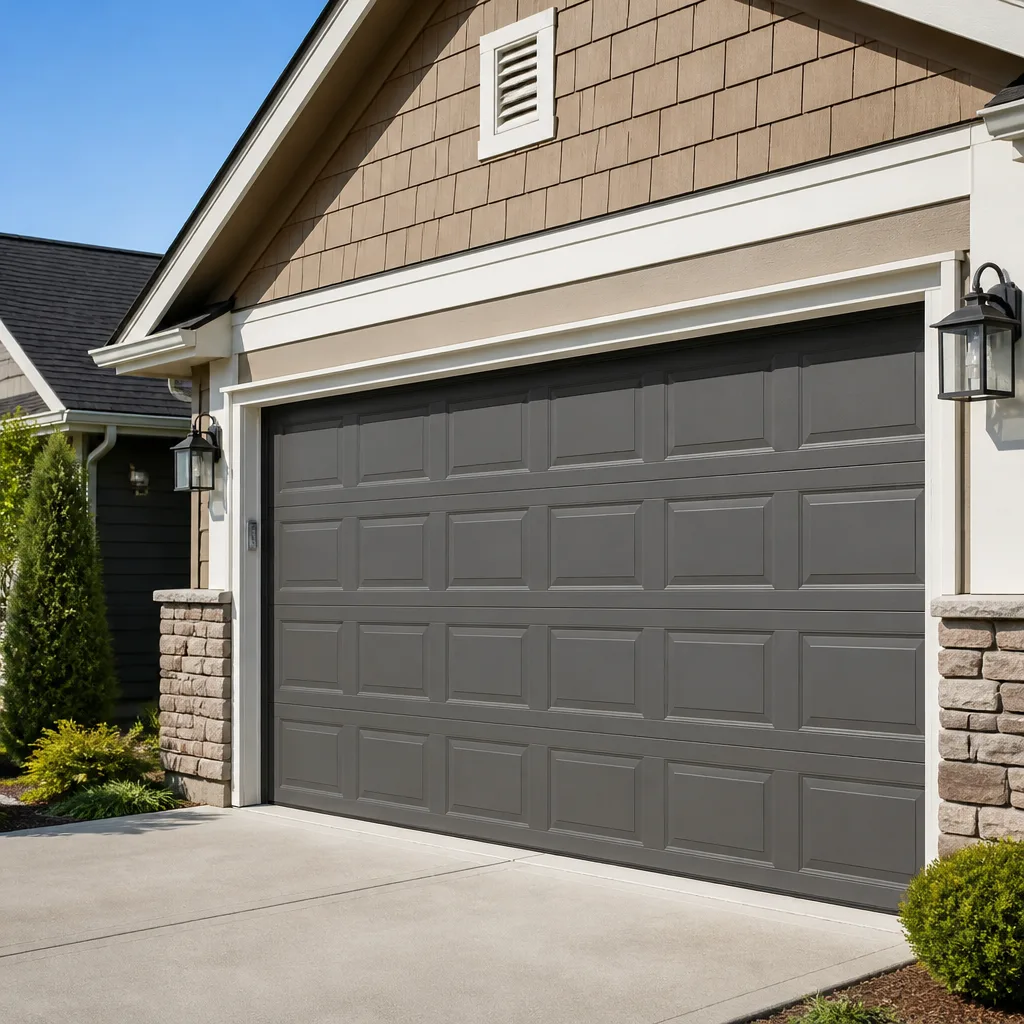 Raised-panel steel
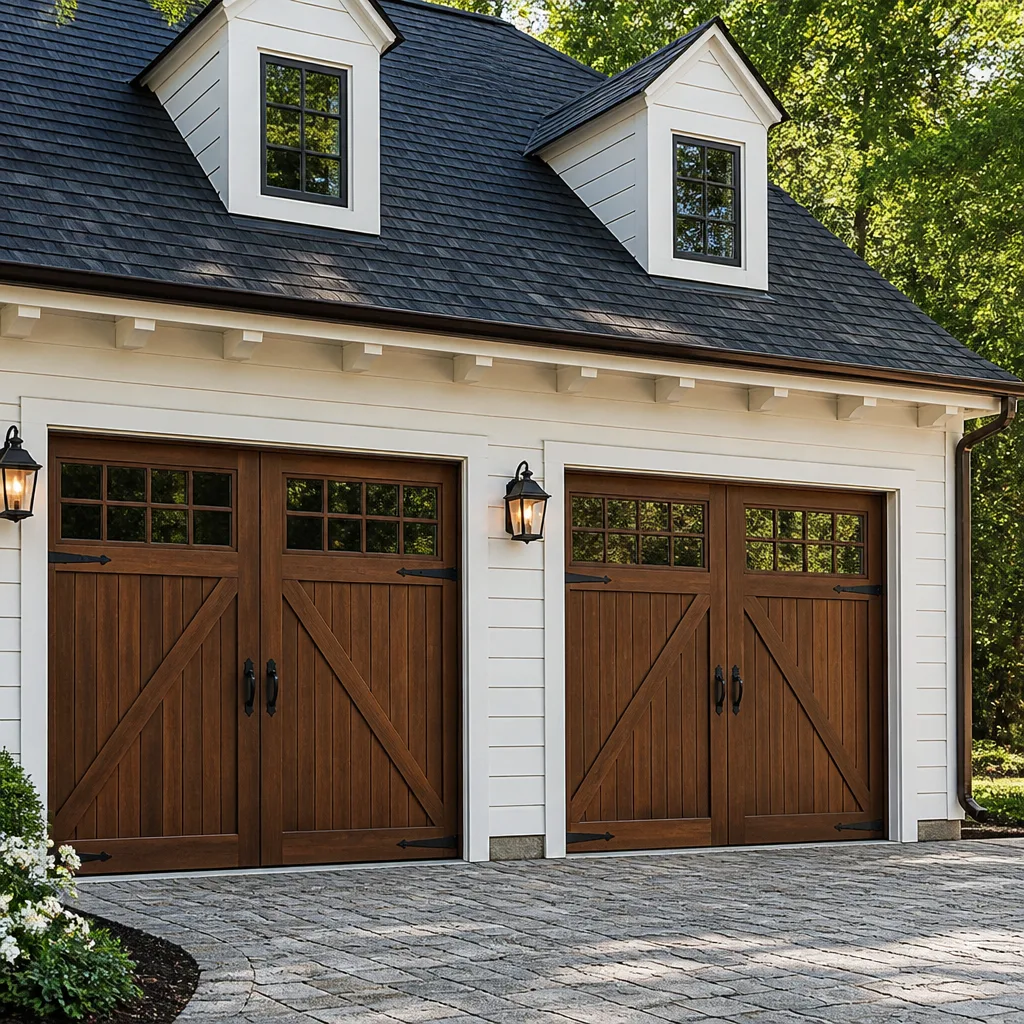 Carriage house
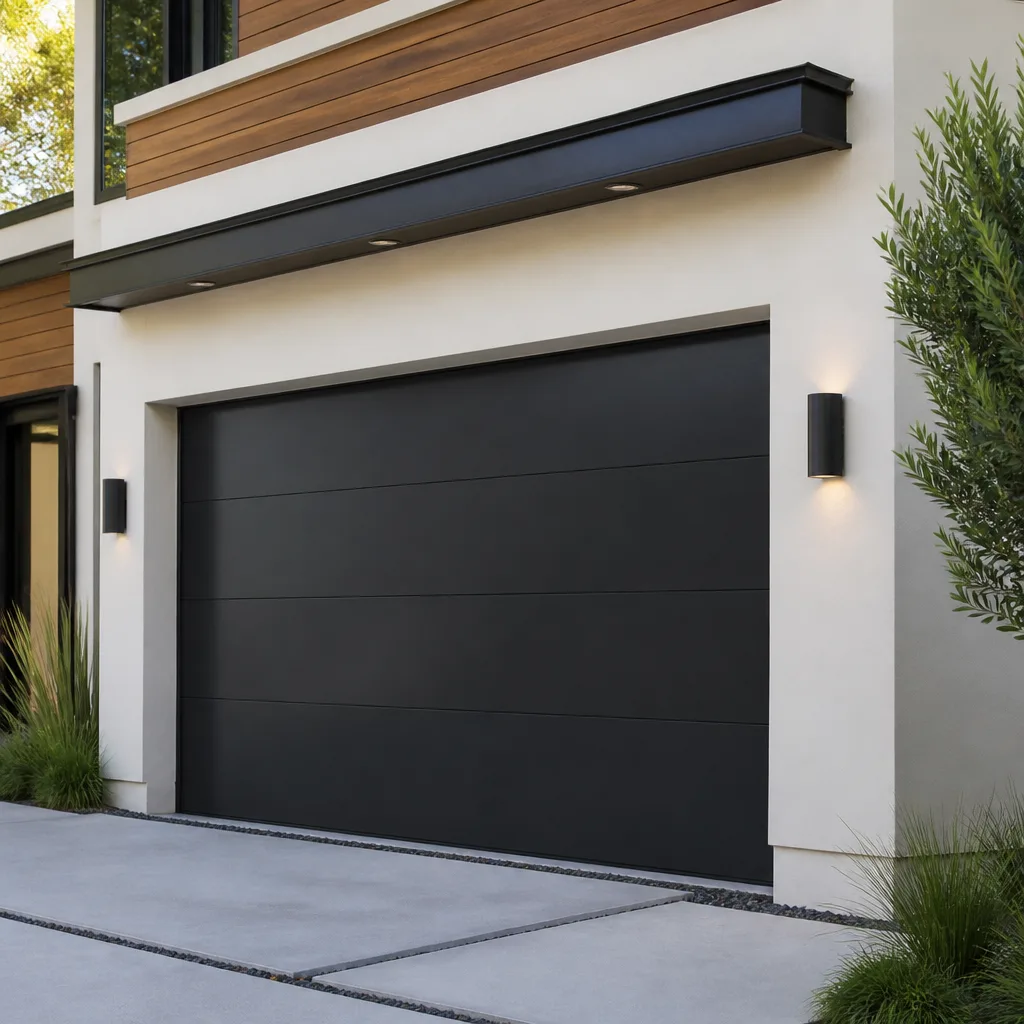 Modern flush
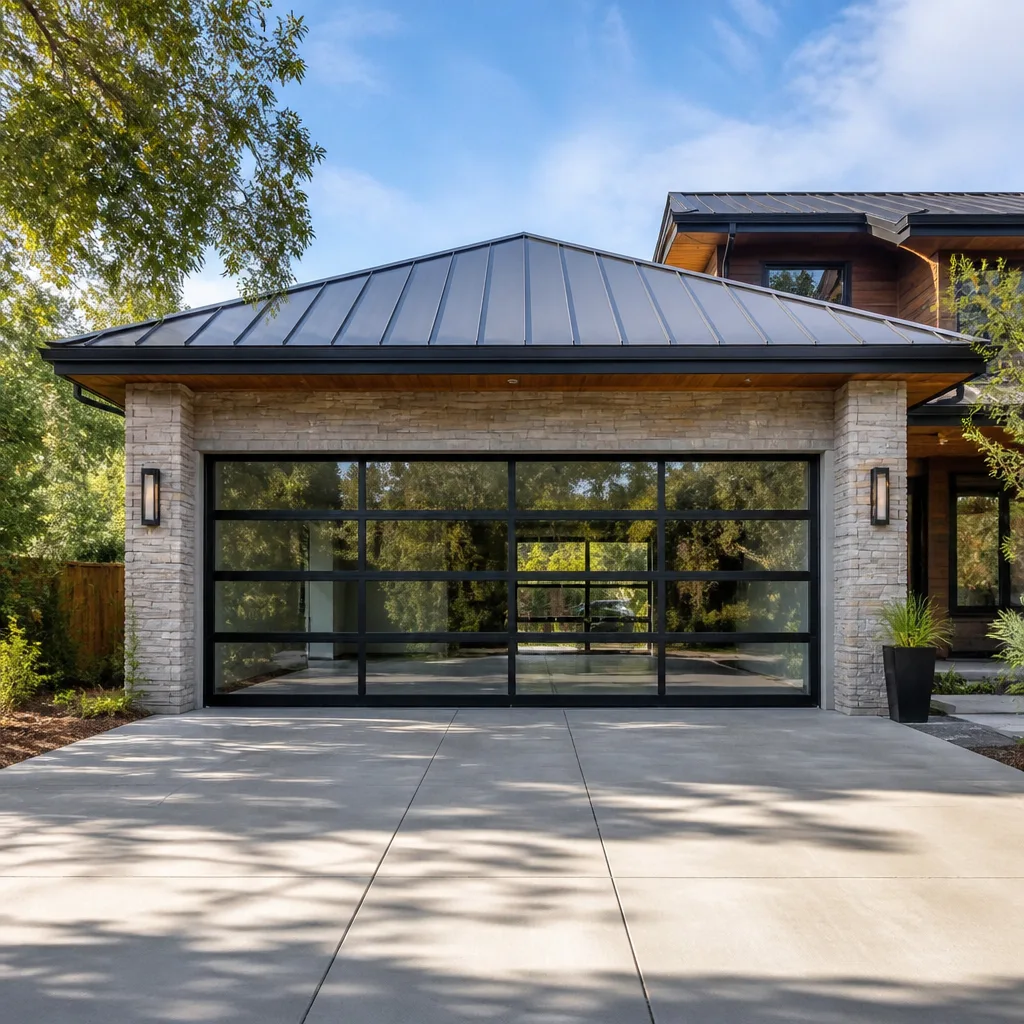 Full-view glass
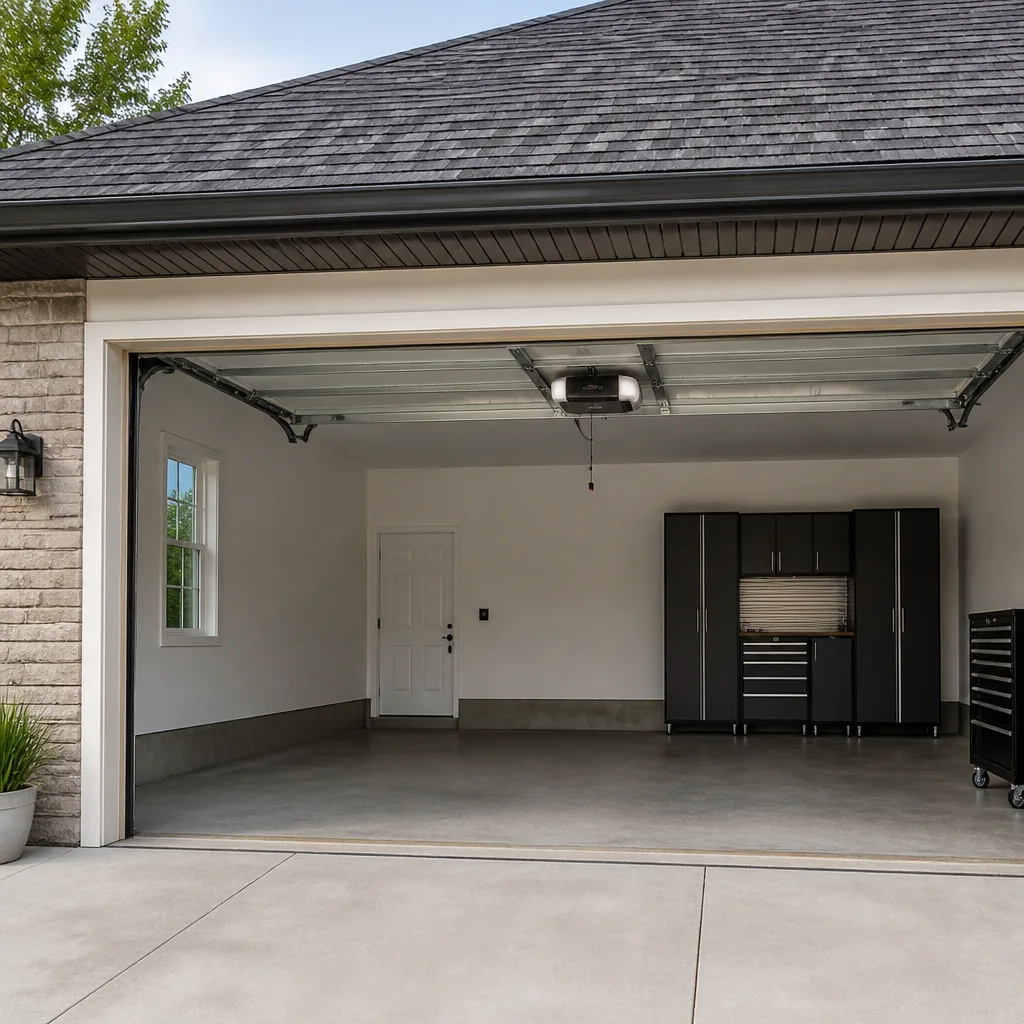 LiftMaster openers
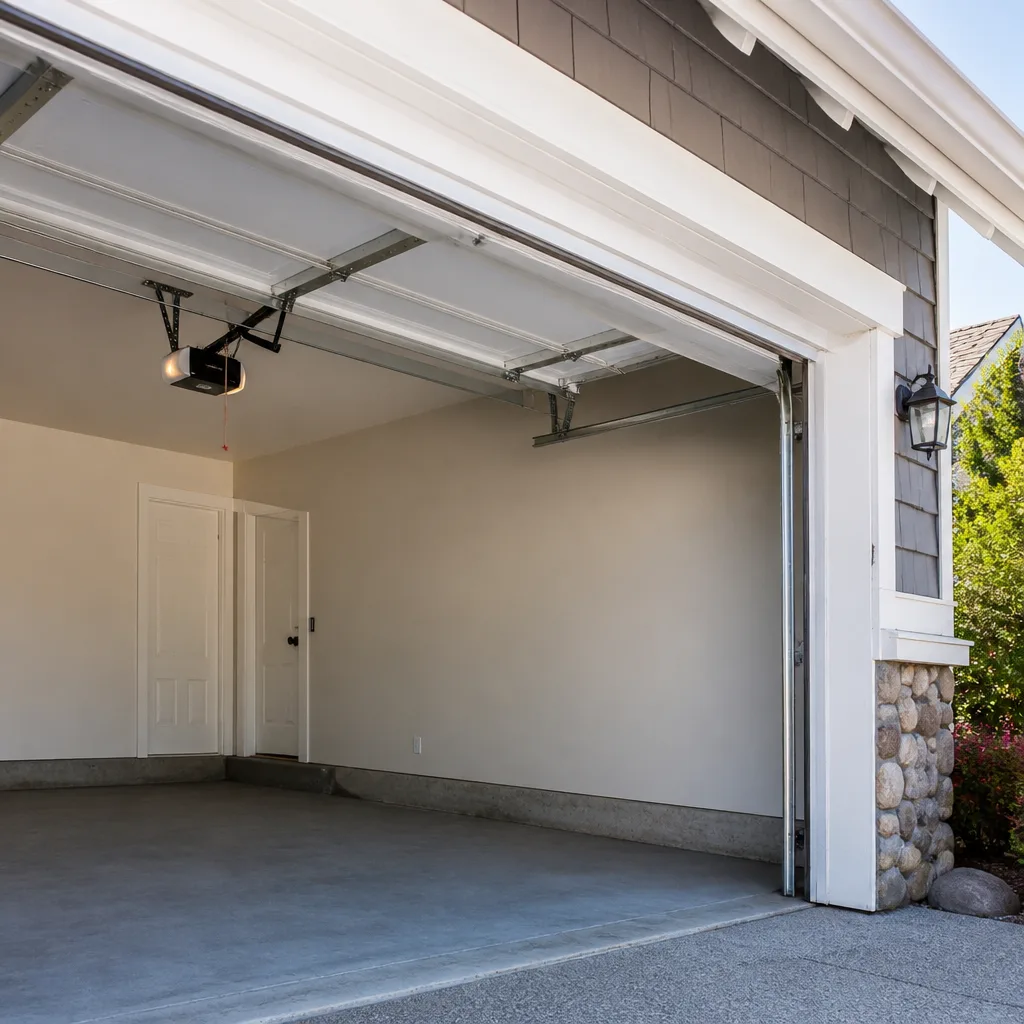 Chamberlain openers
Full 25-point door and opener safety check with every visit - springs, cables, rollers, tracks, and your LiftMaster or Chamberlain opener included
You get a price before we start. It does not change when the pro arrives.
Get your free estimateThe Complete Guide to Garage Doors in Lehigh Acres
Most garage door guides are written for climates that see four seasons. Lehigh Acres gets one – and it’s relentless on hardware, finishes, and weather seals. The humidity sits high through most of the year, summer storms roll through with real wind behind them, and a garage in an attached Florida home quietly does more work than the same garage in Ohio ever would. That changes everything about which door you should buy, which opener survives past year three, and why the paint on a cheap hinge gives up years before the panel does. This guide filters every decision through what actually holds up in Lehigh Acres, from steel gauge and coating to wind load requirements and spring repair. Read on and you’ll know what to look for.
Styles & brands we work with
- Raised-panel steel
- Carriage house
- Modern flush
- Full-view glass
- LiftMaster openers
- Chamberlain openers
Quick Answer
For a garage door in Lehigh Acres, the priorities are different from a cold-climate market. Put steel gauge and finish coating ahead of style, choose a sealed or insulated door rated for wind load rather than for winter warmth, match the opener to heat cycling rather than cold performance, and treat springs and hinges as consumables that need inspection. A properly specified door for this climate is a 24 to 26 gauge steel door with a factory-applied finish, a reinforced track system rated for the wind zone, and hardware that resists corrosion. Get those right and the door will outlast a cheaper, prettier one by years.
Table of Contents
- Why Lehigh Acres Is Hard on a Garage Door
- Steel Gauge and Finish Coating: Why They Beat Style and Color
- Matching Insulation R-Value to an Attached Florida Garage
- Which Opener Drive Types Survive Lehigh Acres Heat Cycling
- Lee County Wind Load Requirements and What They Rule Out
- How Long Hardware Lasts: Galvanized vs. Powder-Coated vs. Aluminum
- Springs, Cables, and the Repair You Should Never DIY
- Repair or Replace? How to Decide
- Common Mistakes to Avoid
- When to Call a Professional
- Frequently Asked Questions
- The Bottom Line
Why Lehigh Acres Is Hard on a Garage Door
Start with the truth about this place: none of the old familiar garagedoor enemies apply in full. You don’t get months of below-freezing temperatures that crack seals and freeze grease. You don’t get road salt caked on the bottom panel. What you get instead is sustained heat, near-constant humidity in the warm months, driving rain that finds its way into seals and tracks, and the occasional strong storm line that puts real pressure on a door. That combination attacks a garage door differently.
Heat does the slow damage. An uninsulated steel door baking all day and then cooling overnight – thousands of cycles over a year – flexes the panels and works the fasteners loose. Humidity goes after the hardware: hinges, rollers, screws, and the bottom seal, which is where door failures so often start in this part of Southwest Florida. Any place where two metal parts meet and moisture can sit is a corrosion point.
Then there’s the fact that garages in Lehigh Acres are almost always on houses that run an air conditioner year-round. Attached garages share a wall with living space, and that wall is a heat source. A garage door with no insulation and no seal lets hot, humid air sit right against the shared wall for hours a day. That’s not a comfort problem in the garage alone – it’s an AC load problem for the house. This is why we treat insulation and weather sealing as serious buying decisions here, not upsells.
If you want the short version: Lehigh Acres garage door advice that came from a cold-climate market is missing the point. The hazards here are heat, moisture, and wind, and the door you choose should answer all three.
Steel Gauge and Finish Coating: Why They Beat Style and Color
Most buyers walk in wanting a look – long panels, short panels, a carriage-house style, a certain color. The look matters, but in Lehigh Acres the number that matters more is the gauge. Gauge is the thickness of the steel: a lower number is thicker. A 24 gauge steel garage door is meaningfully heavier and more resistant to denting, flexing, and panel distortion than a 27 or 28 gauge door. Cheaper doors use thinner steel because it costs less, and in a humid, heat-cycling climate that thinner steel is more likely to oilcan, bow, and lose its seal alignment over time.
Finish coating is the second decision that most buyers skip. In this climate, the surface coating is the door’s first line of defense, and there are real differences:
- Factory-applied baked-on finishes bond to the steel and resist moisture far better than a door that’s painted or primed in a shop or at home. Look for a factory finish, not a field-painted one.
- Three-coat systems – a base primer, a color coat, and a clear top layer – hold up better against UV fading and humidity than a single-coat product.
- Paint over bare steel – at seams, cut edges, and the bottom lip of the door – is where rust begins first. Sealed cut edges and a factory finish on all surfaces matter more than the topcoat you see.
One practical note: a darker color absorbs more heat and runs hotter where the sun hits it. That doesn’t rule out dark colors in Lehigh Acres, but heavy heat on a thin gauge panel is the worst combo. If you want a dark door, buy up in gauge and coating quality.
We’ve seen plenty of doors fail in this climate not because the owner chose the wrong style, but because the door was a thin-gauge, single-coat product. If you’re replacing rather than repairing, spend the extra on steel and finish before you spend it on decorative trim. When a door is beyond saving, our garage door installation advice starts with that conversation.
Matching Insulation R-Value to an Attached Florida Garage
Here’s a point that most garage door content gets backwards for Florida. In cold climates, door insulation is about keeping warmth in the garage and stopping drafts from freezing the space. Here, insulation is about heat control – keeping oven-like air out of the garage and off the common wall it shares with the house. The number that describes that is the R-value, which measures resistance to heat flow. Higher R-value means more resistance to a hot exterior pushing heat into a cooler space.
An attached Lehigh Acres garage sits against living space that’s air-conditioned all year. When you insulate the door, you put a barrier between the hot, humid outside and the cooler, drier inside – and you ease the AC load in the house behind that shared wall. You don’t need the very highest R-value on the market, but a bare, uninsulated pan door is the worst case in a home that runs AC every month. That’s the real decision.
A practical way to choose:
- Look at the door type first. Insulated sandwich doors carry a real R-value and a seal along the edges, which is what makes insulation actually do anything.
- Ask whether the door is attached to conditioned space. If yes, insulation is worth the money in a Lehigh Acres home. If it’s a detached, unconditioned structure, the value is lower.
- Watch the seal, not just the panel. An insulated door with a worn bottom seal and gaps at the top lets humid air in around the edges. Insulation without sealing is half the job.
- Balance insulation against wind rating. A heavier insulated door needs a stronger track and spring system. The two need to be specified together, not bolted on separately.
For most attached Lehigh Acres garages, a well-sealed insulated door is a sensible investment. It doesn’t need the highest R-value sold; it needs a decent R-value and a tight seal, because the hot humid air is what’s getting in through the gaps.
Which Opener Drive Types Survive Lehigh Acres Heat Cycling
The opener is where heat cycling bites hardest. A garage in Lehigh Acres can spend much of the year warm to hot, cycling up and down with the sun. That thermal cycling affects the opener’s motor bearings, the drive mechanism, and the casing joints. It’s not a cold-weather problem here; it’s a heat-and-humidity endurance problem – and some drive types handle it better than others.
The three drive types behave differently in this climate:
- Belt drive: Quiet and smooth. The belt isn’t metal, so it doesn’t rust, but it can stretch with years of heat and needs checking and occasional tightening. Good for attached garages where noise matters.
- Chain drive: Metal-on-metal and durable for the push-pull. It stays solid through a lot of cycles and holds up well. It’s noisier, and in humid conditions the chain and sprocket are the spots to keep lubricated.
- Screw drive: The screw mechanism moves metal against itself constantly, and in a hot, humid environment regular lubrication is critical. Neglect it and wear accelerates. It can work well, but it demands a maintenance habit.
Whichever drive you pick, brand familiarity matters. An opener from LiftMaster or Chamberlain is built on a platform our technicians know well, so we diagnose the actual model and its known failure points rather than guessing. A Craftsman opener from an older home is often still serviceable, but parts and drive-gear compatibility are worth checking before a repair decision. The rule of thumb in this climate: the drive that holds up best is the one sized correctly for the door’s weight. An undersized motor works harder, runs hotter, and fails faster than its rating suggests.
Opener problems aren’t always the motor. A door that won’t open, reverses immediately, or stops halfway can be a spring, a sensor, or a disconnect – not the opener itself. Our garage door opener repair pros diagnose the whole door before replacing a working motor.
Lee County Wind Load Requirements and What They Rule Out
Lee County’s building code takes wind load seriously, and for good reason. A garage door is a large, lightweight, moving panel on the most wind-exposed face of most homes. When strong wind hits a door that isn’t rated and reinforced for it, the pressure can bow the panels, tear the track away, or push the door in. Wind load requirements exist to keep that from happening. If you’re installing or replacing a door in Lehigh Acres, you should expect the permit process to consider the door’s wind rating, and you should ask the county building department what your property requires before you buy.
This is where wind load requirements eliminate certain things outright. A lightweight, unrated door with standard track isn’t the same product as a door engineered for a wind zone with reinforced struts, heavier gauge, and stronger anchors. In practical terms, the requirements push you toward:
- A door with a documented design pressure rating that meets what the county requires for your home.
- Reinforced track and heavier gauge steel, because the load has to go somewhere and the track and hinges carry it.
- Proper anchoring into the structure, which is a big part of why installation isn’t a weekend project.
- The right spring and reinforcement system for the added weight, so the door can still be opened without strain.
The takeaway is simple: don’t pick a door online and assume it will pass. Wind load requirements will rule out a lot of thin, cheap, “looks great in the picture” products, and for good reason. Start with the code, then pick the door. If you’re unsure of your home’s requirements, ask the county before ordering anything; a door that fails inspection is money spent twice.
How Long Hardware Lasts: Galvanized vs. Powder-Coated vs. Aluminum
Hardware – hinges, rollers, screws, brackets, and the track – is where the humid climate quietly does its work. Panels get the attention, but the small parts fail first. In our experience across Lehigh Acres, the difference in lifespan between the common hardware finishes is real and worth knowing before you choose a door or decide what to replace.
- Galvanized steel hardware: Zinc-coated to resist rust. It’s the workhorse choice for hinges and track. It holds up well, but the coating can be scratched during installation, and any exposed cut or scratch is a starting point for corrosion in a humid climate. Touching up those spots matters.
- Powder-coated hardware: A baked-on coating that’s tougher and more uniform than paint, and it resists scratching and moisture better than a bare or painted surface. Powder-coated track and hinges are usually the more durable long-term pick in this climate, though damaged coating still needs attention.
- Aluminum hardware: Doesn’t rust the way steel does, so it’s a strong choice in humid conditions. The trade-off is strength. Aluminum isn’t as rigid, and it can be a poor fit for heavy or wind-rated doors where the hardware needs to carry real load. It’s a good option in the right place and a bad one where you need strength.
The practical lesson: when you replace rollers or hinges, don’t grab the cheapest steel part. Paying a little more for properly coated or aluminum hardware where it makes sense buys years in a climate that finds every uncoated edge.
Springs, Cables, and the Repair You Should Never DIY
We’ll say this plainly, because it matters. Torsion and extension springs, and the cables that run with them, store an enormous amount of energy. A torsion spring carries the weight of the whole door under tension; if it’s released or adjusted incorrectly, it can cause serious injury. This is one of the very few home repairs where the safety-critical step is a hard line. A trained professional should handle spring work, and we treat it as a named specialty for exactly that reason.
What a homeowner can reasonably do is recognize the signs of spring trouble:
- A loud bang from the garage, followed by a door that won’t lift or feels extremely heavy
- A visible gap in a torsion spring coil, or a stretched, sagging extension spring
- The door rises a foot or two and stops, or the opener strains and reverses
- Cables that look slack, kinked, or off their drum
If you see any of those, don’t try to force the door open with the opener and don’t attempt to adjust the spring or cable yourself. A door with a broken spring can come down hard. Call a professional. When it’s a spring job, the work starts with the exact make and door weight, because the replacement spring has to match. Our garage door spring repair team handles torsion and extension work and knows why generalists hand these jobs off. A spring price is per spring, and springs are usually replaced in matched pairs, so a pair costs about twice a single spring. Plan for that: a single spring typically runs a certain range, and the pair roughly doubles it. Spring replacement across the board usually falls in the $180 to $340 range for one spring, with the pair priced accordingly, and the written estimate sets the final number.
Repair or Replace? How to Decide
Homeowners in Lehigh Acres ask us this more than almost anything else: the door is old and a little balky, or it took damage in a storm. Is it worth fixing? There’s no one number that answers it, but there is a clear way to think about it.
Repair makes sense when the door is structurally sound and the issue is a part: a spring, an opener, rollers, a bent track section, a seal. Those are routine jobs and the door keeps its value. Replace a door when the panels themselves are compromised – rusted through, heavily dented, delaminating, or failing to close evenly because the whole door is distorted. In this climate, a door with rust patches along the bottom, seams, or cut edges is usually on borrowed time.
Also weigh the wind load factor. If the door on the house doesn’t meet the county’s current wind requirements, spending on repairs to a door that can’t pass isn’t the best use of the money. Replacing it with a rated, correctly specified door settles both problems at once, and the new door brings a new spring and hardware rated for the job. If the last storm did visible damage, look closely before you assume a repair will do. We’ve put together more detail in our guide to storm damage repair if that’s your situation.
Common Mistakes to Avoid
These come up again and again in Lehigh Acres, and each one costs the homeowner money or safety.
- Choosing color and style before gauge and coating. A pretty thin-gauge door in this humidity is a problem waiting to happen. Decide steel first, then style.
- Buying an uninsulated pan door for an attached, air-conditioned garage. The garage becomes an oven in the summer and the shared wall works the house AC harder. Insulate and seal.
- Skipping the wind rating to save money. A door that doesn’t meet Lee County’s wind load requirements will fail inspection and end up costing twice. Ask the county what your home needs before buying.
- Trying to repair a spring or cable yourself. The stored energy in a spring can seriously injure you. This is the one job to always call in for.
- Ignoring the bottom seal and hinges. These small parts fail first in this climate. Replace a worn seal and rusty hinge now; it’s far cheaper than panel damage later.
- Picking hardware by price alone. Uncoated steel screws and rollers in a humid garage rust fast. Coated or aluminum hardware where it counts buys years.
- Assuming an opener problem is the motor. A door that won’t run is often a spring, sensor, or track issue. Diagnose the whole door before paying for a new opener.
When to Call a Professional
Some garage door issues are a quick look; others are a call for help. Call a professional when the door won’t open or close at all, when you hear the bang of a broken spring, when the door has come off its tracks, or when a panel is bent enough to bind. Call if the opener runs but the door doesn’t move, if the door reverses before closing, or if it’s hanging unevenly. Call after a storm if you see damage anywhere on the door or track. There are also jobs you should never attempt: spring and cable work, and anything involving the high-tension parts. And if you smell burning or see a frayed cord at the opener, stop using it and get it looked at. Lehigh Acres Garage Door Repair Pros offers free estimates in Lehigh Acres – call (877) 492-2397. We answer 24/7, and fast dispatch runs from 7am to 7pm.
Beyond the urgent stuff, call when you’re planning a replacement too. A proper measure and written price come before any new door order, and ours is free. You’ll know what the door, hardware, and installation cost before work starts. For everyday fixes, a garage door repair visit is the right first step, and if the issue turns out to be spring-related, that specialty is already covered.
Frequently Asked Questions
A 24 to 26 gauge steel door with a factory-applied three-coat finish, a reinforced track rated for Lee County wind load, and a sealed insulated panel if the garage is attached to an air-conditioned house. Style and color come second; steel gauge, coating, and wind rating come first. Call (877) 492-2397 for a free estimate.
Lee County’s building code sets wind load requirements, and a garage door is on the most exposed face of the home, so expect the door’s wind rating to be part of the permitting process. Ask the county building department what your property requires before you order a door. A door that isn’t rated can fail inspection and cost you twice. Call (877) 492-2397 for a free estimate built around the right spec.
It depends on the job, and the written estimate is the price. Spring work typically falls in the $180 to $340 range for one spring, with a matched pair about double that. Opener and track repairs are quoted per job after we see the door. Call (877) 492-2397. Estimates are free, and the price is agreed before any work starts.
Yes, in most cases. An attached Lehigh Acres garage shares a wall with air-conditioned living space, and an uninsulated pan door lets hot, humid air sit against that wall all day. A well-sealed insulated door eases the AC load on the house. The seal matters as much as the R-value. Call (877) 492-2397 for a free estimate.
No. Torsion and extension springs store enormous energy, and a spring that releases or is adjusted wrong can cause serious injury. A broken spring, a gap in the coil, or a door that feels extremely heavy all mean stop and call a professional. Call (877) 492-2397. We answer 24/7, with fast dispatch from 7am to 7pm.
We work on the major residential brands, including LiftMaster, Chamberlain, Genie, Clopay, Amarr, Wayne Dalton, Craftsman, and Raynor. That matters because we diagnose the actual make and model instead of guessing, and match the repair to the exact system. Our technicians have up to 15 years of experience. Call (877) 492-2397 for a free estimate.
The Bottom Line
In Lehigh Acres, the right garage door isn’t the prettiest one – it’s the one that answers heat, humidity, and wind. Prioritize steel gauge and a factory finish over style. Insulate and seal an attached garage to take pressure off the house AC. Choose an opener drive that suits the door weight and stands up to heat cycling. Meet Lee County’s wind load requirement from the start, and choose coated or aluminum hardware where corrosion does the most damage. Keep springs and cables on a professional’s list, never your own. Get those decisions right and your door will last. When you need help deciding or a repair done, single-trade specialists make the call easy. For a free estimate, call (877) 492-2397 – we answer 24/7 and offer fast dispatch from 7am to 7pm, with a written price before any work starts.
For the full range of services our Lehigh Acres team handles, see Lehigh Acres Garage Door Repair Pros.
Written by the team at Lehigh Acres Garage Door Repair Pros.
See the difference
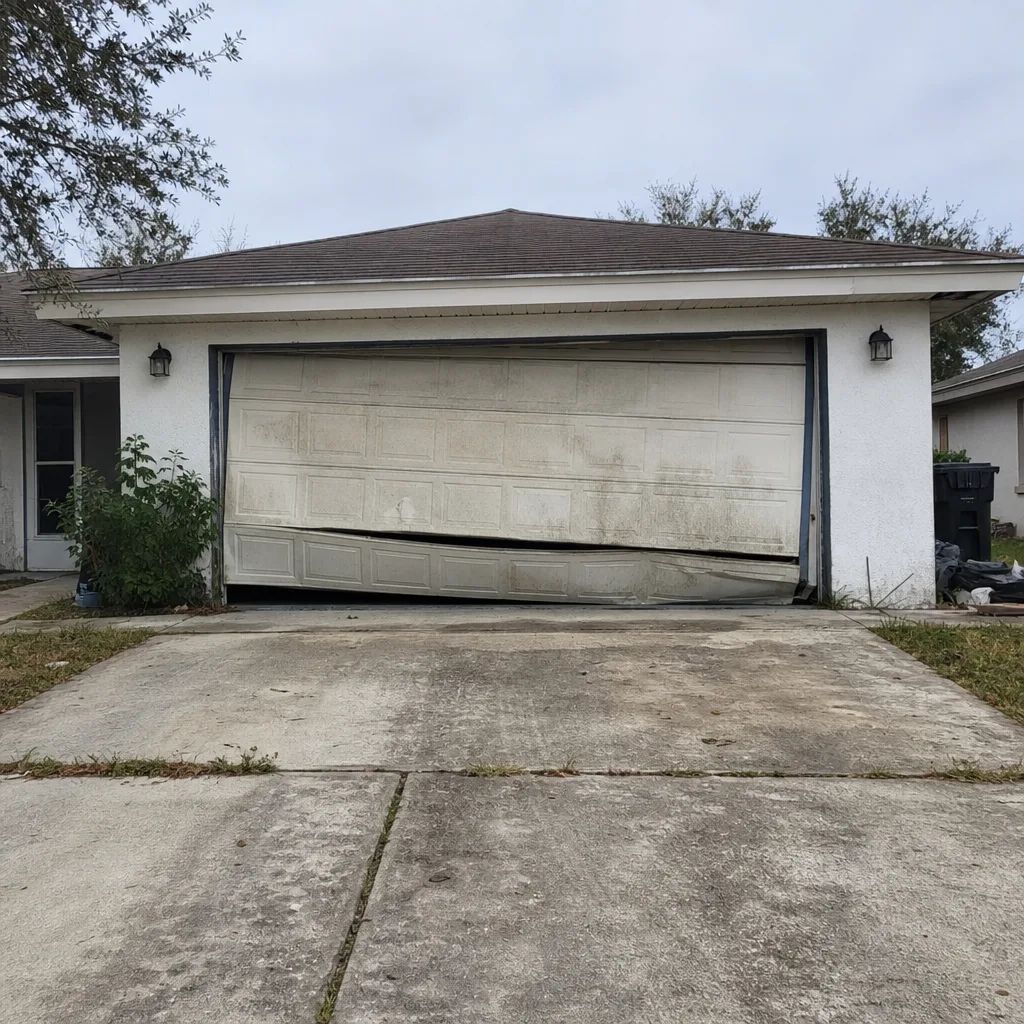 Before
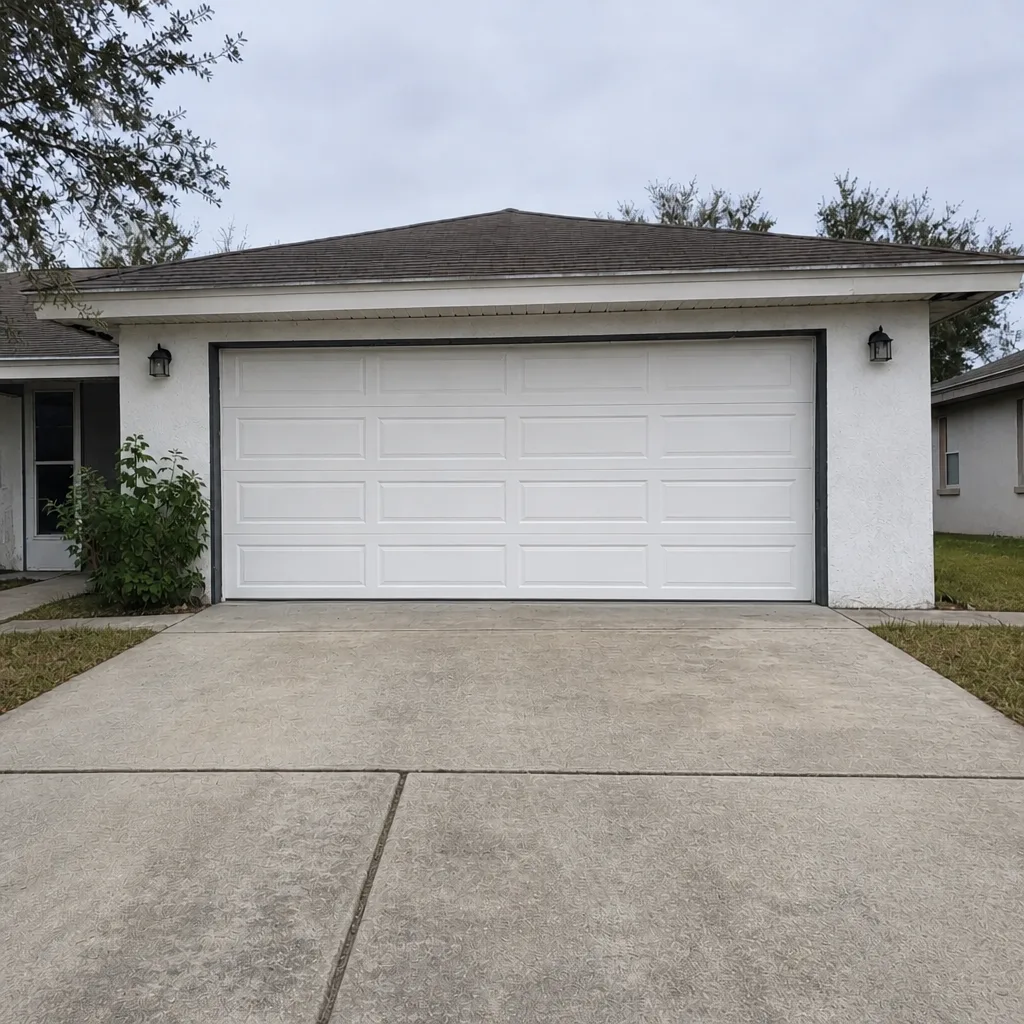 After
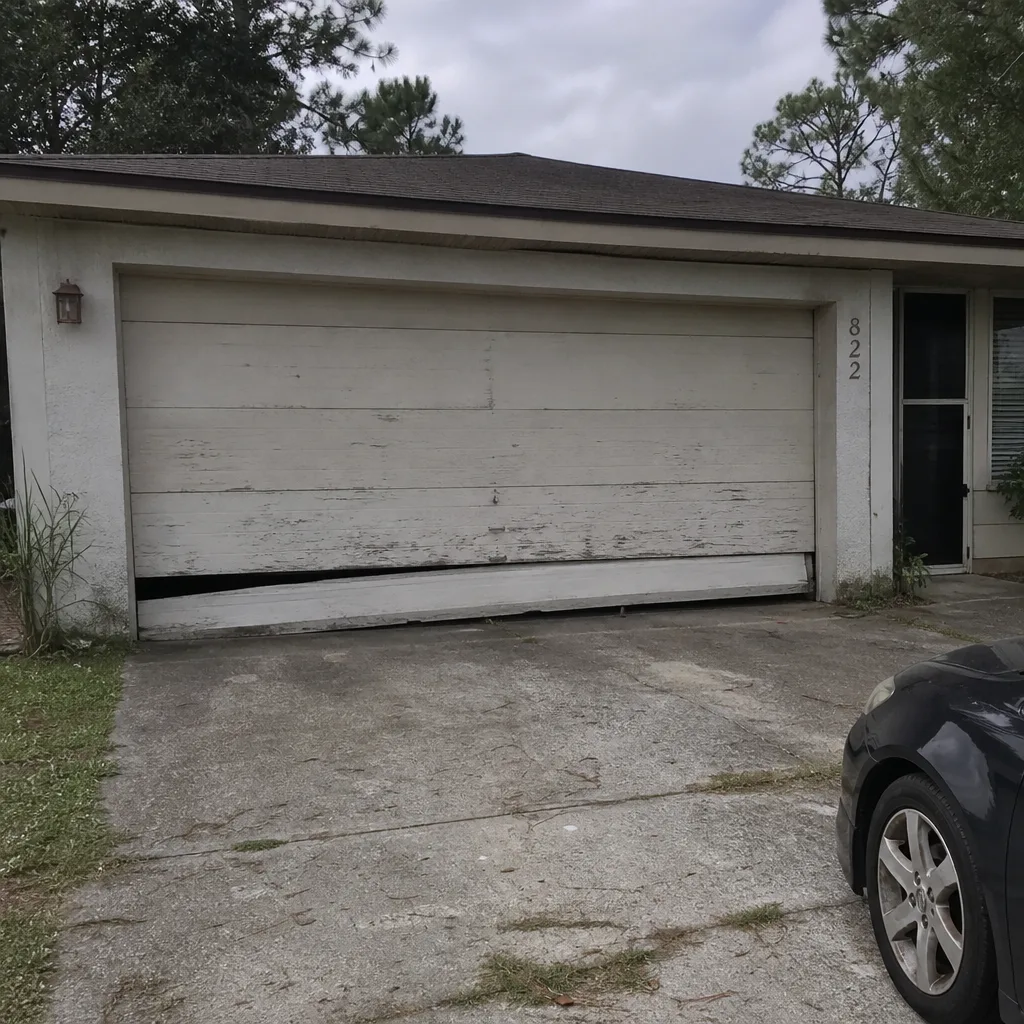 Before
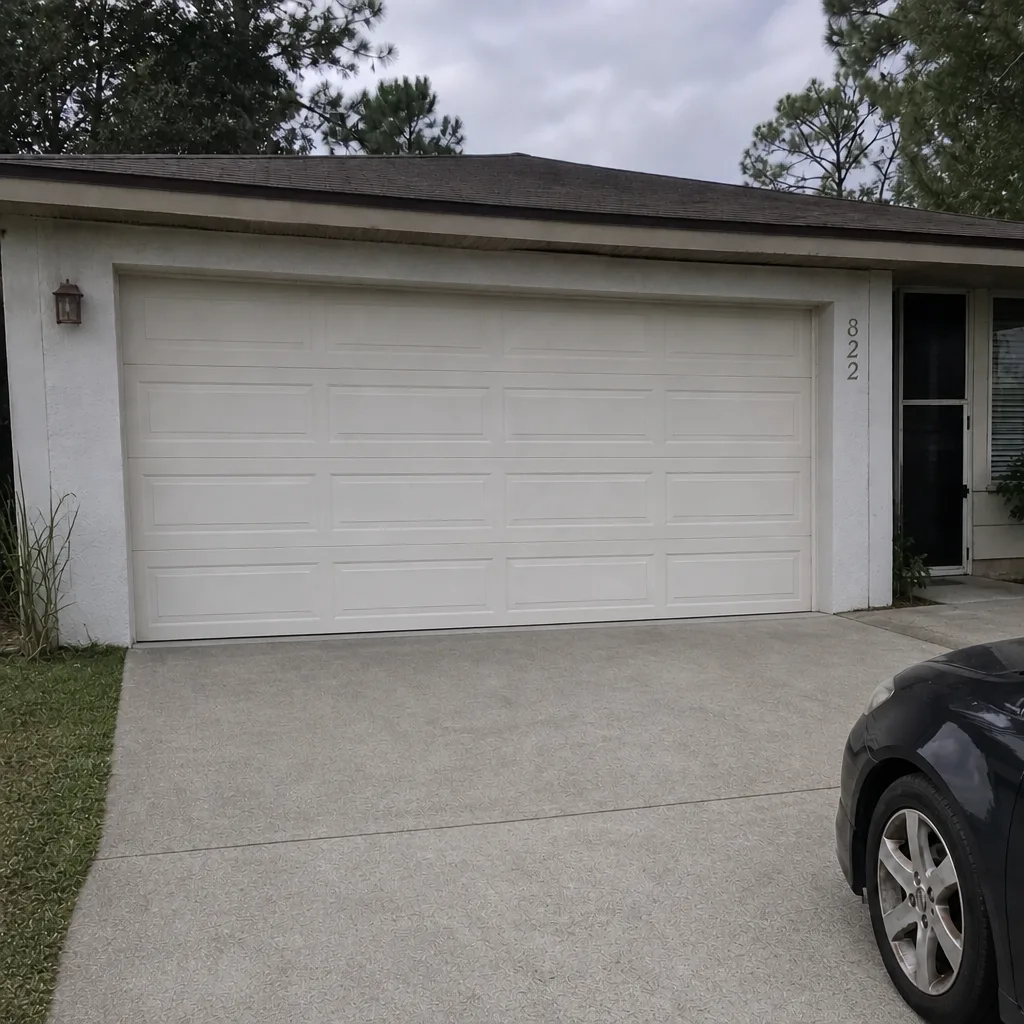 After
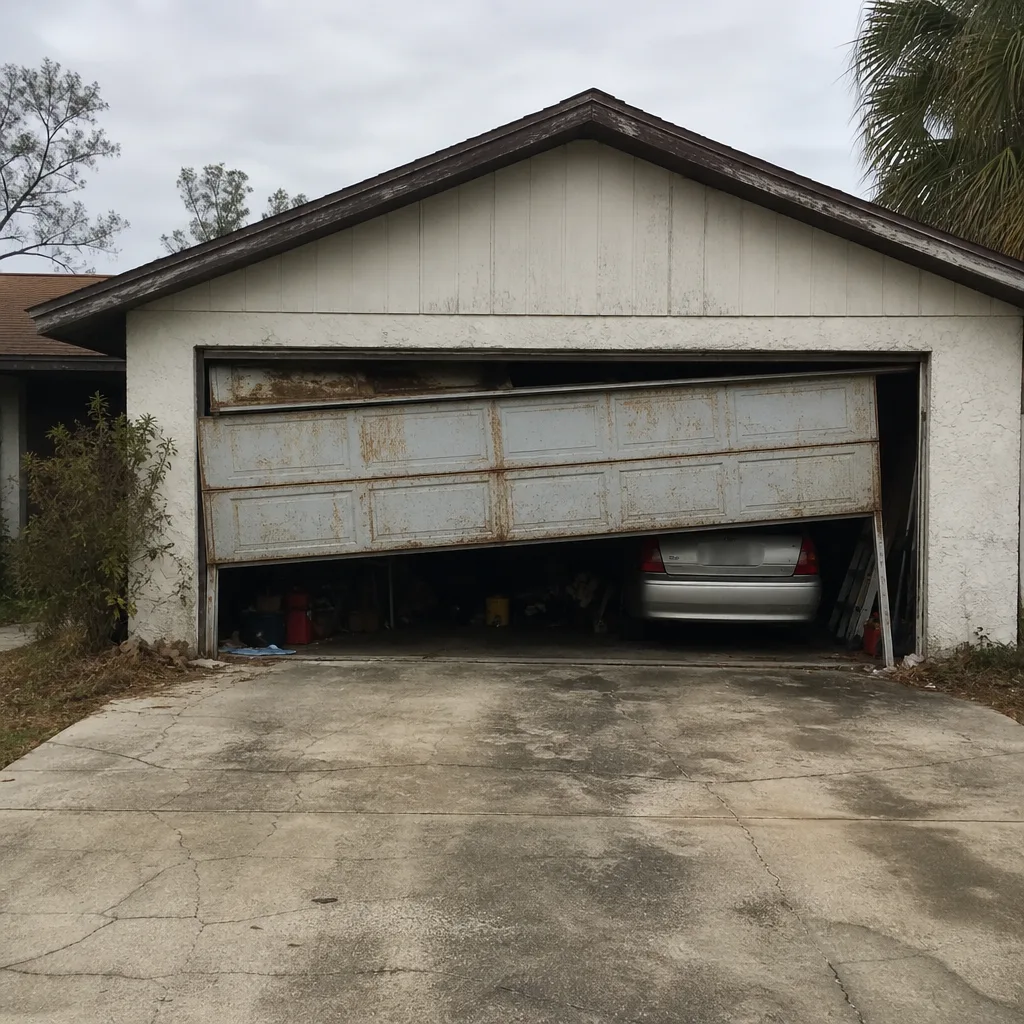 Before
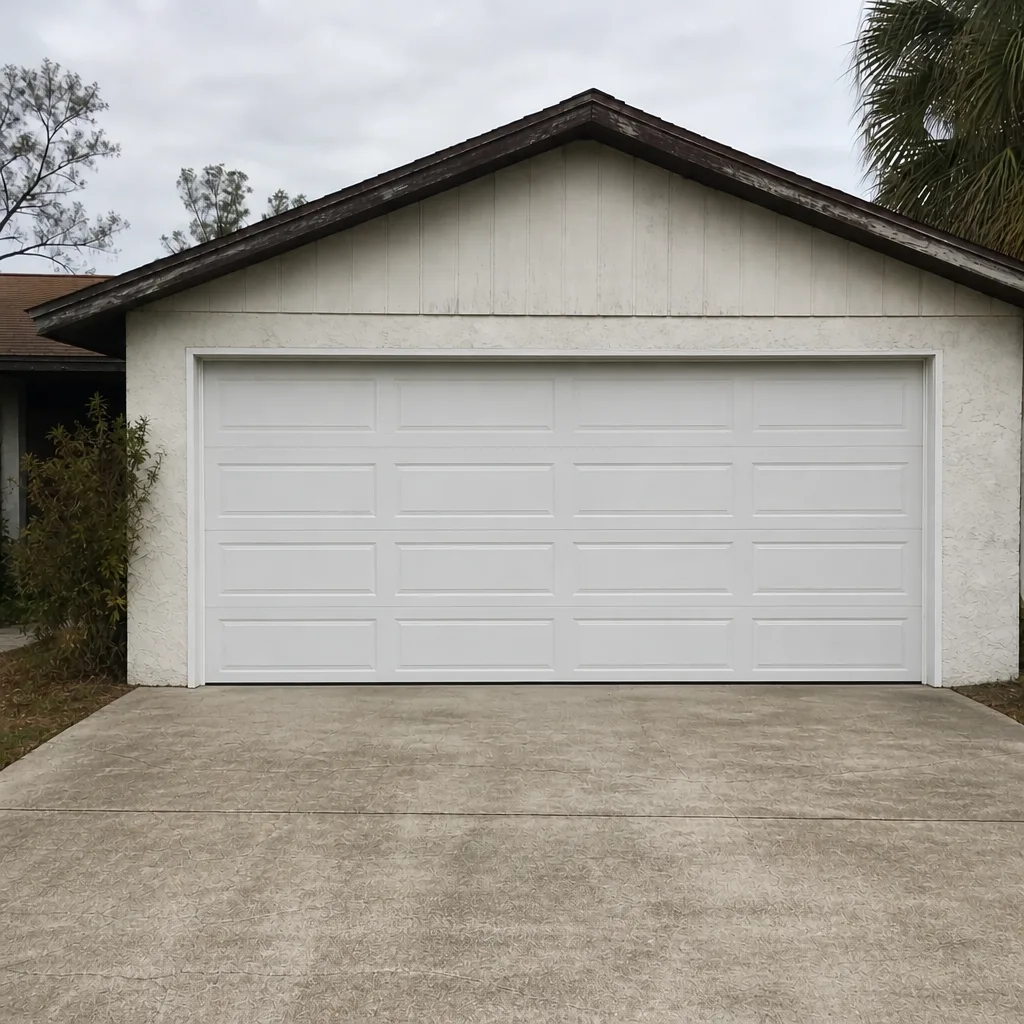 After