
Last updated November 21, 2026
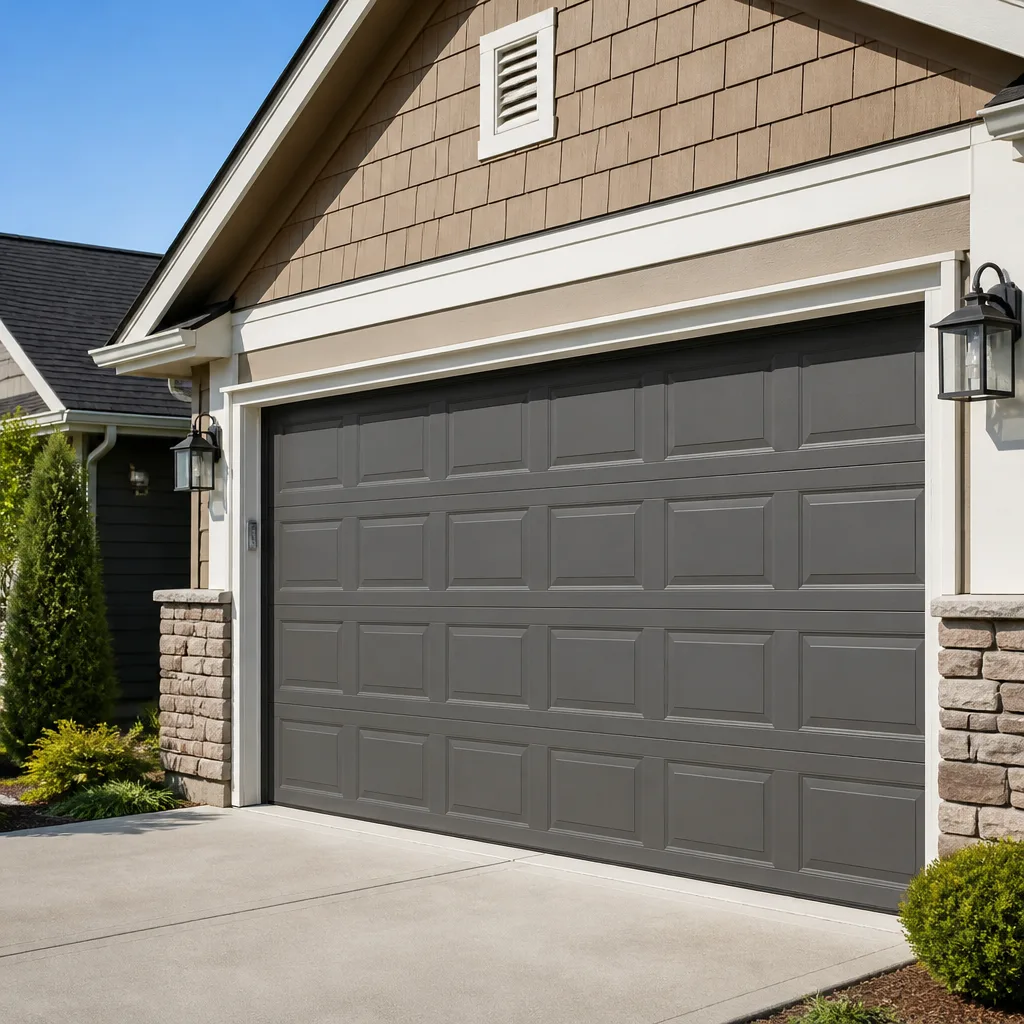 Raised-panel steel
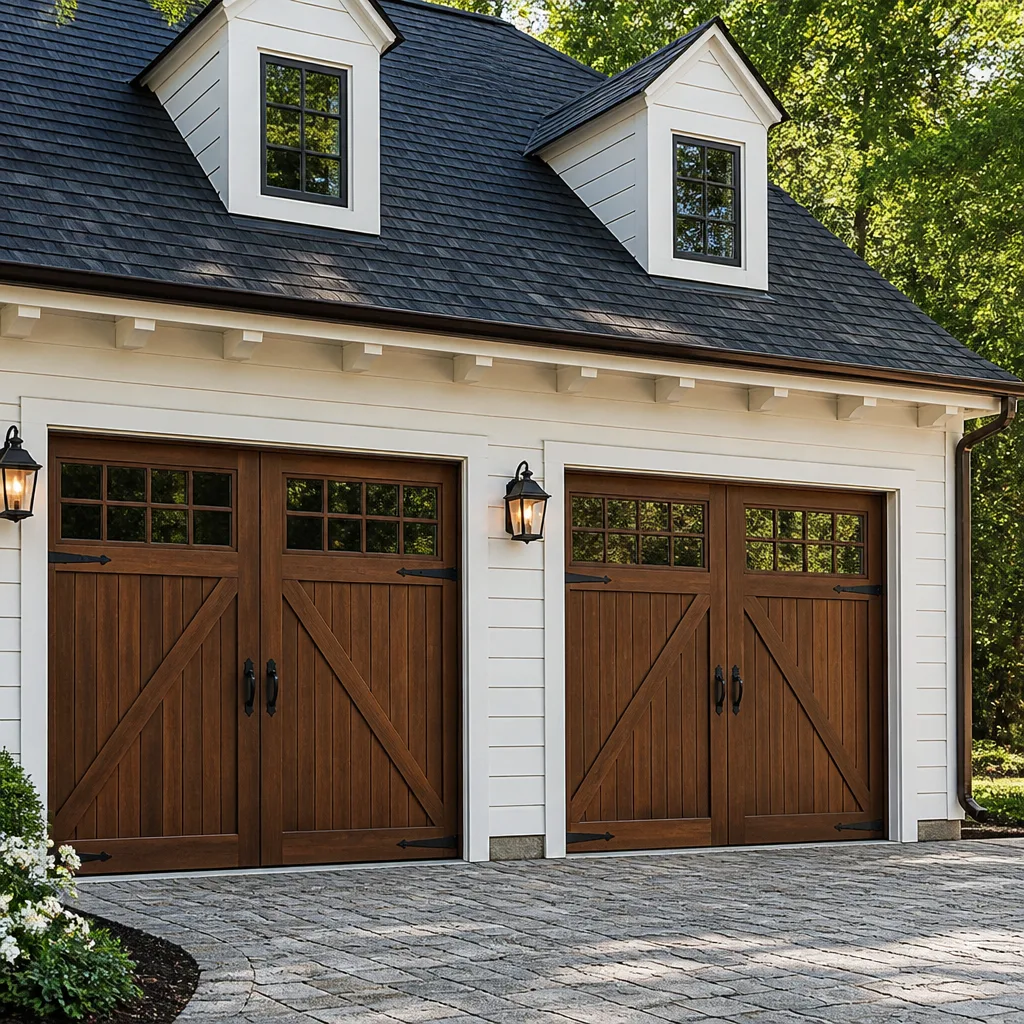 Carriage house
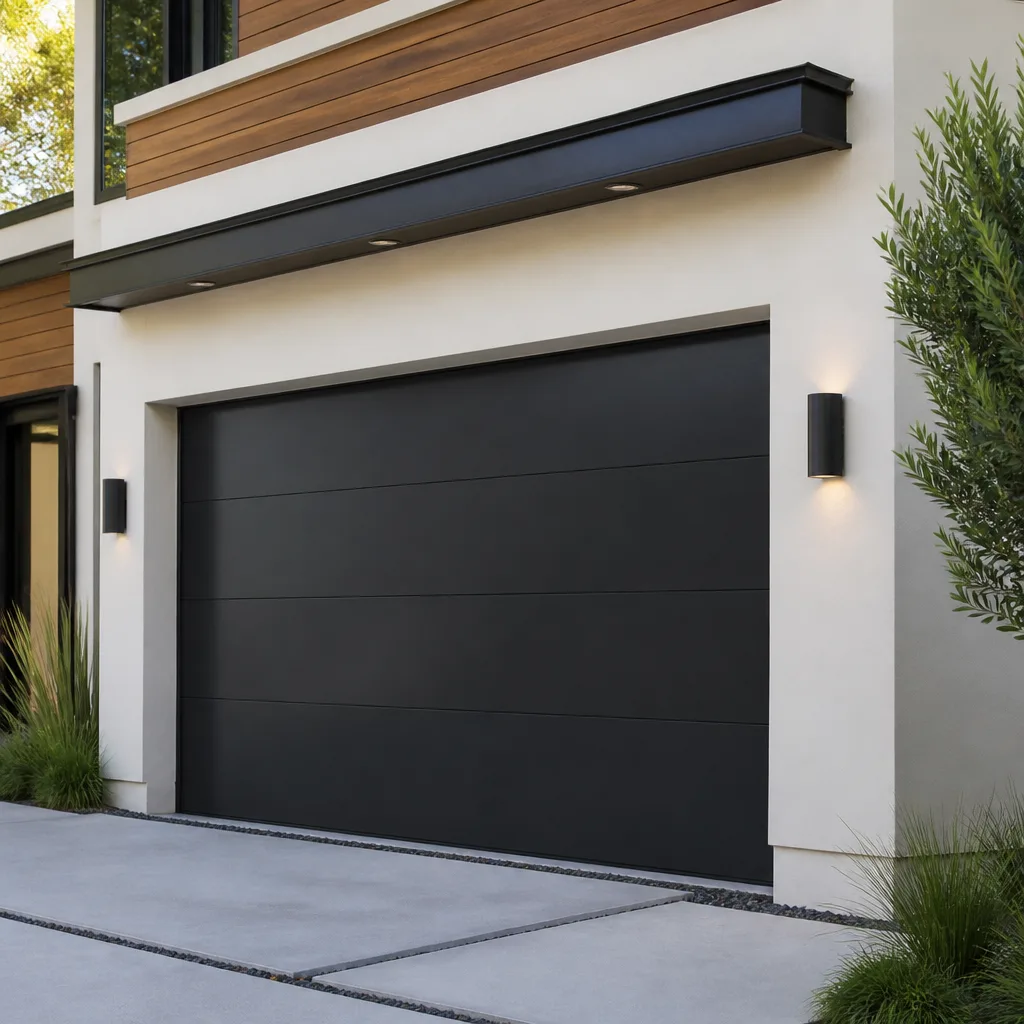 Modern flush
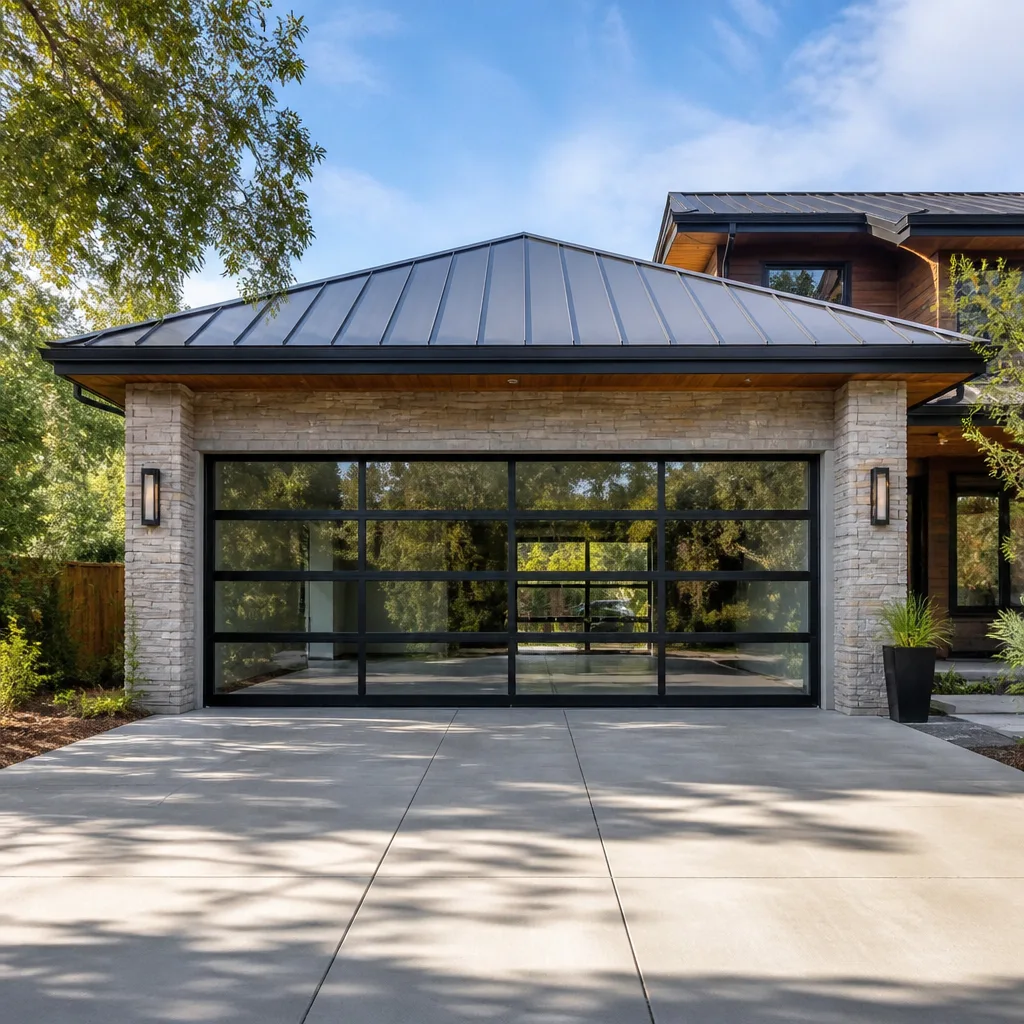 Full-view glass
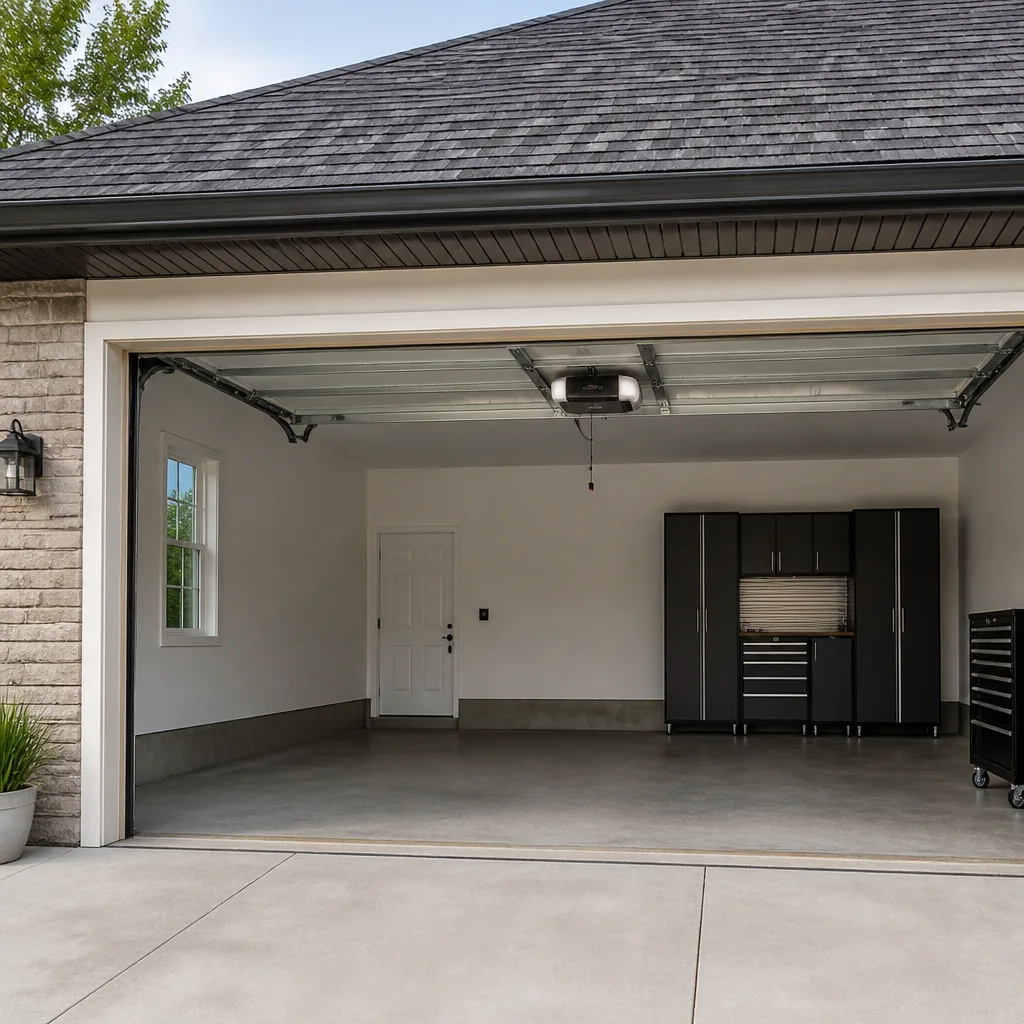 LiftMaster openers
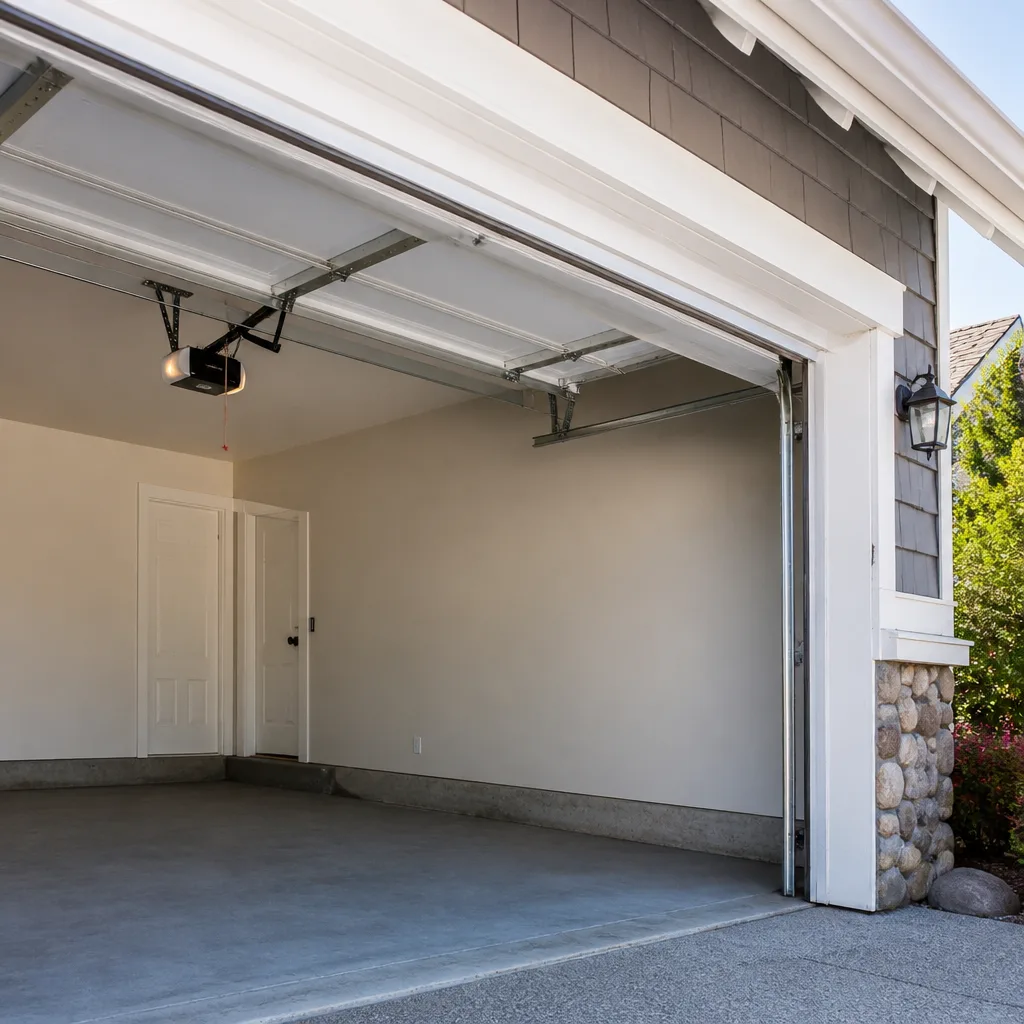 Chamberlain openers
Full 25-point door and opener safety check with every visit - springs, cables, rollers, tracks, and your LiftMaster or Chamberlain opener included
You get a price before we start. It does not change when the pro arrives.
Get your free estimateDIY vs Professional Garage Door: The Lehigh Acres Homeowner’s Decision Guide
A torsion spring under full tension stores enough energy to throw a grown adult across a garage. That’s not a scare tactic or a figure of speech. It’s the physical reason spring work sits in a category of its own, separate from nearly every other garage door task a homeowner might reasonably take on. The DIY-versus-professional question usually turns into a debate about money, and money matters. But the real variable here is injury risk, and that risk doesn’t shrink based on how many videos you’ve watched. This guide draws a clear line for Lehigh Acres homeowners: what you can safely handle, what needs caution, and what should never be a weekend project. You’ll finish knowing exactly where that line falls for your door.
Quick Answer
Lubrication, visual inspections, and most photo-eye sensor adjustments are safe for a Lehigh Acres homeowner to do. Spring replacement, cable work, and any repair on a door that’s off its tracks belong to a trained technician, because those components store and release enough force to cause serious injury. Everything else falls in between and depends on your comfort, your tools, and whether the work touches the door’s structural or wind-load components.
Styles & brands we work with
- Raised-panel steel
- Carriage house
- Modern flush
- Full-view glass
- LiftMaster openers
- Chamberlain openers
Table of Contents
- Why Garage Door Work Is Different From Other Home Repairs
- The Three-Tier Task Classification
- The Tools and Knowledge Gap
- The Full Cost Picture: Parts, Time, Tools, and Risk
- Florida, Lehigh Acres, and Wind-Load Compliance
- What to Do Between Noticing a Problem and Getting a Technician
- Common Mistakes to Avoid
- When to Call a Professional
- Frequently Asked Questions
Why Garage Door Work Is Different From Other Home Repairs
A garage door is the largest moving object in most homes. In Lehigh Acres, where single-family homes with attached garages dominate the housing stock, that door cycles open and closed several times a day, every day. The springs, cables, and track carry the full weight of the door and balance it against gravity. When a component fails under load, the stored energy releases in a fraction of a second. There’s no warning thud before a torsion spring breaks. It just goes.
Compare that to the average homeowner repair. Replacing a faucet washer or patching drywall punishes mistakes with a leak or a visible seam. Garage door mistakes punish the person standing in the wrong place. That’s the whole argument in one sentence: the failure mode here is physical, not cosmetic.
This is also why spring work is a named specialty rather than a checkbox on a general handyman’s list. Many generalists decline it outright, and the ones who don’t sometimes improvise with the wrong tools or the wrong spring gauge, which turns a repair into a callback. Our technicians have up to 15 years of experience, and spring repair is one of the core services we handle because it demands specific training, not generic handiness.
None of this means the garage door is a fragile thing you should fear. It means the components that carry tension deserve the same respect you’d give an electrical panel. You don’t rewire a panel to save a service call. You shouldn’t reset a torsion spring to save one either.
The Three-Tier Task Classification
Every garage door task fits into one of three buckets. The trick is being honest about which bucket a given job belongs to, because the boundary isn’t always obvious from the outside.
Tier 1: Safe for Owners
These are maintenance and light adjustment tasks. They keep the door running quietly and catch small problems before they grow.
- Lubrication. A garage door lubricant applied to hinges, rollers, and the torsion spring (never the tracks) quiets a squeaky door and slows wear.
- Visual inspection. Look at cables for fraying, springs for gaps, and rollers for flat spots. Ten minutes with a flashlight tells you whether to call someone.
- Photo-eye sensor adjustment. If the door reverses for no reason, the small sensors near the floor are usually misaligned or dirty. Wiping the lenses and nudging them back into line is a homeowner job.
- Track debris cleanup. Clearing leaves and grit from the tracks is safe and prevents rollers from jumping.
- Remote battery replacement. Dead remote, fresh battery, done.
Tier 2: Requires Caution
These tasks aren’t inherently dangerous, but a misstep can create a bigger problem or void a warranty. Think twice, and read the manual for your exact make and model. If your door is a Raynor or an Amarr model with specific hardware, the manual matters more than a generic video.
- Replacing rollers and hinges. Doable with the door fully closed and the spring tension never touched, but you’re working around moving parts.
- Adjusting opener travel and force limits. A wrong setting can make the door slam or reverse mid-travel. The opener’s manual is non-negotiable here.
- Replacing a wall-mounted opener button or keypad. Low voltage, but getting the wiring wrong can brick the opener logic board.
Tier 3: Never DIY
This is the category that matters most. These components hold stored energy or carry the door’s full weight. A mistake here can injure you or anyone nearby, and it can drop the door.
- Torsion spring replacement. The spring above the door is wound under heavy tension. Adjusting or replacing it requires winding bars, a precise understanding of cycle counts, and the knowledge to keep your body out of the release path.
- Extension spring replacement. The springs that run alongside the door on older setups still carry serious force when they snap.
- Cable replacement. Cables stay under tension whenever the door is closed. A slipping cable can cut. This is one of the most dangerous jobs on the whole door.
- Track realignment after the door comes off. A door off its tracks can fall. It’s also heavier than it looks.
- Replacing a torsion tube or the center bearing plate. Structural, load-bearing, never a homeowner task.
When a Lehigh Acres door needs anything from that third tier, the safe move is a call to a specialist. Our garage door spring repair work exists precisely because this tier isn’t a homeowner job.
The Tools and Knowledge Gap
The tools are only half the gap. Winding bars for torsion springs run a modest cost, but buying them is the easy part. The knowledge gap is what separates a homeowner with a wrench from a technician who does this daily.
Here’s what a trained technician brings that a homeowner usually doesn’t:
- Spring sizing knowledge. Springs are matched to door weight, height, and cycle life. The wrong gauge means the door won’t balance or the spring fails early. On a Wayne Dalton or Craftsman setup, the factory spec is what matters, not what’s on the shelf.
- Winding discipline. Torsion springs are wound a specific number of quarter-turns based on the spring and door. Get it right and the door balances. Get it wrong and you’re holding a loaded spring with your hands.
- Cable tensioning. Cables have to be set evenly. Uneven tension pulls the door sideways and can snap a cable.
- Diagnostic instinct. A door that reverses at the same spot every time could be a sensor, a track kink, a bad limit switch, or a worn hinge. An experienced technician reads the symptom in one visit. A homeowner reads it over several evenings of trial and error.
- Brand-specific parts. A LiftMaster opener logic board and a Genie board are not interchangeable. Matching parts to the actual make and model prevents a fix that fails in a month.
The gap widens with age. Older doors accumulate mismatched parts over time as previous repairs layer up. A technician recognizes the patchwork. A homeowner often doesn’t notice until the new part doesn’t fit.
The Full Cost Picture: Parts, Time, Tools, and Risk
The honest comparison isn’t the price of a part against the price of a repair. It’s the all-in cost of doing it yourself, including the tools and the chance of a redo.
Start with the parts. A spring, a set of rollers, or a hinge is cheap in isolation. But the DIY math rarely stops there. Here’s what the full picture looks like in a Lehigh Acres market:
- Parts. Springs, cables, and rollers at retail are often only modestly cheaper than shop-supplied parts, and shop parts usually carry a warranty.
- Tools. Winding bars, a socket set, a drill, and a leveling tool add real dollars if you don’t already own them.
- Time. A first-time spring replacement can consume a full day between research, attempts, and do-overs. A technician does it in a scheduled visit.
- Risk of a botched repair. A mis-set torsion spring can over-stress the opener, and a mis-tensioned cable can bend the track. Each mistake turns a small job into a larger one. The cost of a redo is almost always more than the cost of the original professional repair.
- Warranty. A DIY fix usually voids any remaining coverage on the opener or door. That’s a hidden cost that only shows up years later.
Emergency work is where the comparison shifts. If the door won’t close and your car is trapped inside, the value of a same-day visit outweighs any DIY savings. The same is true if you’re facing a repair that has to be done before a storm. For most Lehigh Acres homeowners, the calculation that actually matters is repair speed versus repair risk, not cheap versus expensive. Our garage door repair team quotes free estimates so the number is known before the job begins. Our technicians bring the correct tools and the brand-specific knowledge, and they can usually diagnose the make and model in one visit.
Florida, Lehigh Acres, and Wind-Load Compliance
Florida is one of the few states where a garage door repair can literally fall under building code. Wind-load requirements affect how a door is rated, anchored, and reinforced. When a repair touches those components, DIY efforts can create compliance and insurance problems.
What that means for a Lehigh Acres homeowner:
- Any structural change to the door or anchoring needs a permit. Changing the door’s mounting, reinforcement, or anchor points typically requires a permit. Ask the city’s building department before you touch anything that bears on the door’s wind rating.
- Compliance already on record still matters. Even if you’re just replacing the door, the opening has a required wind-load rating. Reinstalling a door incorrectly can leave it out of compliance, which can affect insurance.
- Cosmetic repairs are usually safe. Lubrication, sensor adjustment, and minor track cleanup don’t affect compliance.
- Springs and cables don’t involve permits directly, but they do carry risk. A broken spring is a repair. A re-anchored door is a permitting question. Keep those separate in your planning.
If you’re not sure whether a job touches the wind-load rating, the safe answer is to call and ask. Our group works on garage doors exclusively, and we can tell you quickly whether a repair is a straight replacement or one that needs a permit too. Lehigh Acres homes come in a range of ages and roof styles, and the door requirements can vary from one community to the next.
What to Do Between Noticing a Problem and Getting a Technician
The window between the first symptom and the repair appointment is when most secondary damage happens. Follow this sequence:
- Stop using the door. If you heard a snap, a bang, or a loud groan, stop cycling the door. Pushing a damaged door risks more than the original failure.
- Look, don’t touch. A visual inspection is safe. Turn on the garage light and check for gaps in springs, frayed cables, or a visibly off-track door.
- Disconnect the opener. If the door is stuck and the opener keeps trying to lift it, use the manual release (usually a red pull cord) to take the opener out of the equation. Never attempt this if the door has already dropped or is visibly unstable.
- Keep people and pets clear. A loaded spring or an unstable door is not a place for kids or pets to wander.
- Call for a diagnosis. Get a plan, an estimate, and a scheduled visit. For a Lehigh Acres homeowner, that call is usually the moment of relief. We answer 24/7, and our fast dispatch from 7am to 7pm gets a technician to your door on the same day in many cases.
- Don’t attempt to lift a door that has come off its tracks. A door out of its tracks can fall at any point. Leave it, and let a technician handle the recovery.
Our garage door opener repair service covers the failures that look like a door problem but aren’t. A door that reverses a few inches off the floor is often a sensor or travel-limit issue, and a technician can diagnose whether the opener board or the mechanical parts need attention. The visit usually costs less than replacing an opener that wasn’t broken to begin with.
Common Mistakes to Avoid
- Attempting a torsion spring replacement without a professional. The spring above the door is wound under heavy tension, and the release is violent. This is the single most common injury path in garage door work.
- Buying a spring without matching the door weight. Springs are sized to the door, not the other way around. A mismatched spring can fail early or leave the door unbalanced.
- Ignoring the door’s wind-load rating when replacing panels or fasteners. In Florida, a change to the mounting can create a code and insurance problem. Ask the building department before you alter the anchoring.
- Using the opener to force a stuck door. A damaged opener burned out by repeated attempts turns a repair into a replacement. Pull the manual release and call for help.
- Applying the wrong lubricant to the tracks. Tracks should stay dry. Lubricating them attracts grit. Lubricate the springs, hinges, and rollers instead.
- Adjusting the door’s open and close travel to “fix” a small clearance issue. The travel limits are set to the door’s real range, and misadjusting them can make the door slam. The manual is mandatory reading here.
- Replacing an opener without checking the rest of the system. A brand-new LiftMaster or Genie on a door with a bad spring will strain and fail early. Fix the mechanical problem first, then talk about the opener.
Most of these mistakes share a common root: assuming the door’s mechanical parts are as forgiving as a stuck cabinet door. They’re not. The components that balance a 150-pound-plus door against gravity carry force that warrants respect.
When to Call a Professional
Call a technician for anything in Tier 3, plus any situation where you’re uncertain. Broken springs, snapped cables, a door off its tracks, an opener that’s dead or burning out, a door that won’t stay closed, or any repair after a storm where the door’s wind rating might be affected. If you’re unsure which bucket a task belongs to, that’s your signal to call. Our team at Lehigh Acres Garage Door Repair Pros offers free estimates in Lehigh Acres, and we can usually tell you within minutes whether a repair is a same-day job or a scheduled one. Call (877) 492-2397. We answer 24/7. Fast dispatch from 7am to 7pm, Sunday through Friday. When the door won’t move, neither can your day.
Frequently Asked Questions
You should not. Torsion and extension springs are under heavy tension and can cause serious injury when mishandled. A trained technician winds, sizes, and balances the spring to your specific door, which is why spring work is a specialty rather than a general repair.
Lubrication, visual inspection, sensor adjustment, and battery changes are safe. Anything involving springs, cables, track realignment after a fall, or the door’s structural anchoring needs a technician. When a repair touches either wind-load compliance or a tensioned component, call a professional.
It can, if the repair changes the door’s wind-load rating or anchoring. Florida homeowners usually carry wind coverage that depends on the door’s installed rating. Cosmetic repairs are fine, but any change to the door’s mounting or reinforcement should go through a permit and a licensed professional.
Many repair calls can be handled same-day. We answer 24/7, and our fast dispatch from 7am to 7pm, Sunday through Friday, gets a technician out, usually within a same-day window. Call (877) 492-2397 and we’ll give you an estimate and the soonest opening.
We work on systems from at least eight major brands: LiftMaster, Chamberlain, Genie, Clopay, Amarr, Wayne Dalton, Craftsman, and Raynor. Brand-specific diagnostics mean we match repairs to the actual make and model rather than patching with generic parts.
Pricing is per job and set by the free written estimate. A torsion or extension spring repair typically involves matched parts, labor, and rebalancing. Call (877) 492-2397 for an exact quote. Estimates are free.
The written estimate sets the price. We quote before any work begins and don’t add extra for the visit itself. If a technician finds a second issue, you’ll get the revised number in writing before anything proceeds.
The local professionals we connect you with are licensed and insured as their state requires. We work only with technicians whose training and tooling are specific to garage doors.
The Bottom Line
The DIY-versus-professional question for a Lehigh Acres homeowner comes down to the task, not your confidence. Lubrication, sensors, and quiet maintenance are yours to keep. Springs, cables, and any repair that touches wind-load compliance belong to a specialist. A botched repair usually costs more than the original professional fix, and the risk of injury is the real argument. Our full-cycle service covers repair, spring repair, opener repair, and new installation under one roof, so there’s no point where you outgrow the relationship. Get an estimate first, decide after. When the door won’t move, neither can your day. Call (877) 492-2397 for a free estimate, and we’ll tell you plainly which tasks are yours and which are ours.
Written by the team at Lehigh Acres Garage Door Repair Pros.
See the difference
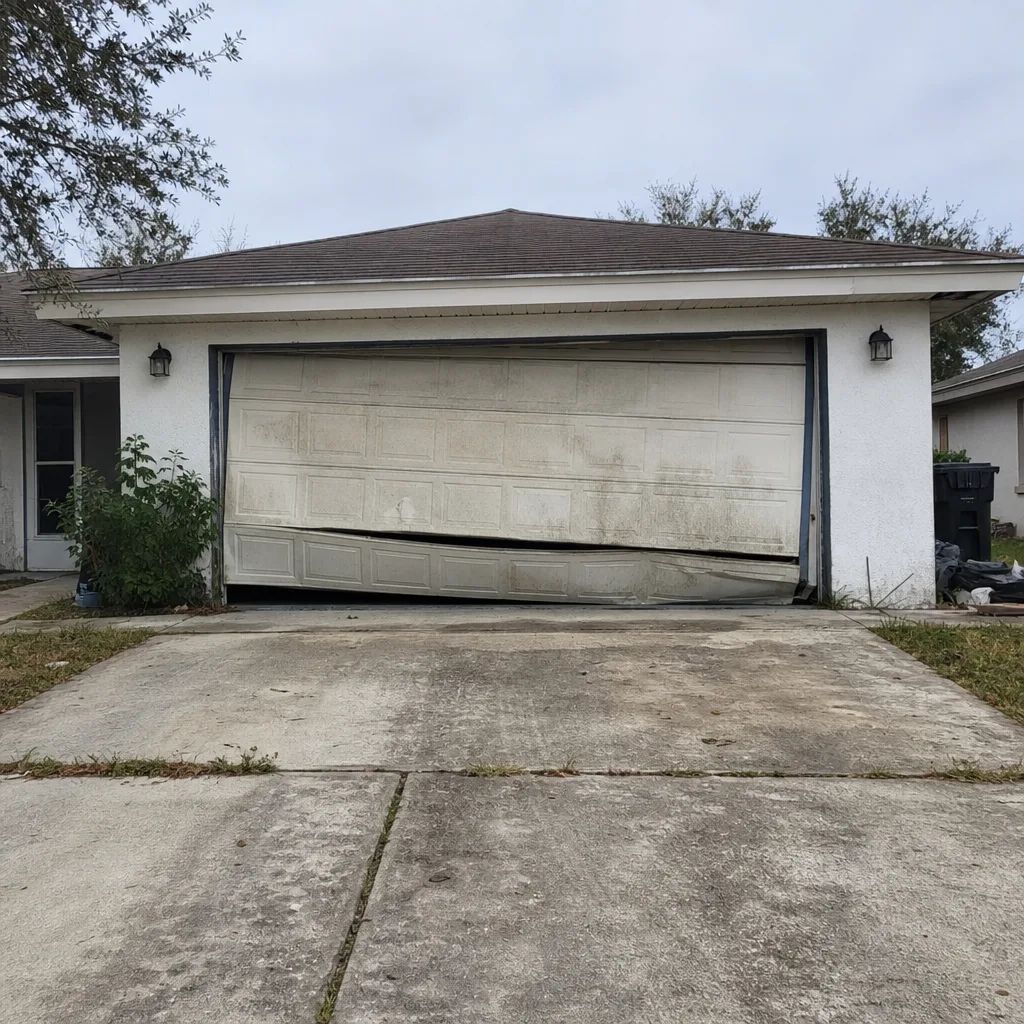 Before
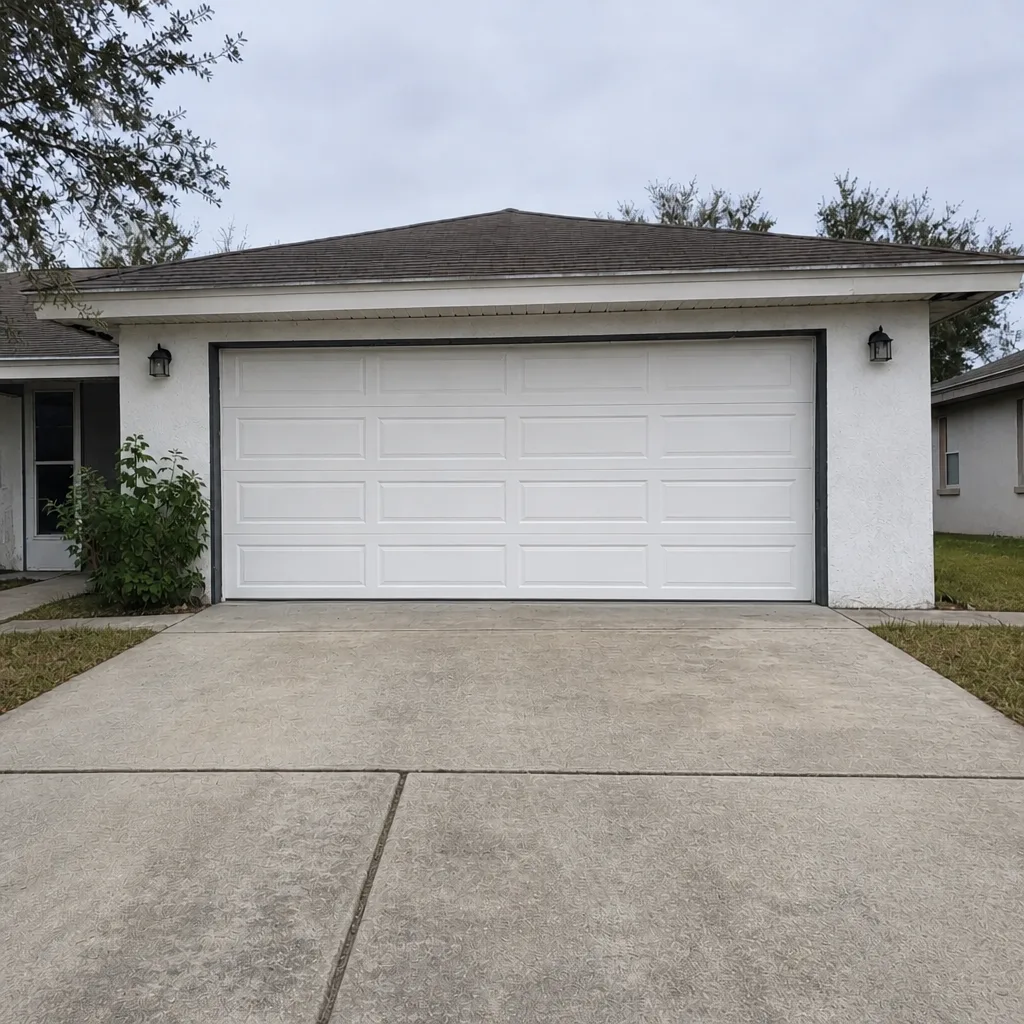 After
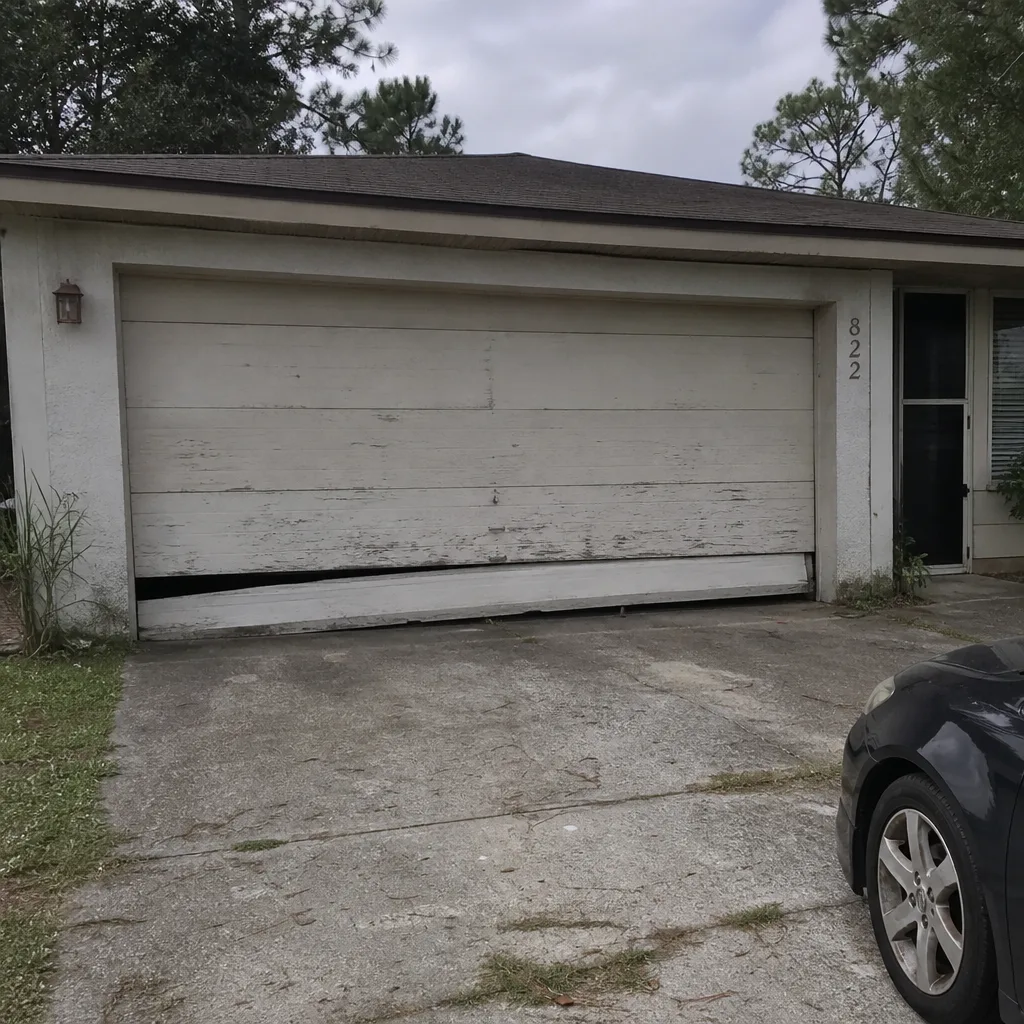 Before
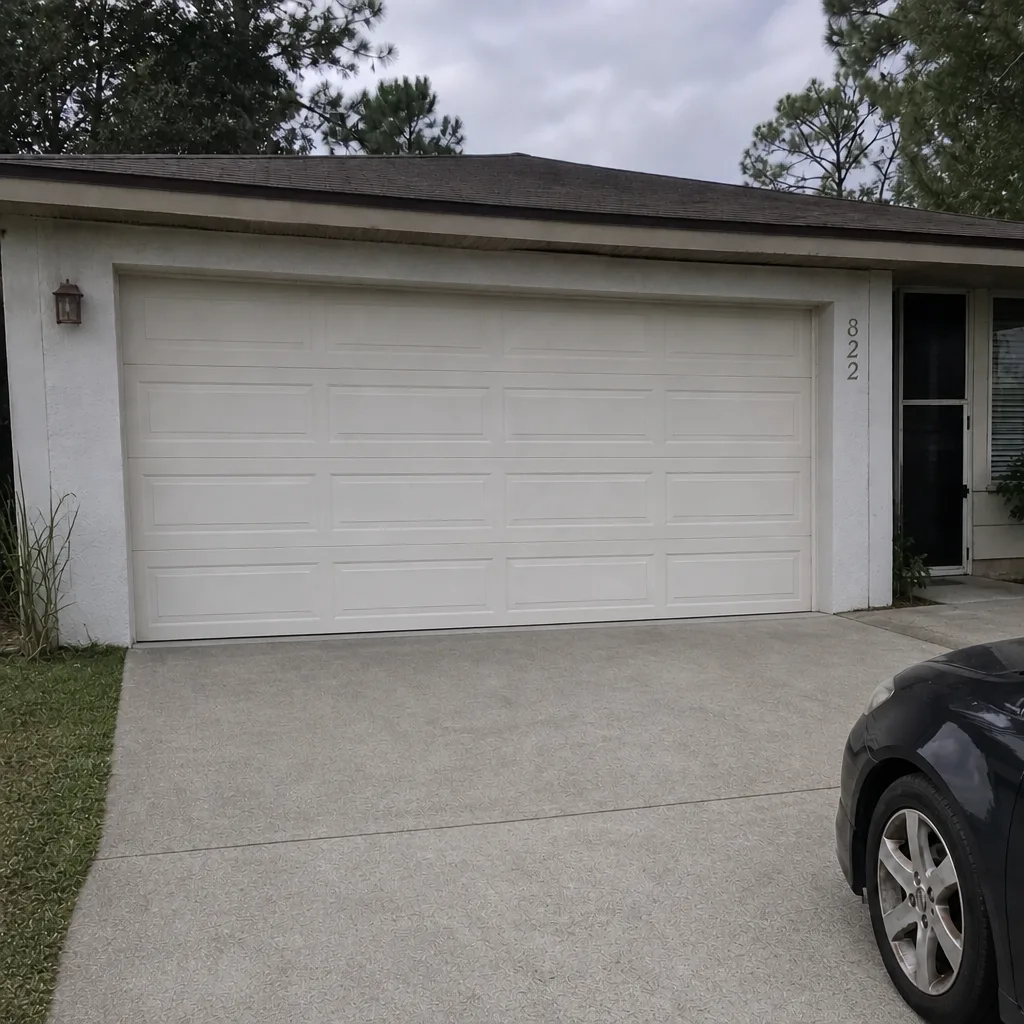 After
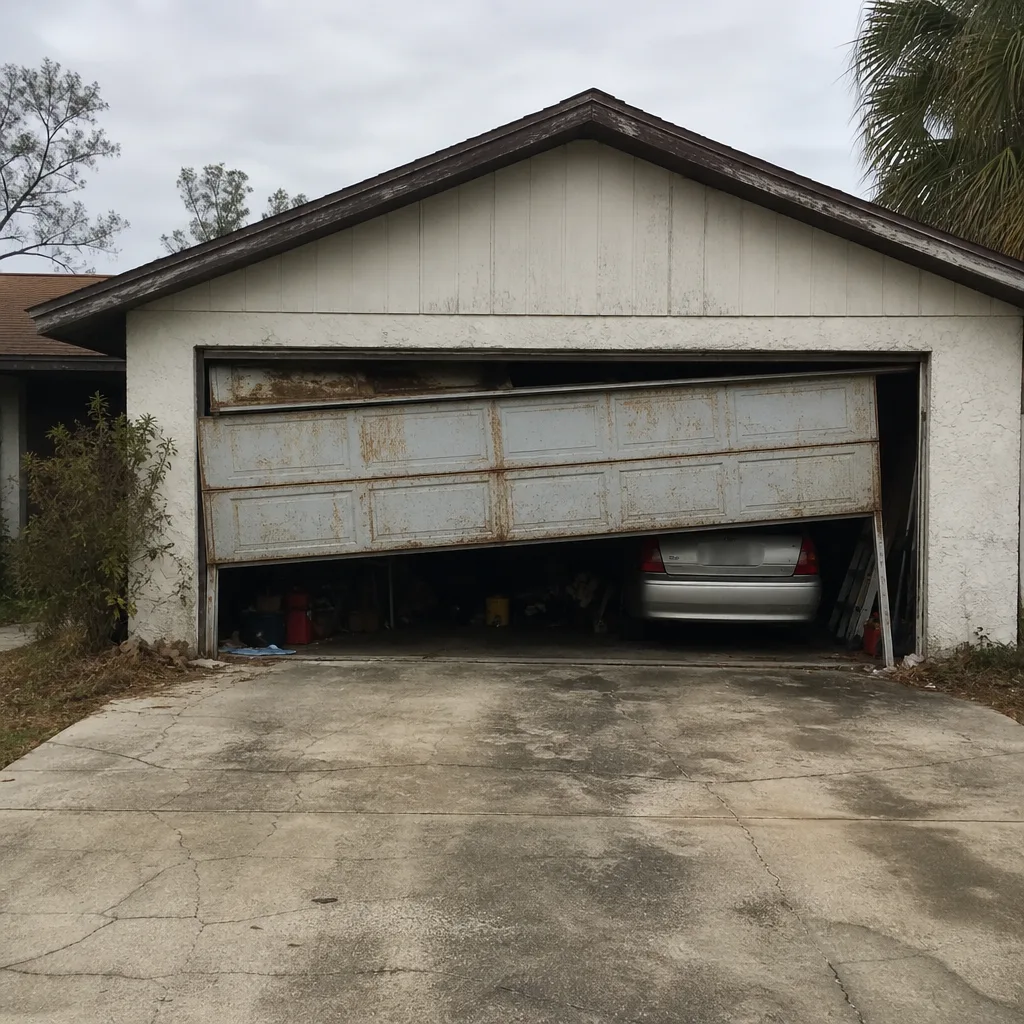 Before
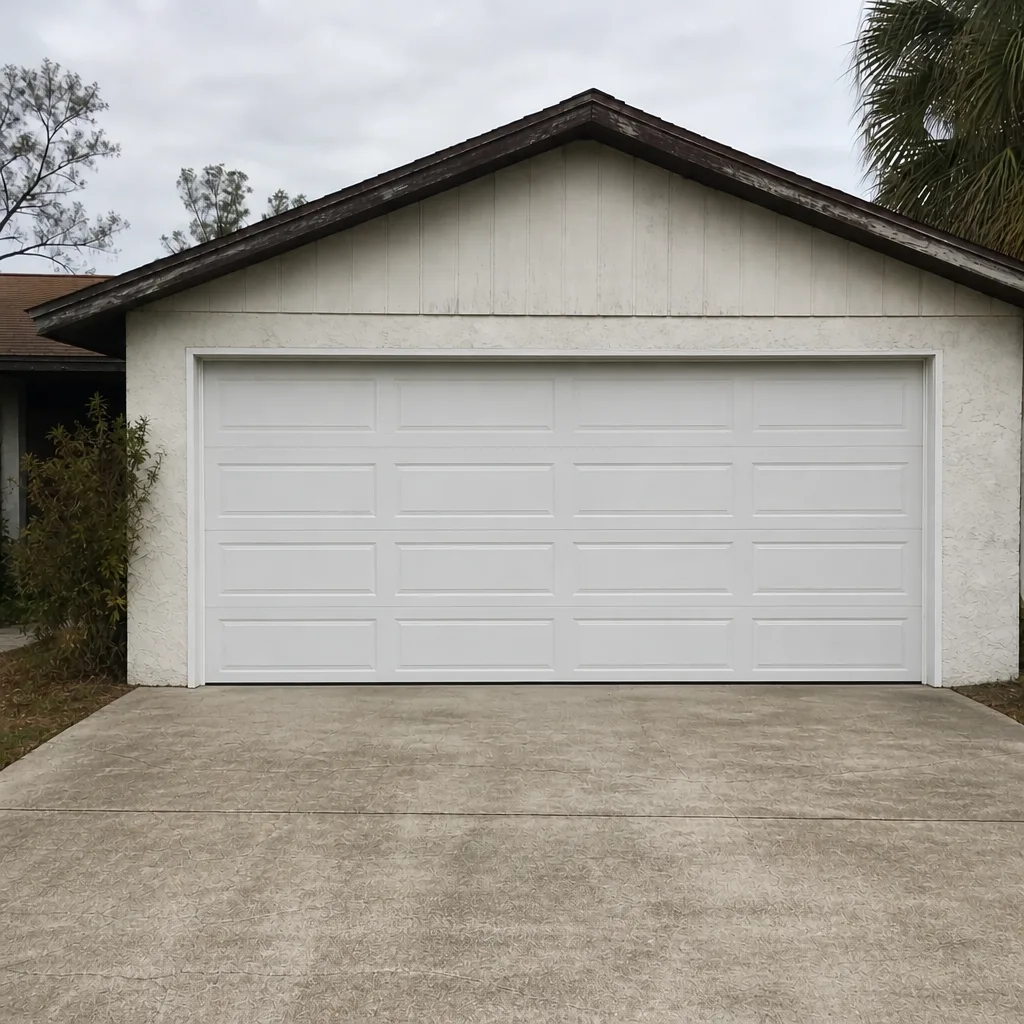 After