
Last updated November 21, 2026
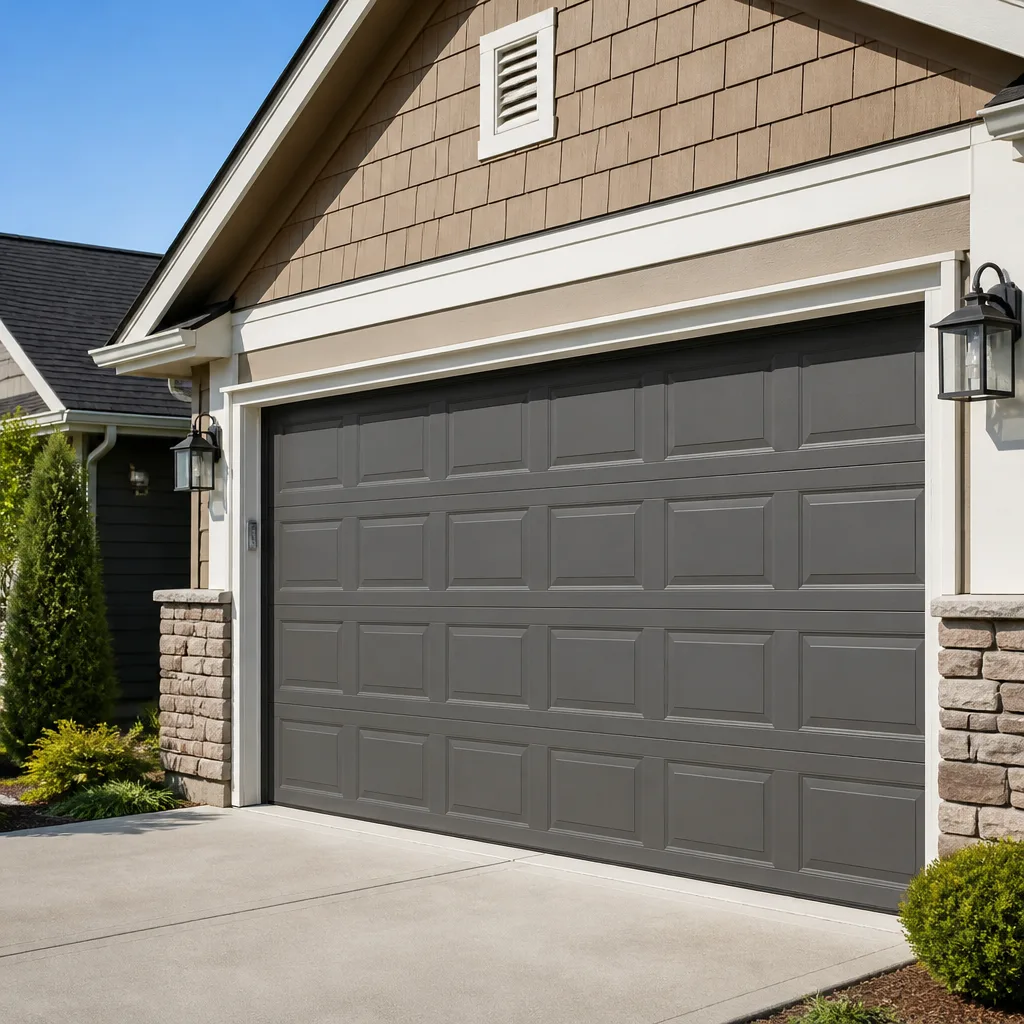 Raised-panel steel
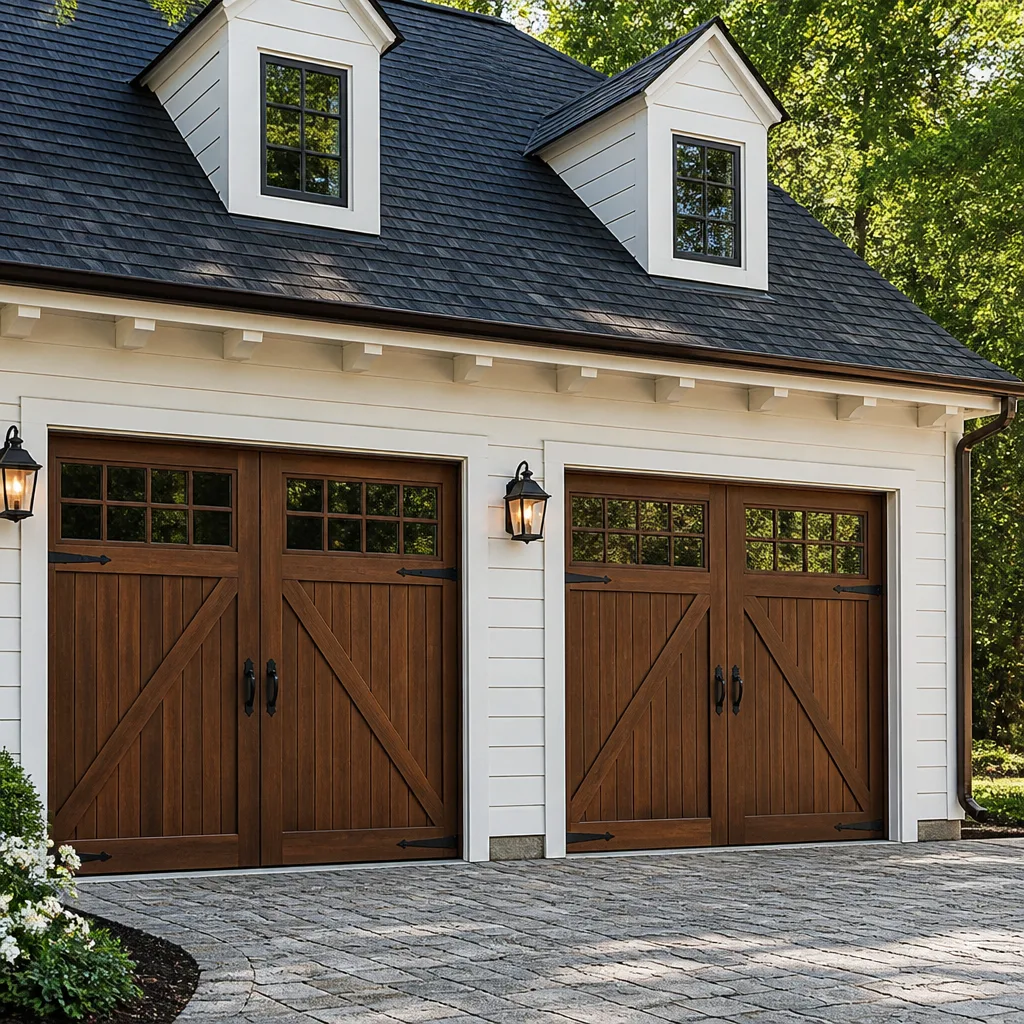 Carriage house
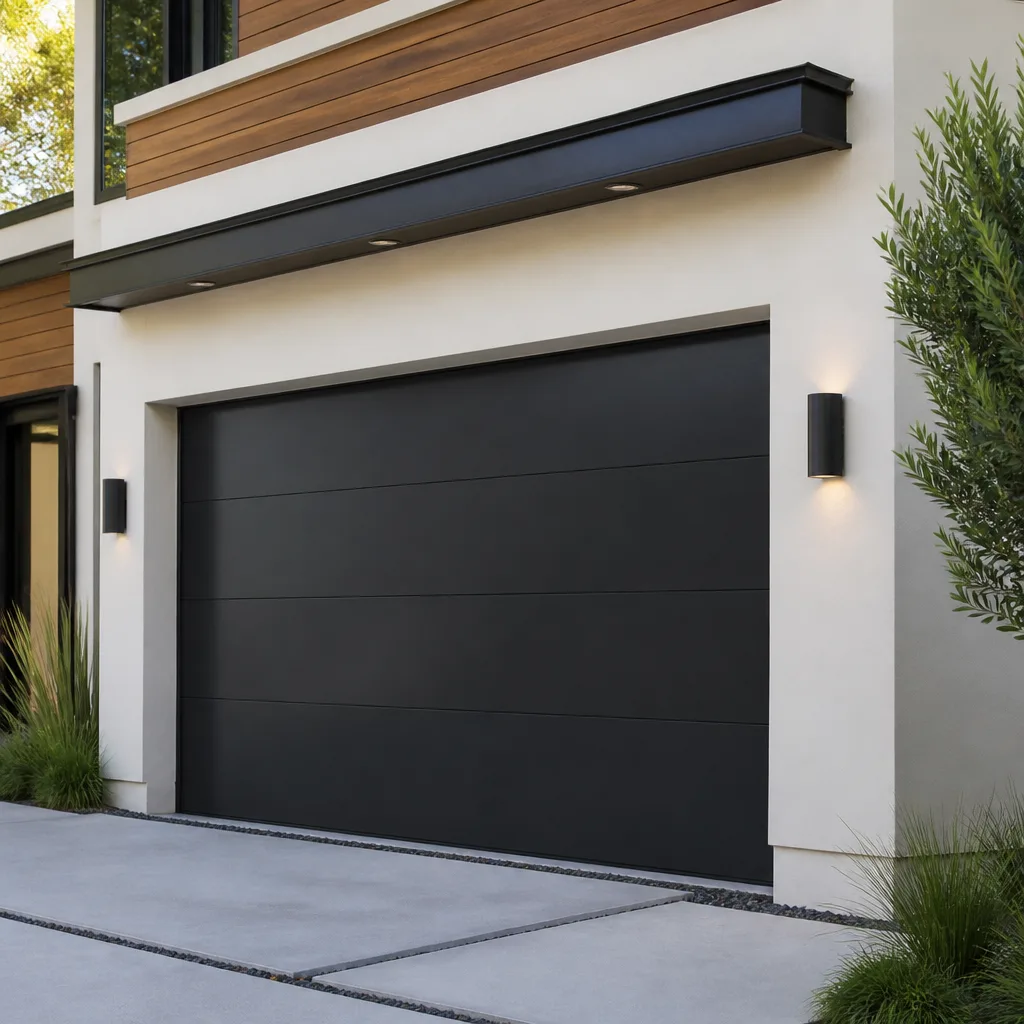 Modern flush
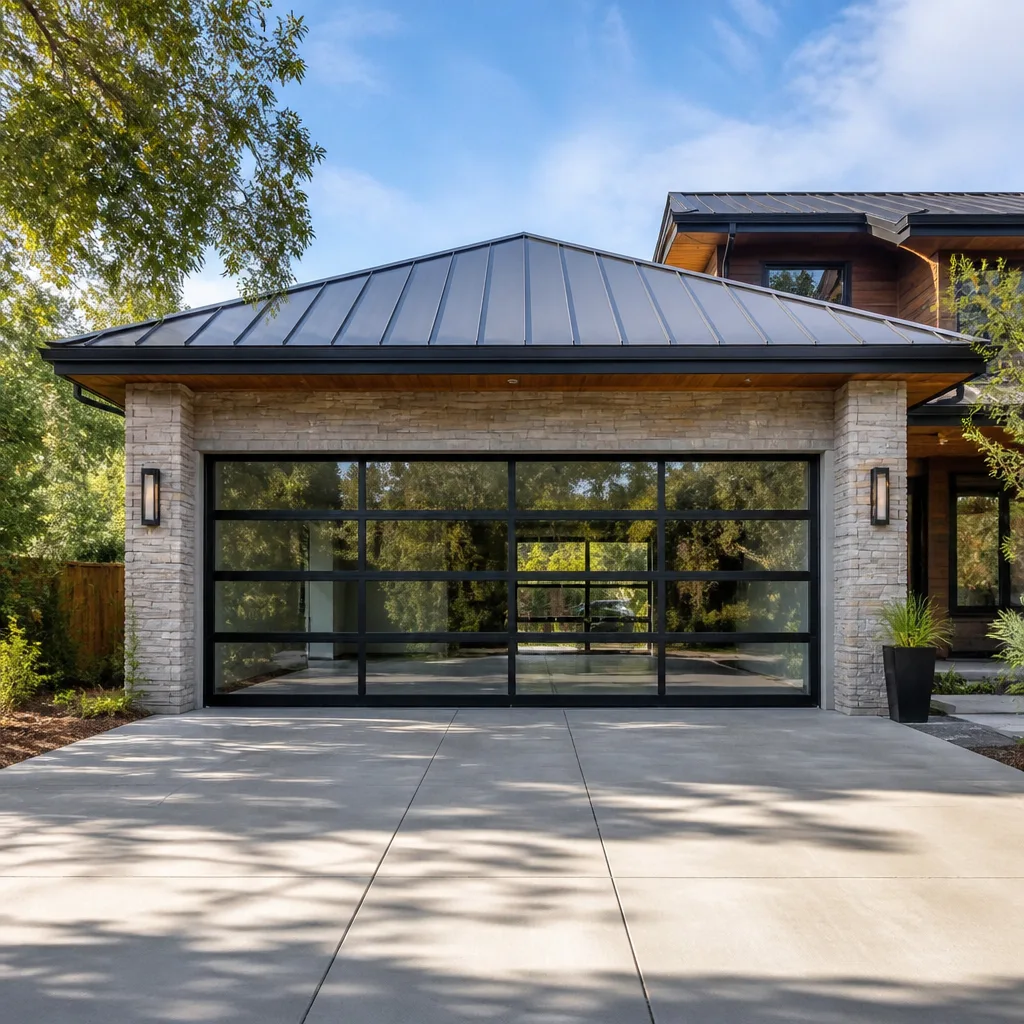 Full-view glass
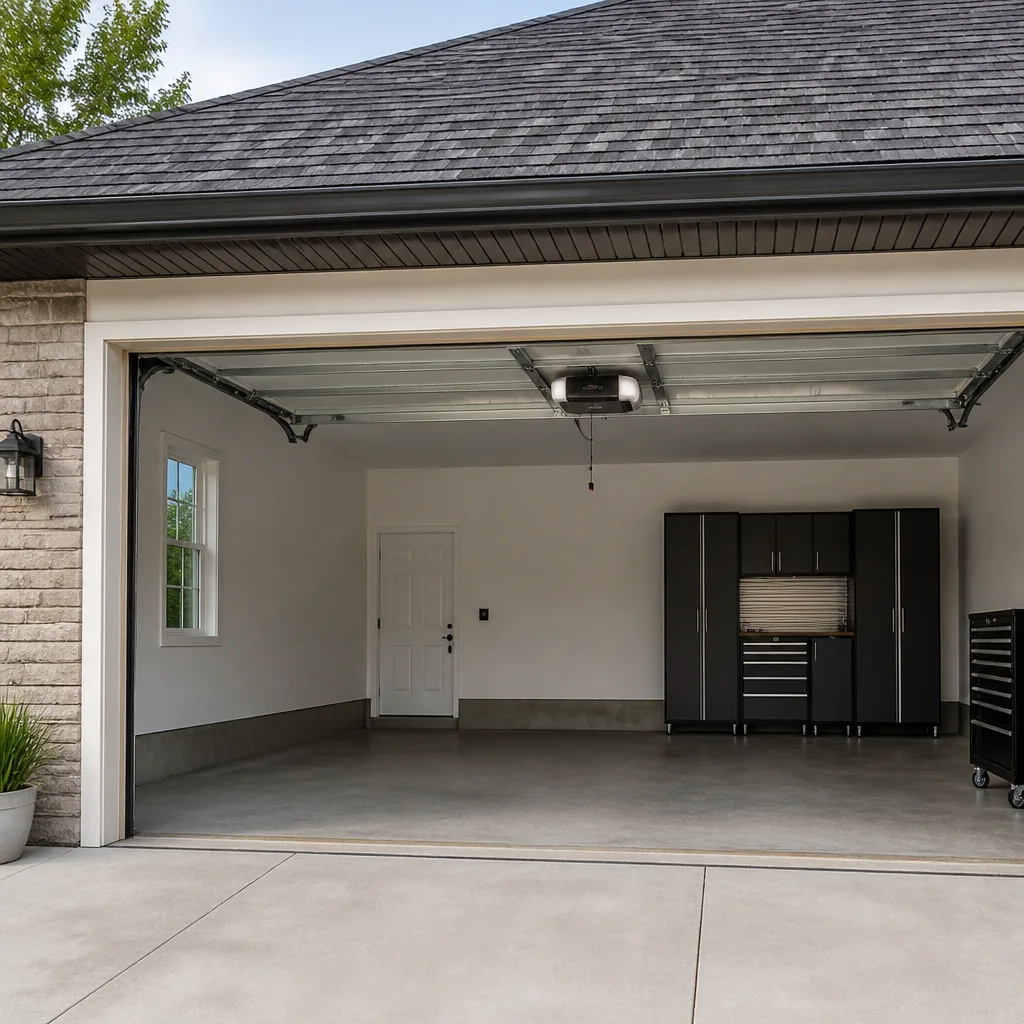 LiftMaster openers
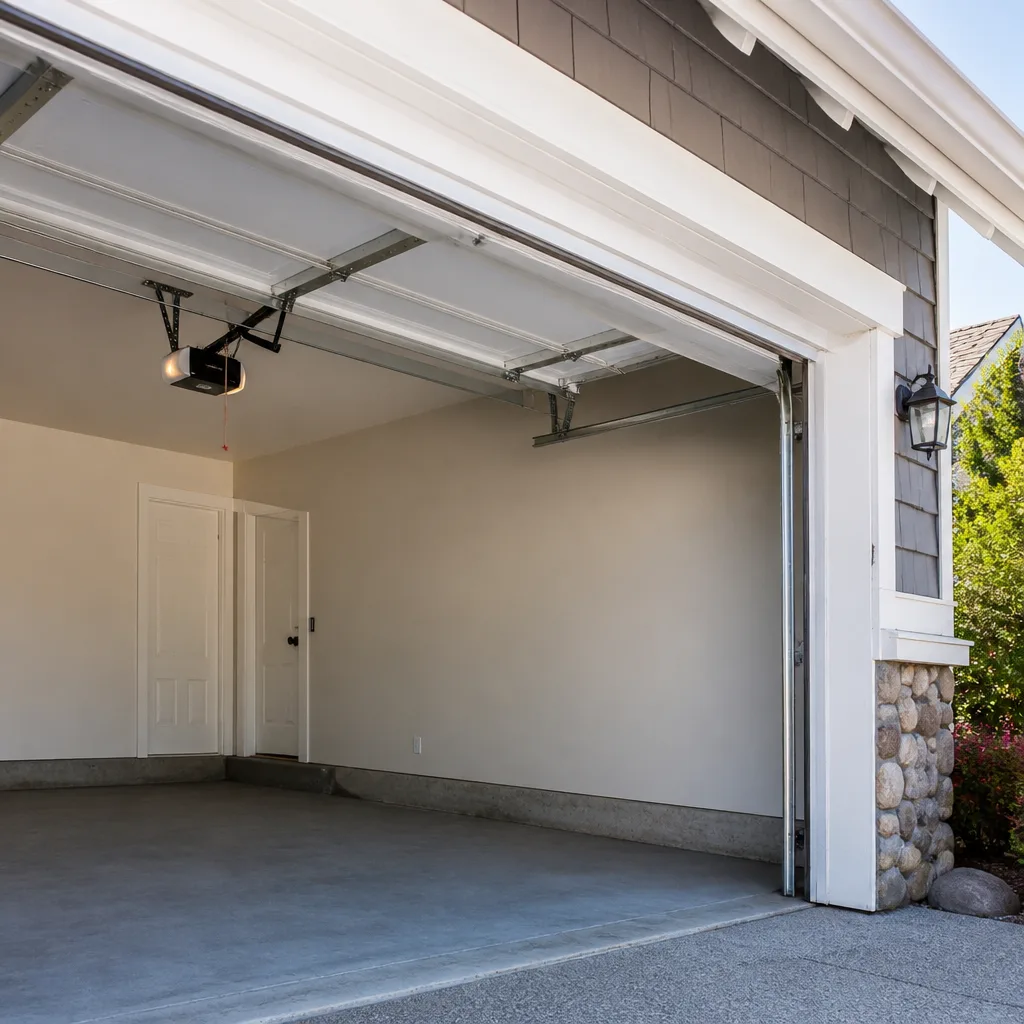 Chamberlain openers
Full 25-point door and opener safety check with every visit - springs, cables, rollers, tracks, and your LiftMaster or Chamberlain opener included
You get a price before we start. It does not change when the pro arrives.
Get your free estimateGarage Door Warning Signs: A Lehigh Acres Homeowner’s Reference Guide
A single loud bang during operation means something. A loud bang combined with a door that won’t move and a cable lying on the floor means something completely different, and it calls for a different response in the next 60 seconds. That gap between isolated symptom and symptom cluster is where most homeowners get caught out. Warning signs rarely arrive one at a time. In our experience across Lehigh Acres, they show up in combinations that tell a specific diagnostic story, and reading that story correctly is the difference between booking a repair on your terms and getting stranded in your driveway. This guide teaches pattern recognition: how noise, movement, and visual cues combine, which clusters mean imminent failure, and which are just cosmetic wear.
Quick Answer
The warning signs that most reliably signal a garage door is about to fail are: a loud bang followed by a door that won’t open, a visible gap in the spring coil, a cable hanging loose or coiled on the floor, and a door that drops fast on one side. Those combinations point to spring or cable failure and mean the door should stay closed until a technician arrives. Squealing, light grinding, and a slightly stiff seal are usually early wear that can wait for a scheduled appointment. In Lehigh Acres, add rust streaks on springs and an opener that hesitates in peak heat to your shortlist, since both are common here.
Styles & brands we work with
- Raised-panel steel
- Carriage house
- Modern flush
- Full-view glass
- LiftMaster openers
- Chamberlain openers
Table of Contents
- Why Garage Door Warning Signs Come in Clusters, Not Singles
- Sounds Decoded: What Grinding, Squealing, and Popping Actually Mean
- Florida-Specific Warning Signs: Rust, UV Curl, and Heat-Related Opener Hesitation
- The Five-Minute Ground-Level Inspection Checklist
- Is Your Door Safe to Operate Manually? A Decision Guide
- The Combinations That Signal Imminent Failure
- What’s Cosmetic Wear and What Can Wait
- Lehigh Acres Seasonal Patterns: What to Watch When
Why Garage Door Warning Signs Come in Clusters, Not Singles
A garage door is a balanced system. Springs carry the door’s weight, cables transfer that lift, rollers and tracks control the path, and the opener supplies a measured nudge to start and finish the cycle. When one part starts to fail, the rest of the system compensates, so the first sign you notice may not be the part that’s actually going. That’s why warning signs get described in isolation on most websites and then read as isolated events by most homeowners. It’s the wrong way to look at them.
Here’s an example. A squeal on the way up is often blamed on rollers. Sometimes it is. But a squeal that only happens under load, combined with a door that seems heavier to lift by hand and a slight lag before the opener engages, tells you the spring tension is changing. Those three cues together point toward spring wear, not roller wear. Two of them alone could mean anything. All three together means the spring is the place to look first.
In our experience responding to garage door failures across Lehigh Acres, the cluster reading is what saves homeowners from chasing the wrong part. It’s also what separates the calls that genuinely can’t wait from the ones that can be booked for a standard appointment.
How to Read a Cluster in Three Steps
- Note the sound first. Is it new? Is it constant, or only under load? A grinding sound on the way up but not the way down points to one side of the track or a single roller, while a sound that appears both directions points to the opener or spring tension.
- Watch the motion. Does the door rise evenly, or does one side lag? A door that lifts at an angle almost always has a spring or cable issue, not an opener issue. Don’t force it to cycle to test again.
- Look for visual evidence. Rust streaks, a coiled or hanging cable, a spring with a visible gap, a track with a bend, a lifted weather seal. Photos from ground level are enough to describe what you’re seeing to a technician.
If two or more of those three checks show a problem, treat it as a cluster and call for garage door repair before you cycle the door again. If only one check turns up something minor, you can usually schedule a standard appointment and keep using the door carefully in the meantime.
Sounds Decoded: What Grinding, Squealing, and Popping Actually Mean
The sound your door makes is usually the fastest diagnostic clue, but only if it’s matched to the mechanical cause behind it. These are the four sounds we hear most in residential systems and what each tends to point to.
Grinding
Grinding on the way up usually traces to a roller that’s stopped rolling and is now dragging in the track, or to a track that’s been pushed slightly out of alignment. If the grinding is only on one side, that confirms it. If it’s both sides, look at the opener rail or the door’s balance. A dull, steady grind that gets worse over weeks is often a roller that’s flattened and should be replaced before it damages the track.
Squealing
Squealing is a friction sound. It can come from dry rollers, dry hinges, or a torsion spring under load. The useful test is whether it changes with the door’s weight. If the squeal only appears when the door is lifting (the heaviest part of the cycle), the spring is a suspect. If it appears both directions, it’s usually hardware that needs lubrication, and that’s a low-cost fix.
Popping
Popping is the sound of something slipping. On torsion spring systems, a single pop when the door starts to move often means a spring is unwinding in stages as it fails, or a cable has jumped off a drum. On extension spring systems, popping can come from a spring hitting its safety containment or a pulley that’s come loose from the track. Popping plus a door that stops mid-travel is a cluster.
The Loud Bang
A loud bang during operation is the highest-priority sound on this list. In most cases it means a spring has broken. Sometimes it means a cable has snapped. Both leave the door in an unbalanced or unsupported state. Stop using the door. Don’t test it. See the safe-to-operate guide below.
For a deeper look at what each of these means for spring work specifically, our garage door spring repair page walks through how a technician confirms the diagnosis on arrival.
Florida-Specific Warning Signs: Rust, UV Curl, and Heat-Related Opener Hesitation
Garage doors in Lehigh Acres live in a climate that most generic warning-signs articles ignore. Long humid stretches, strong year-round sun, and heat that builds up under a closed garage roof do specific things to specific components. These are the signs to watch here that you won’t see named on a national checklist.
Rust Streaks on Springs
Torsion and extension springs are oil-tempered steel wire. In a humid climate, they develop surface rust faster than in dry regions, and the rust streaks that trail along the spring indicate moisture is reaching the coils repeatedly. Rust alone doesn’t break a spring, but it’s a proxy for how much the spring has cycled under load. If you see rust streaks combined with a slightly heavier door or a mid-cycle pause, treat the spring as a wear item worth a professional look.
Weather Seal Curl from UV
The rubber or vinyl seal at the bottom of your door takes direct sun on many Lehigh Acres homes, especially doors facing west or south. That curl shows up as a gap you can see daylight through, or as a flap that sticks up at the edges. A curled seal is not an emergency, but it lets in water, insects, and heat, and it eventually strains the bottom bracket. It’s one of the most common cosmetic-but-consequential wear items here.
Opener Hesitation in Peak Heat
Openers have thermal protection built into their motors, and in a warm garage during the hottest part of a Lehigh Acres afternoon, that protection can step in sooner than you’d expect. The clearest sign is a door that hesitates, pauses, or reverses only during mid-day heat but works fine in the morning. If that pattern is consistent, the opener is asking for attention. Chain-drive units and older belt-drive models are the ones we see it on most often, sometimes on Clopay, Amarr, and Wayne Dalton doors with original openers still attached.
Track Expansion and Roller Drag
Metal expands in heat. On a long, dark garage, a track can bow or shift just enough in peak summer to make a roller drag. If the door is stiff in the afternoon but smooth in the morning, that’s a track issue rather than an opener issue. Garage door opener repair is sometimes the fix, but often it’s a track adjustment.
The Five-Minute Ground-Level Inspection Checklist
You don’t need a ladder, tools, or a technician’s eye to catch most warning signs. This checklist keeps both feet on the floor and covers the parts that matter. Run it once a season and anytime the door sounds different after a storm.
- Look at the springs from below. On a torsion system, the spring is the horizontal coil above the door. Look for a visible gap in the coil, rust streaks, or a spring that looks bent. On an extension system, look at the two springs running along the tracks. A gap or stretch means it’s done. Never touch a spring at any stage of this inspection.
- Check the cables. Cables should run taut along the sides of the door. A cable that’s hanging, curled, or lying slack on the floor is a stop sign. Don’t try to reattach it.
- Scan the tracks for bends. Stand at the base of one track and sight up the length. A bend, dent, or kink in the metal is a problem, even if the door still cycles.
- Check the door’s balance from outside. With the door closed and the opener disengaged (the red release cord), lift the door about a foot by hand and let go. If it stays, balance is fine. If it drops fast or rises on its own, the spring tension has changed.
- Look at the bottom seal. Any curl, tear, or gap to daylight is a sign. On Lehigh Acres homes, seal wear is very common and usually easy to fix.
- Watch a full cycle. Open and close the door once while standing to the side. Note any pause, tilt, or new sound. Write down what you saw and heard so you can describe it clearly to a technician.
- Test the safety sensors. Wave an object in front of one sensor. The door should reverse or refuse to close. If it doesn’t, stop using the door until that’s fixed.
If the checklist turns up anything in items 1, 2, or 4, don’t run the door again. Anything in items 3, 5, 6, or 7 can usually wait for a scheduled appointment. Our Lehigh Acres Garage Door Repair Pros page is a good place to start if you’re not sure which category your finding falls into.
Is Your Door Safe to Operate Manually? A Decision Guide
This is the question most warning-signs articles skip. A door with a bent track and a worn roller is annoying but usable. A door with a broken spring or a snapped cable is not, and trying to lift it by hand can cause serious injury. The distinction matters because when a door won’t move, the instinct to force it is strong.
Safe to Leave Closed and Not Operate at All
- You heard a loud bang and the door won’t open.
- A cable is hanging loose or coiled on the floor.
- The spring has a visible gap in the coil.
- The door dropped fast on one side or is stuck at an angle.
- You can see daylight through a spring housing or hear grinding that didn’t exist before the failure.
In each of these cases, the door is no longer being held in balance by its springs. The garage door is heavy, and a spring under tension stores a lot of energy. A trained professional with the right tooling is the only safe way to release that energy or restore it. Don’t try to lift the door, don’t try to reattach the cable, and don’t try to remove the spring.
Usable With Care Until an Appointment
- The door is noisy but runs evenly and lifts at the same speed both sides.
- A single roller is squealing but the door cycles normally.
- The bottom seal is curled but the door opens and closes fully.
- The opener hesitates only in peak heat and works reliably otherwise.
If your door is in this second category, use it as little as possible and keep the appointment you’ve booked. If your car is trapped in the garage, that’s when emergency service makes sense. We answer 24/7. Fast dispatch from 7am to 7pm, Sunday through Friday.
The Combinations That Signal Imminent Failure
Some signs are worth a scheduled appointment. Others are worth stopping everything and calling. These are the specific combinations we treat as imminent failure on a Lehigh Acres door.
Bang + Door Won’t Move + Cable on Floor
This is the clearest failure cluster there is. A spring has broken and taken a cable with it, or a cable has snapped on its own. Response in the next 60 seconds: stop. Don’t cycle the door. Don’t try to lift it. Move anything valuable out from under the door, and call for emergency service. This is one of the moments where immediate response matters.
Loud Grinding + Door Stuck Mid-Travel + One Side Higher Than the Other
A roller or cable has come off its track, and the door is now trying to travel unevenly. Forcing it will bend the track and can twist the door panels. Same response: stop, and call.
Squealing + Slow Lift + Spring Rust Streaks
Not immediate failure, but a strong signal the spring is on its way out. Book a professional inspection soon. A spring failing under load can be dangerous and can also damage the opener.
Opener Reverses Mid-Climb + Door Seems Heavier Than Usual
The opener’s safety system is intervening because it’s working harder than it should. That’s usually a spring or cable tension problem, not an opener problem. Don’t keep resetting it and trying again. Book a technician to look at the balance.
Our team responds to these combinations routinely. If you’re not sure whether yours is one of them, call us and describe what you saw and heard. In our experience, the description is often enough to identify which technician and what tooling you need before anyone arrives.
What’s Cosmetic Wear and What Can Wait
Not every warning sign means something is about to break. Some parts wear visibly long before they fail, and acting on all of them at once wastes money. Here’s the split we use.
- Cosmetic wear, book a scheduled appointment: a curled bottom seal, scuffed weatherstripping, faded paint, a squeaky hinge, a scuffed bottom bracket, a cosmetic dent in a panel that doesn’t affect the door’s travel.
- Wear to watch, schedule within a few weeks: a single noisy roller, a slightly slower lift in hot weather, rust streaks on the spring without other symptoms, a bottom seal that’s fully curled, an opener that hesitates only in peak heat.
- Wear to act on this week: any bend in a track, a cable that looks frayed, a spring with visible rust pitting, a door that closes unevenly, or a safety sensor that fails its test.
Cosmetic items can wait. Track bends and frayed cables can’t, even if the door still works. The middle category is where most of the Lehigh Acres jobs we see land: they’re real, they’re not emergencies yet, and getting them sorted early is usually cheaper than waiting for a failure. On 8- to 16-foot residential doors, the parts involved are standard, so a scheduled repair is straightforward when it’s caught early. Brand-specific systems like Clopay, Amarr, Wayne Dalton, and Craftsman use their own spring and hardware profiles, so knowing the make and model matters even for simple jobs.
Lehigh Acres Seasonal Patterns: What to Watch When
Warning signs don’t shuffle in at random. They follow a rhythm that any homeowner in this climate can learn to expect.
Late Spring into Summer
Heat reaches its peak, openers start hesitating, tracks expand, and doors that have been struggling quietly all winter start showing noise. The bottom seal takes the most sun. If you’re going to run the checklist above, this is the season that matters most.
Rainy Season
Humidity climbs, and rust streaks on springs get more visible. Weather seals that are already curling let in water, which works on the bottom bracket and the door’s lower panels. A seal replacement you might have put off is worth doing before the long wet weeks settle in.
Fall through Winter
Cooler, drier, and the mildest stretch of the year. This is when scheduled maintenance makes sense: a spring inspection, roller and hinge lubrication, a track check, and a safety sensor test. Failure rates on springs are lower here, but the underlying wear doesn’t reverse. A spring that’s about to break at the end of summer is still about to break in November.
Storm Season
Wind-driven rain and debris are the biggest storm-related risks. Hail is uncommon in this part of Florida, but impact damage from wind-blown material is not. After a storm, run the ground-level checklist: cables, tracks, springs, seal. It takes five minutes.
We watch these patterns across Lehigh Acres every year. They’re not identical, but the shape of the season is reliable, and the checklist doesn’t change.
Common Mistakes to Avoid
- Testing a door after a loud bang. Cycling the door after a spring failure puts the remaining spring and the opener under impossible load. It can make an expensive repair much worse. Stop and call.
- Reattaching a cable yourself. Cables are under high tension, and doing this by hand is a serious injury risk. Even if you’ve seen it done on a video, don’t. A trained professional has the tooling to release and re-seat the cable safely.
- Lubricating a spring to try to stop a squeal. Lubrication on hinges and rollers is fine, but a squealing spring is a symptom of wear, not dryness, and adding oil can mask the problem. Get it inspected instead.
- Repeatedly resetting a reversing opener. If the opener is reversing mid-climb, it’s usually telling you the door is heavier than it should be. Reset it once; if the pattern returns, stop and book a technician. This is especially important in peak heat, when thermal protection can complicate the picture.
- Ignoring a curled bottom seal through the wet season. In Lehigh Acres, a curled seal lets in water that eventually damages the bottom bracket and the door’s lower panel. It’s a small fix that avoids a bigger one.
- Assuming all rollers, springs, and hardware are interchangeable. Systems from Clopay, Amarr, and Wayne Dalton use their own profiles. A generic part can run for a while, but it doesn’t match the door and often fails early. Brand-specific diagnosis matters.
- Waiting for two signs to appear before calling. A single bang, a single stuck cycle, or a single cable on the floor is enough. Waiting for a second sign risks stranding your car or damaging the door.
See the difference
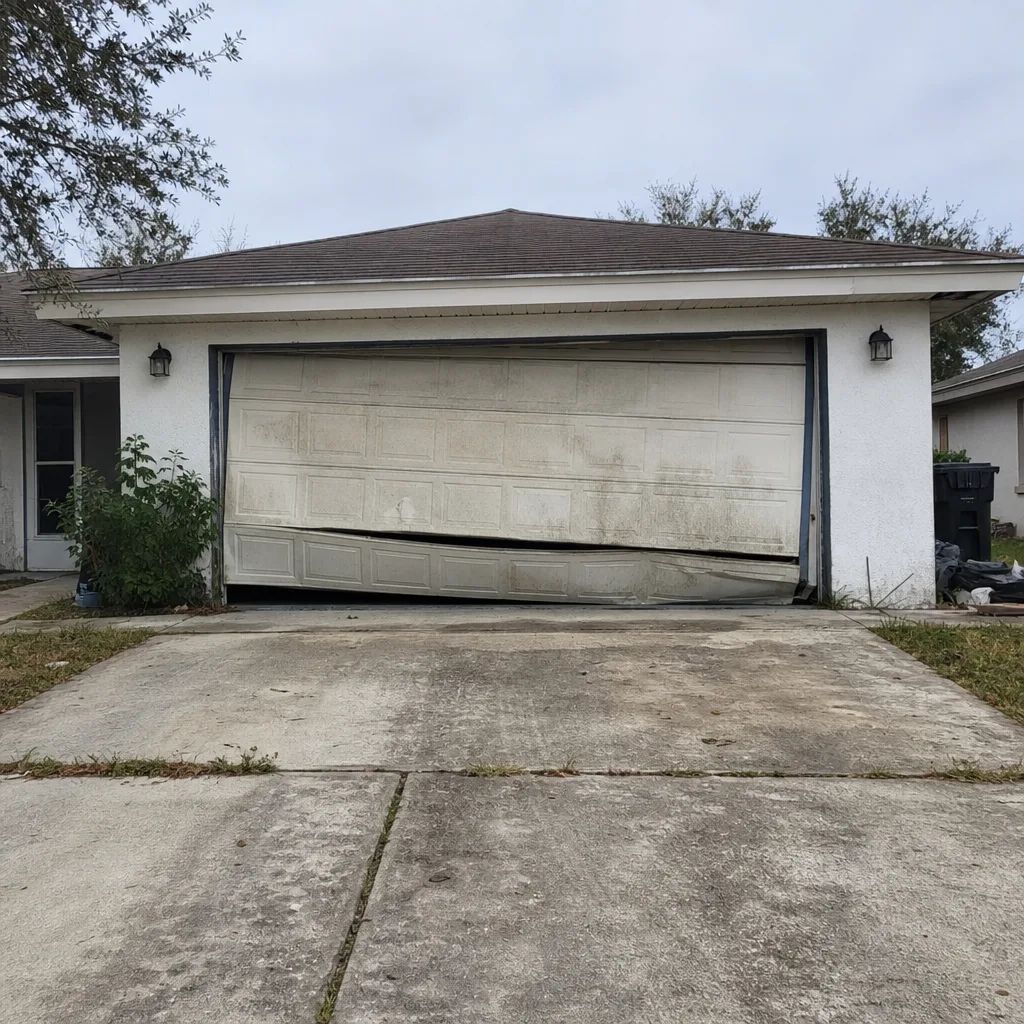 Before
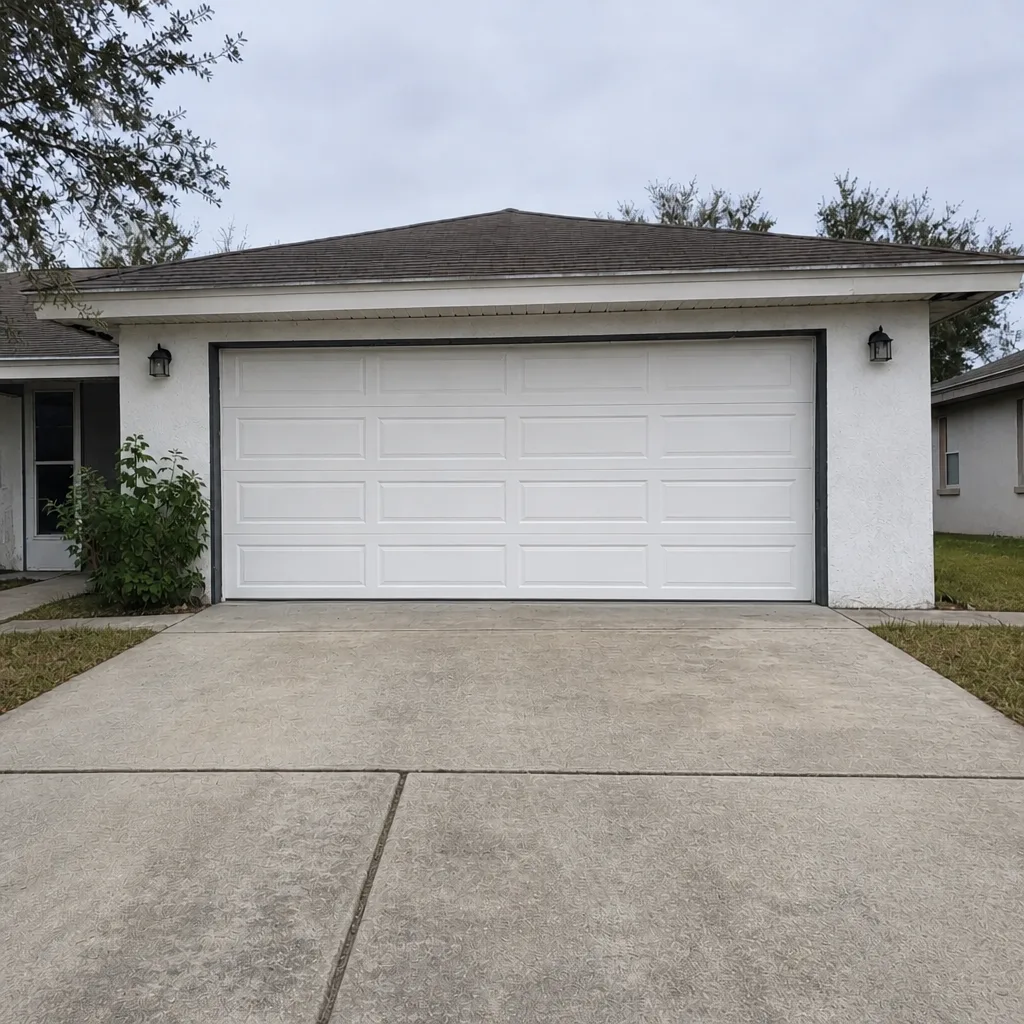 After
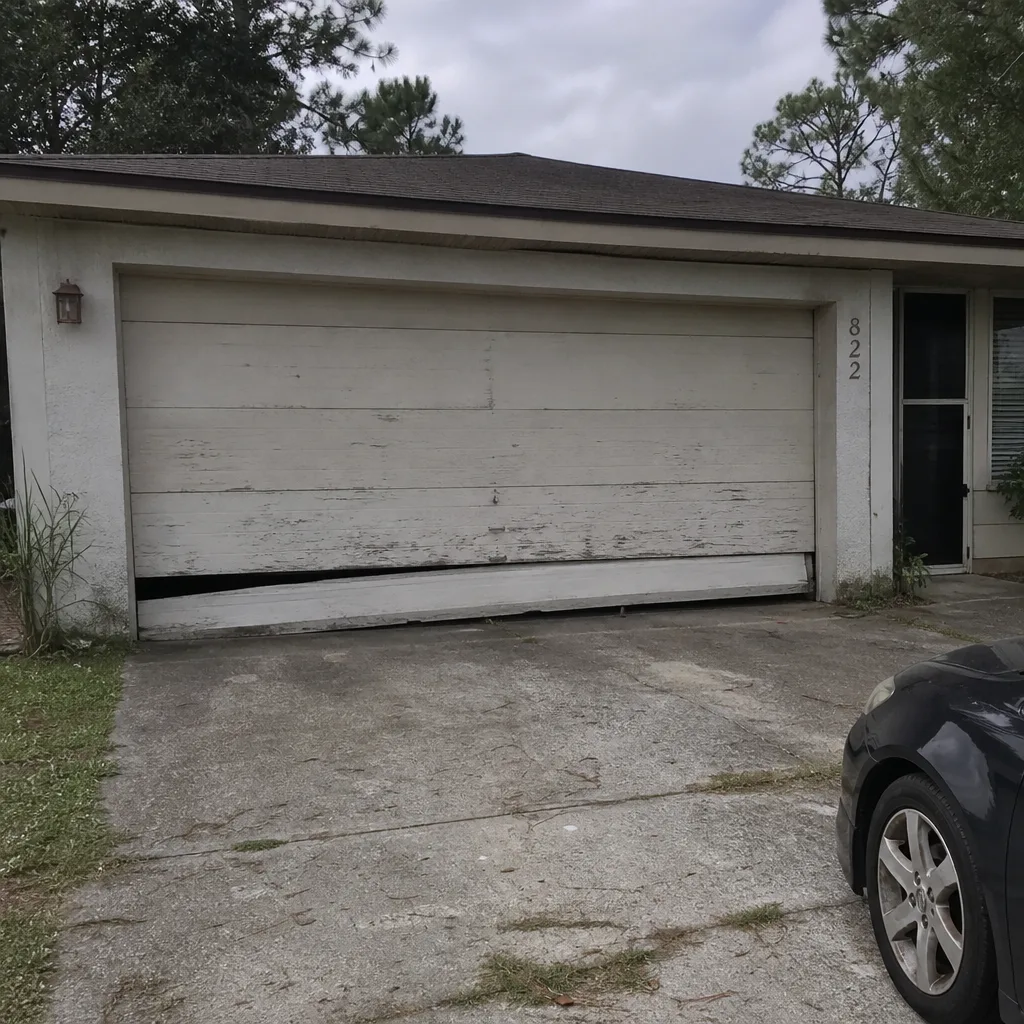 Before
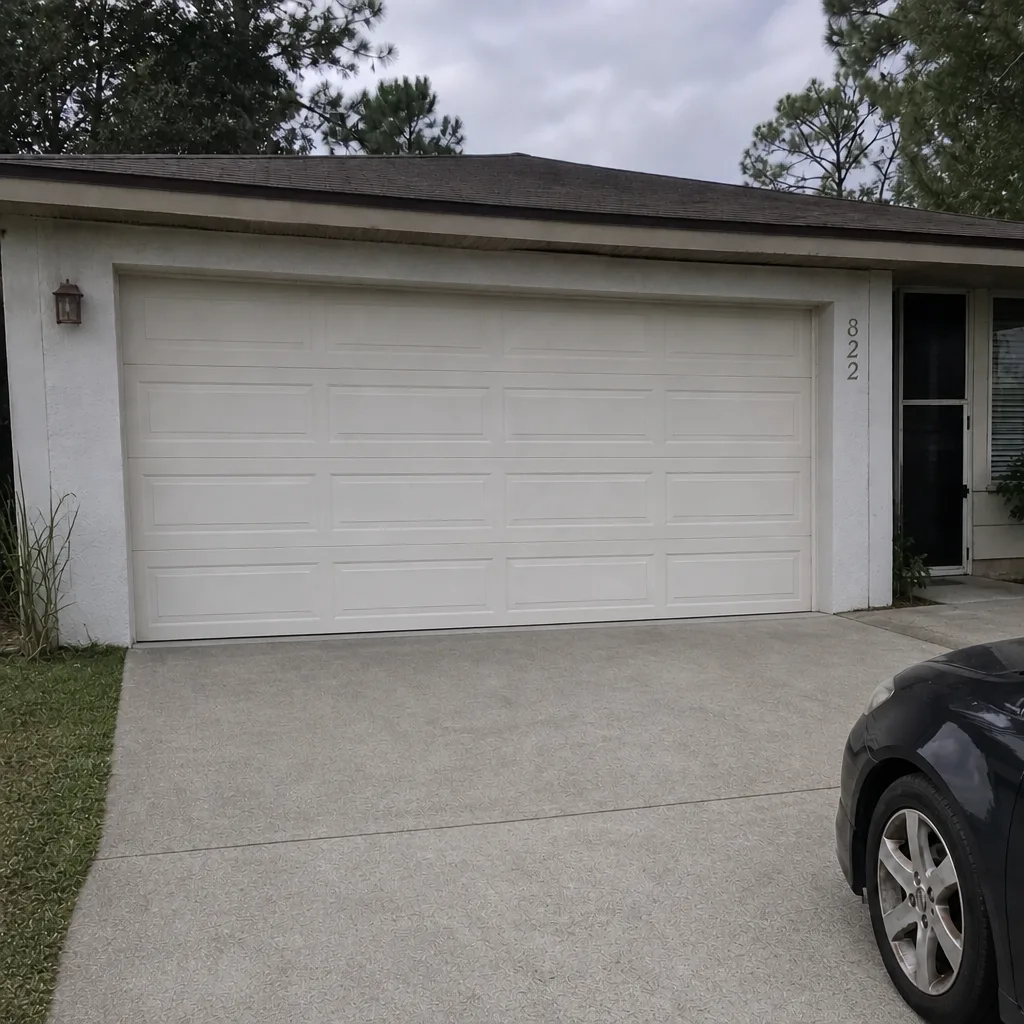 After
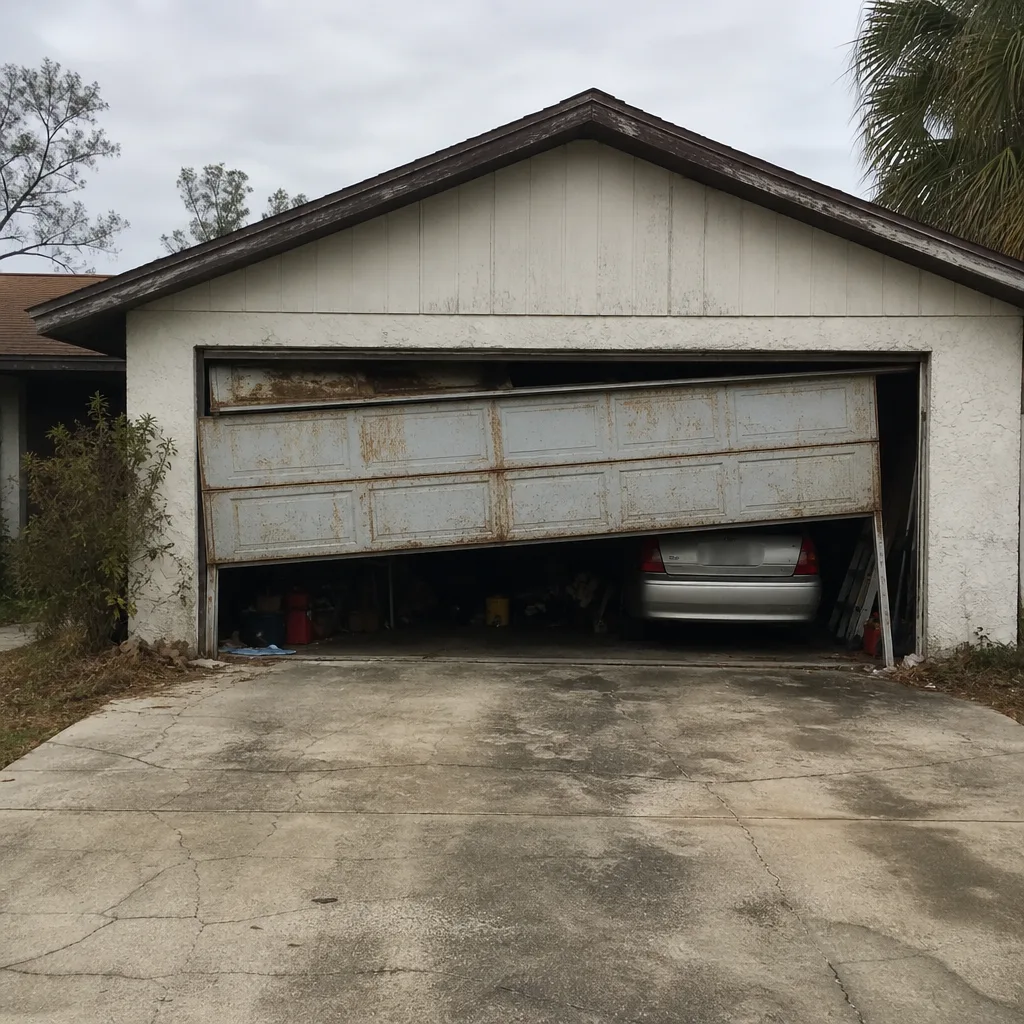 Before
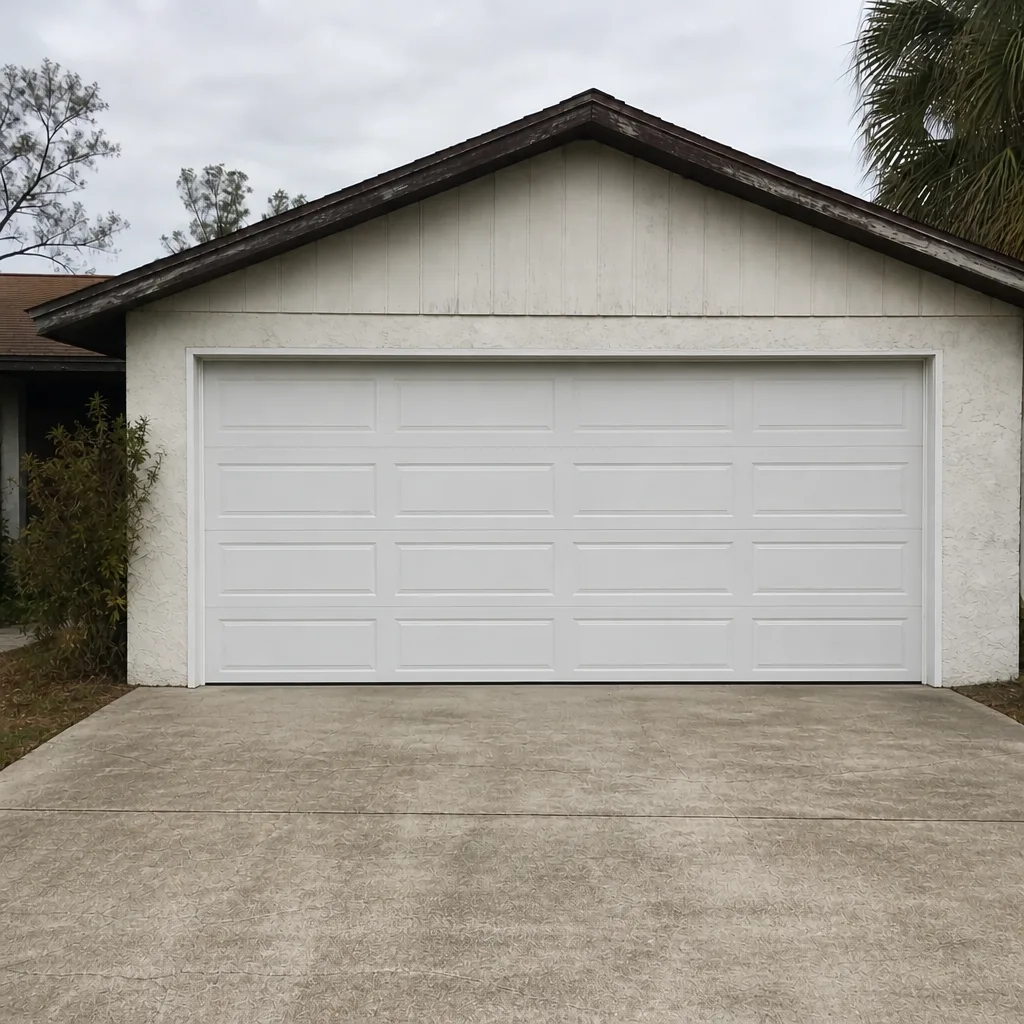 After
When to Call a Professional
Call a professional the moment you see any of these: a loud bang combined with a door that won’t move, a cable hanging loose or coiled on the floor, a visible gap in a spring coil, a door that drops fast on one side, or a track with a bend or kink. Call for a scheduled appointment when you’re seeing clustered early wear: a persistent squeal under load, an opener that hesitates in peak heat, rust streaks on a spring with no other symptoms, or a bottom seal that’s fully curled. If your car is trapped and the door won’t budge, that’s what emergency service is for. Lehigh Acres Garage Door Repair Pros offers free estimates in Lehigh Acres, and our technicians have up to 15 years of experience reading exactly these patterns on doors from every major brand. Call (877) 492-2397. We answer 24/7. Fast dispatch from 7am to 7pm, Sunday through Friday. Don’t run the door again to test it; call first and describe what you heard.
Frequently Asked Questions
The most common warning signs in Lehigh Acres are a loud bang during operation, a door that won’t move, a cable hanging loose, rust streaks on springs, and an opener that hesitates in peak heat. The noise and movement signs point to spring or cable failure, while rust streaks and heat-related hesitation point to early wear that can be scheduled. Reading them as clusters rather than singles is the reliable approach. Call (877) 492-2397 if you’re not sure which cluster you’re seeing; estimates are free.
Stop using the door and don’t try to lift it by hand. A loud bang followed by a stuck door almost always means a spring has broken, and the door is no longer balanced. Check from a distance whether a cable is lying on the floor or coiled at the side; if it is, that confirms the pattern. Move anything valuable out from under the door and call (877) 492-2397. We answer 24/7. Fast dispatch from 7am to 7pm, Sunday through Friday.
Only if the springs are intact and the door is balanced. Pull the red release cord to disengage the opener, then lift the door about a foot and let go. If it stays put, the springs are holding; if it drops fast or rises on its own, don’t lift it further. A door with a broken spring or snapped cable should never be lifted by hand. Call (877) 492-2397 for guidance before you try.
Spring repair in Lehigh Acres typically runs $180-$340 for a single spring and roughly twice that for a matched pair, which is usually replaced together. Prices are estimates for the job type; the written quote you get before work starts is the price, and it’s set per job. Call (877) 492-2397 for an exact quote. Estimates are free.
Because openers have thermal protection that steps in sooner in a warm garage. A door that hesitates, pauses, or reverses in mid-afternoon heat but works fine in the morning is telling you the motor is under extra load, often because the door is heavier than it should be. That’s typically a spring or track issue rather than the opener itself. Call (877) 492-2397 to book a diagnosis; estimates are free.
At least once a season, and always after a storm. Lehigh Acres humidity and sun accelerate the wear on seals and springs, so the ground-level checklist is worth running every few months. A five-minute check on springs, cables, tracks, balance, and the bottom seal catches most problems before they become failures. If anything looks off, call (877) 492-2397. Estimates are free.
The Bottom Line
Warning signs mean more in combination than in isolation. A single squeal is usually a roller. A squeal plus a slow lift plus rust on the springs is a spring on its way out. A bang plus a stuck door plus a cable on the floor is a stop sign. Read the cluster, not the single cue, and you’ll act earlier and spend less. In Lehigh Acres, add rust patches, UV-curled seals, and peak-heat opener hesitation to your watch list. Never touch a spring or cable yourself, and never lift a door by hand after a failure. If you see any of the imminent-failure combinations, call a specialist. Your garage door is all we do, and we do all of it.
When you’re ready to have something looked at, call (877) 492-2397 for a free estimate. We answer 24/7. Fast dispatch from 7am to 7pm, Sunday through Friday.
Written by the team at Lehigh Acres Garage Door Repair Pros.