
Last updated November 21, 2026
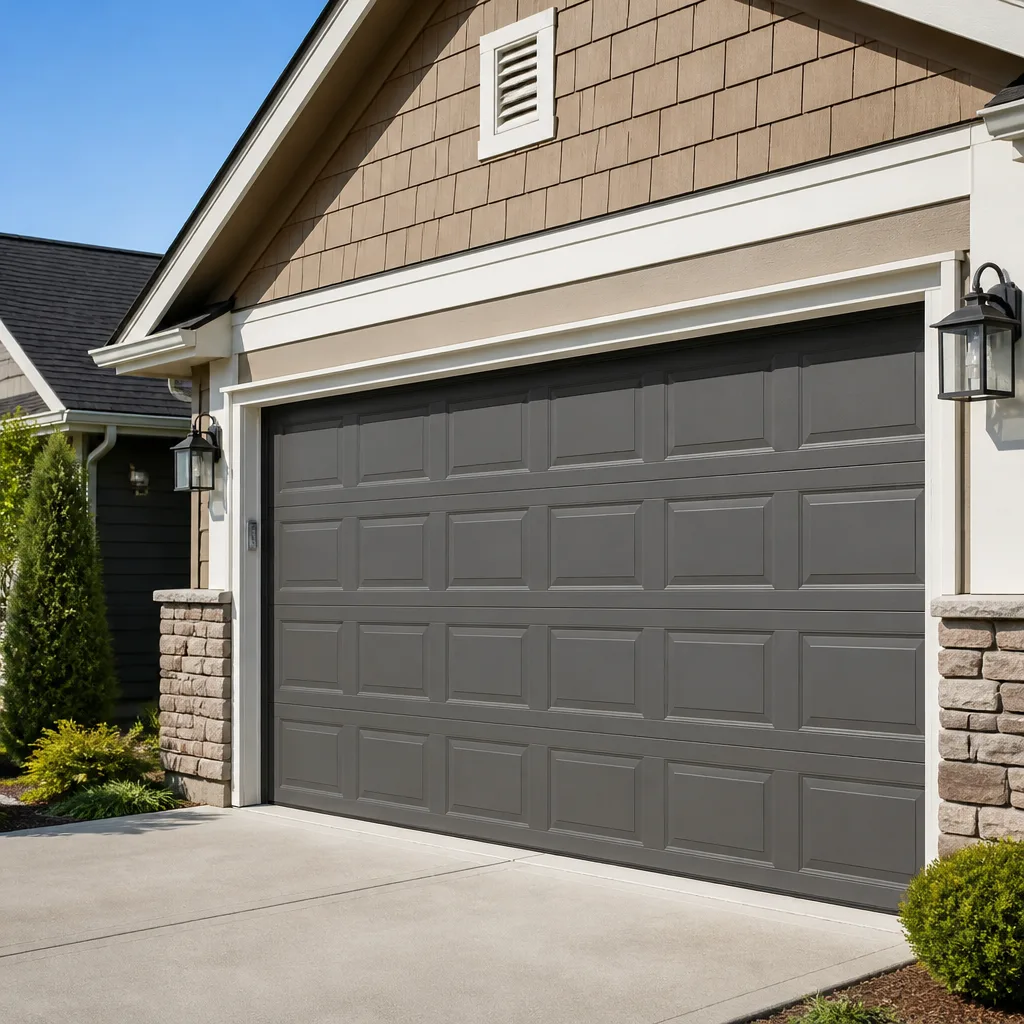 Raised-panel steel
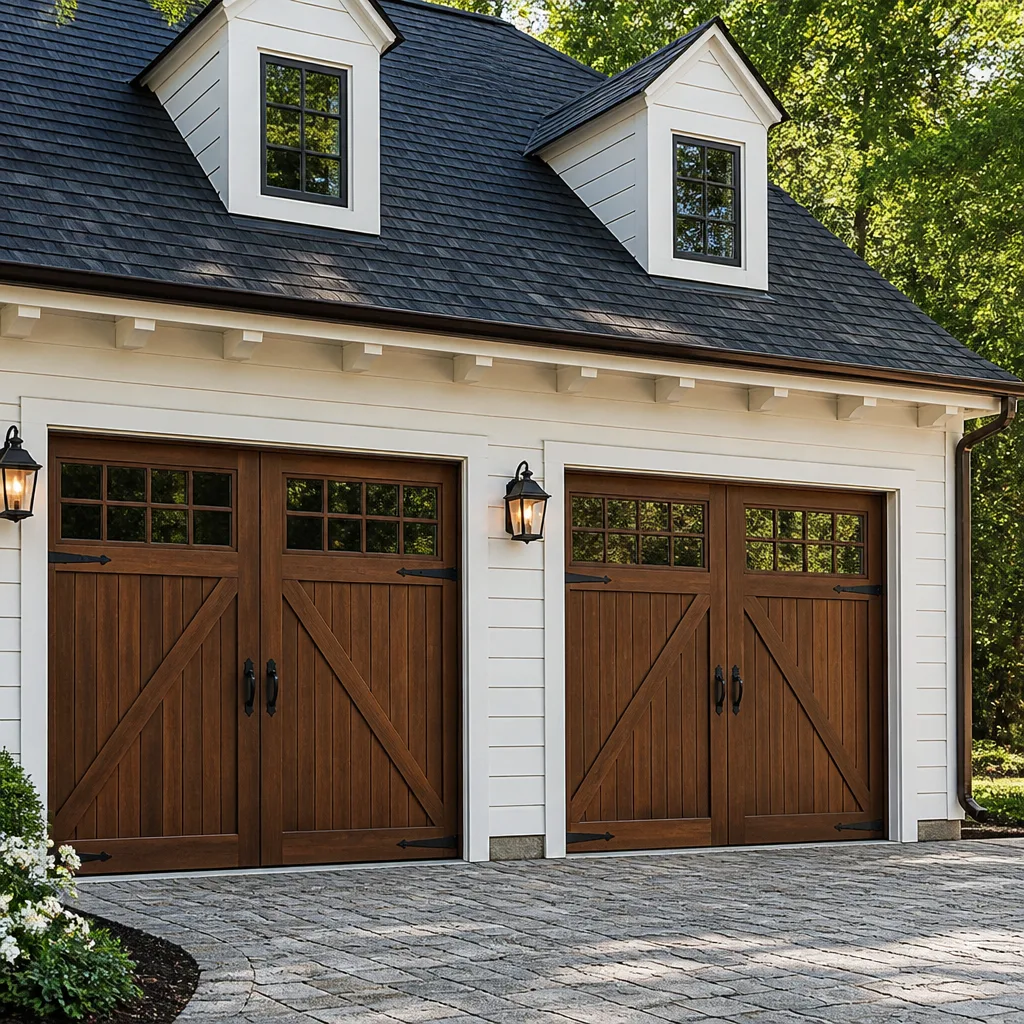 Carriage house
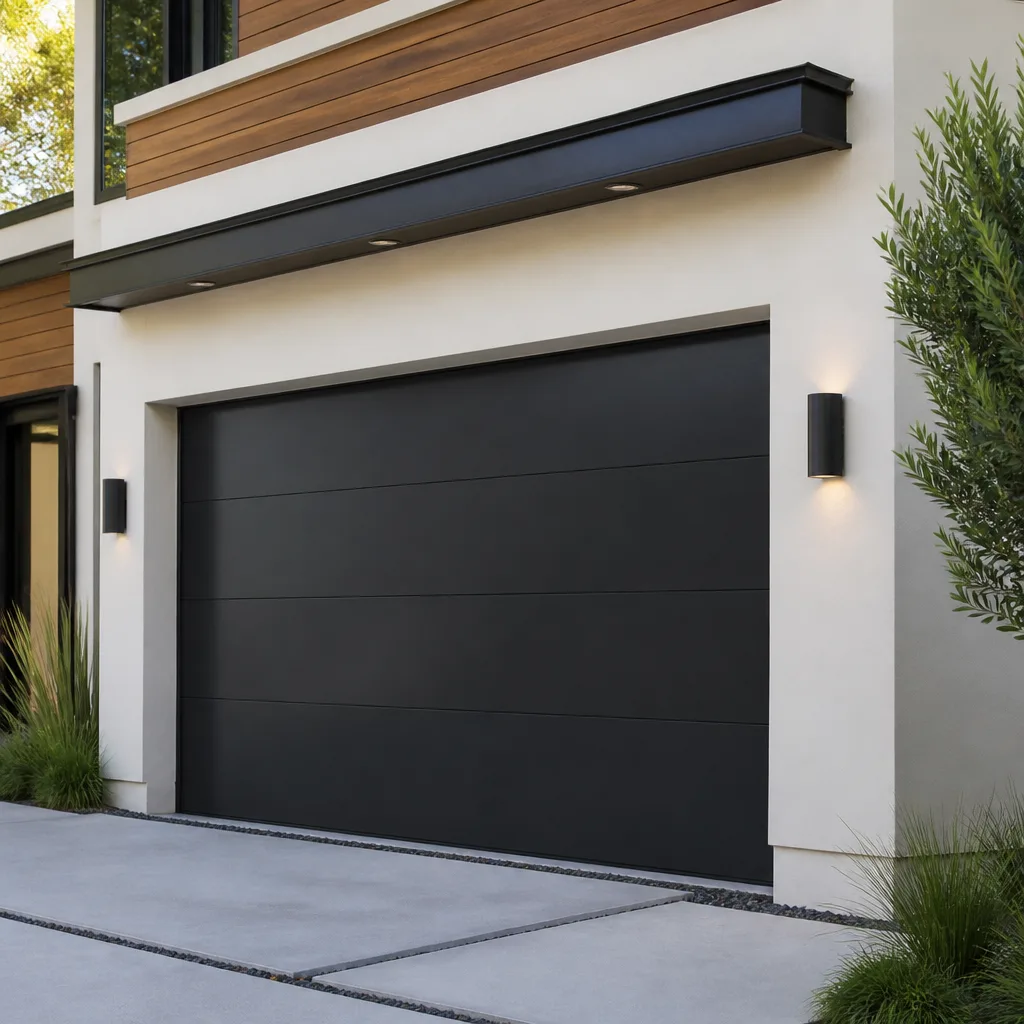 Modern flush
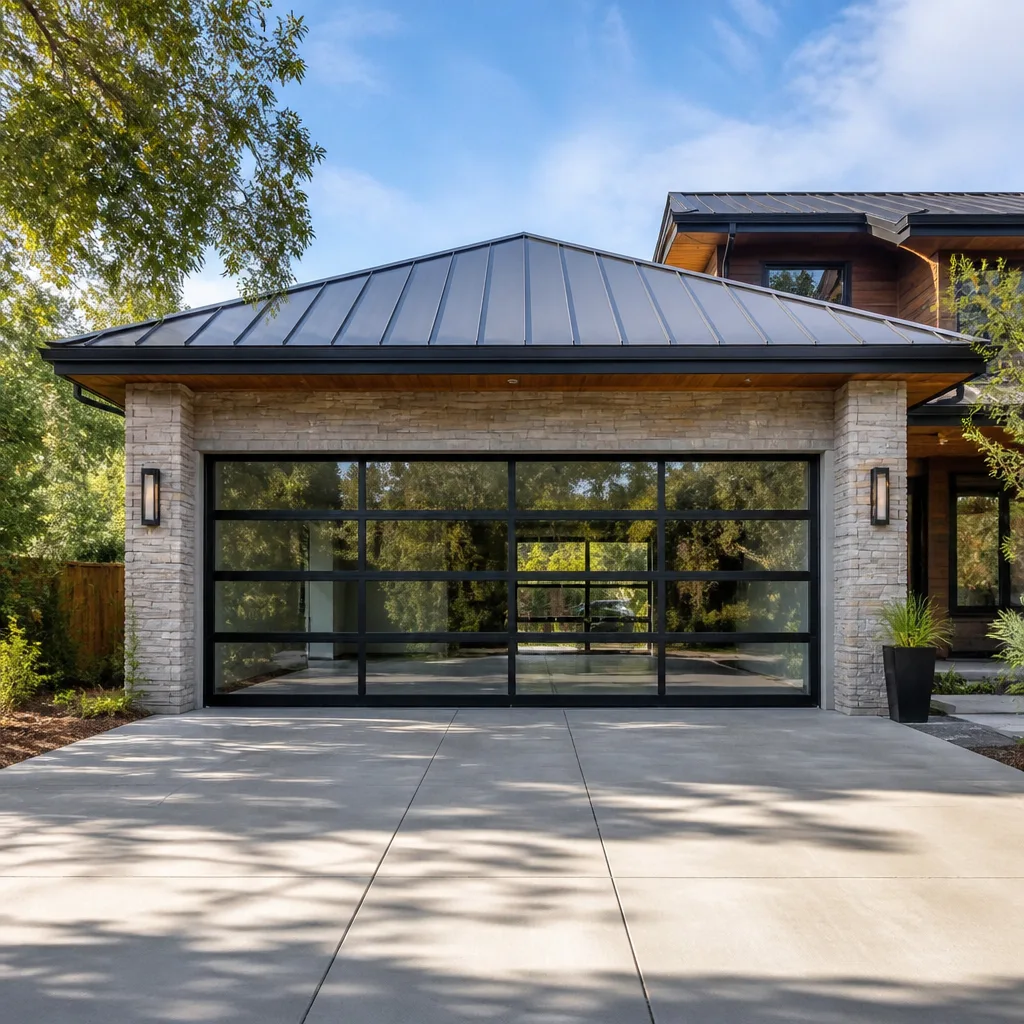 Full-view glass
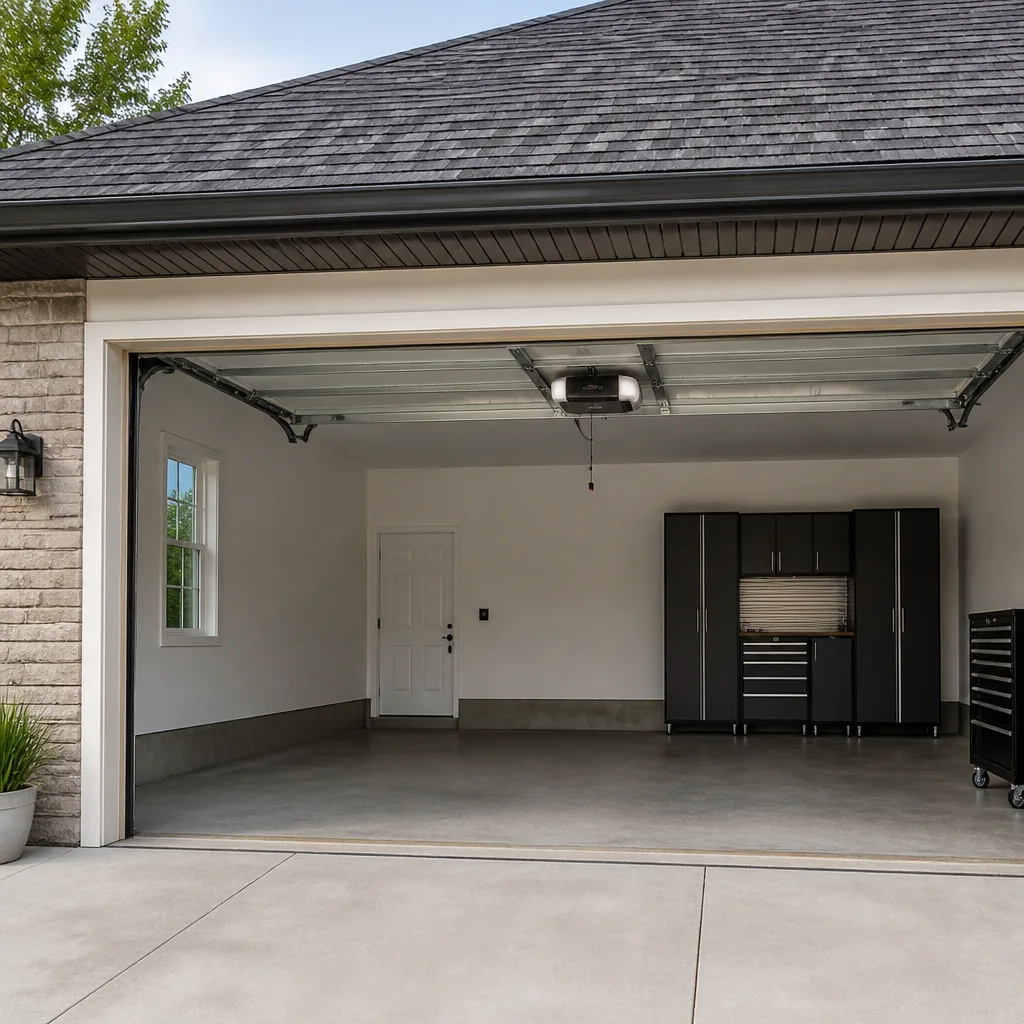 LiftMaster openers
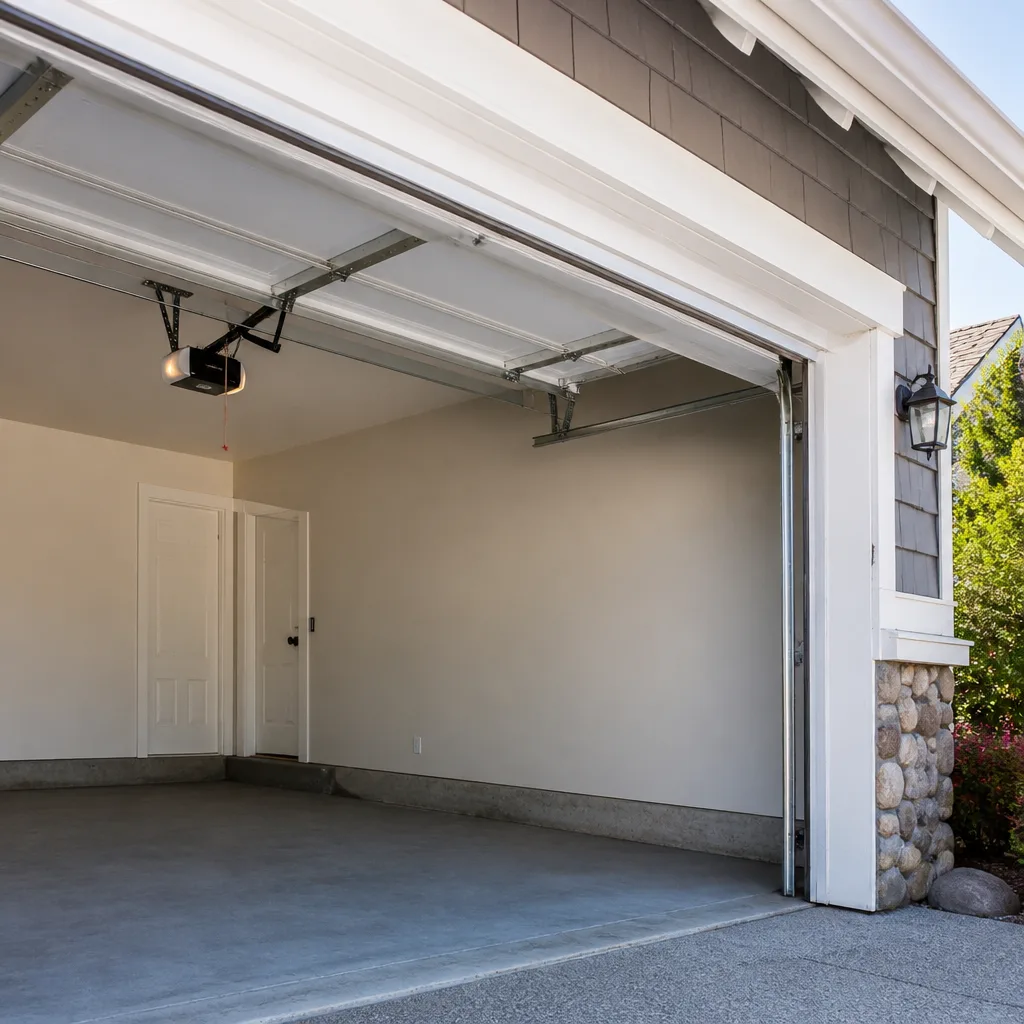 Chamberlain openers
Full 25-point door and opener safety check with every visit - springs, cables, rollers, tracks, and your LiftMaster or Chamberlain opener included
You get a price before we start. It does not change when the pro arrives.
Get your free estimateSeasonal Garage Door Care for Lehigh Acres: Year-Round Homeowner’s Guide
Telling a Lehigh Acres homeowner to “winterize” their garage door is like telling them to shovel the driveway. The advice isn’t wrong. It just has nothing to do with where they live. Lehigh Acres doesn’t run on a four-season calendar. It runs on a wet season and a dry season, and each one attacks your garage door in a completely different way. The storms that roll through from May to October stress seals, tracks, and electrical components. The long dry stretch from November to April bakes rubber, dries out lubricant, and quietly works on your springs. This guide drops the spring-summer-fall-winter playbook entirely and builds a care schedule around the weather you actually get. You’ll learn what to check, when to check it, and when a job is better handed to a specialist.
Quick Answer
Garage door care in Lehigh Acres follows two seasons, not four. Before the wet season arrives in May, check door seals, drainage, opener battery backup, and surge protection. Through the dry season from November to April, watch for UV-cracked seals, dried-out lubricant, and spring tension changes. Time your one deep professional inspection for late October, right before the weather turns.
Styles & brands we work with
- Raised-panel steel
- Carriage house
- Modern flush
- Full-view glass
- LiftMaster openers
- Chamberlain openers
Table of Contents
- Why Lehigh Acres Garage Doors Don’t Follow a Four-Season Calendar
- The Pre-Wet Season Checklist: What to Do in May
- Mid-Wet Season: Spotting Water Intrusion Before It Reaches the Opener
- Post-Storm Protocol: What to Check Before You Open the Door
- Dry Season Care: UV, Lubricant, and Spring Tension
- Why Late October Is the Best Time for a Deep Inspection
- A Month-by-Month Care Rhythm for Lehigh Acres
- Common Mistakes to Avoid
Why Lehigh Acres Garage Doors Don’t Follow a Four-Season Calendar
Most garage door maintenance advice you’ll find online was written for a climate with a hard freeze and a long thaw. That advice assumes the biggest threat to your door is cold. In Lehigh Acres, cold is never the problem. Moisture and sun are.
Our wet season delivers concentrated rain, high humidity, and frequent thunderstorms. That combination finds every weak point in a garage door system: worn bottom seals, gaps at the corners, a track that sits a little low, a control board that’s a bit too exposed. Water doesn’t need to flood your garage to do damage. It only needs to sit against a seal or creep toward an electrical component until something corrodes or shorts.
Our dry season is the opposite problem in slow motion. Months of strong sun and steady heat do a specific kind of damage. Rubber seals dry out and crack. Lubricant on rollers, hinges, and springs evaporates faster than you’d expect. Metal expands and contracts through the daily temperature swing, and springs that were under correct tension in January can feel different by April.
The practical takeaway is simple: stop thinking about “spring maintenance” and “fall maintenance” and start thinking about “before the rains” and “before the dry stretch.” A Lehigh Acres garage door that gets the right attention at those two moments holds up far better than one that gets a generic yearly tune-up on a schedule built for Ohio. If something does go wrong, our garage door repair service is built around exactly this climate.
The Pre-Wet Season Checklist: What to Do in May
May is the pivot point in Lehigh Acres. The afternoon storms start stacking up, and everything you didn’t fix during the dry months gets tested at once. This is the single most valuable maintenance window of the year, and it takes a couple of hours to work through properly.
Make this your pre-wet season routine before the first big storm pattern settles in:
- Inspect the bottom seal. Run your hand along the rubber seal at the bottom of the door and look for cracks, flat spots, or sections pulling away from the retainer. A seal that’s already failing won’t keep driven rain out.
- Check the perimeter for daylight. With the door closed, look for light coming through at the sides and top. Gaps that seem minor in dry weather become water entry points when rain hits at an angle.
- Clear the garage floor drainage path. Make sure water that does get in has somewhere to go. Check that the slab slopes toward the door or a drain and that nothing is stored against the threshold.
- Test the opener’s battery backup. A storm that knocks out power shouldn’t also trap your car. Confirm the backup battery is charged and the opener still cycles the door when unplugged.
- Look at surge protection for the opener. The opener’s control board is a small computer, and lightning-induced surges are a real risk in storm season. A quality surge protector on the opener’s circuit is cheap insurance.
- Lubricate the moving parts. Apply a proper garage door lubricant to hinges, rollers, and the spring. Do this before the humid months, not during them, so the lubricant has a chance to work into the joints.
- Test the safety reverse. Put a piece of wood in the door’s path and confirm it reverses on contact. Do this now, while you have time to have it fixed.
If you’d rather have a trained eye run this list, our Lehigh Acres Garage Door Repair Pros handle pre-season checks alongside standard repairs, and spotting a worn component in May is far cheaper than replacing it in August.
Mid-Wet Season: Spotting Water Intrusion Before It Reaches the Opener
By July and August, Lehigh Acres is in the thick of the wet season. The rain has been hitting your door for weeks, and that’s when the quiet damage starts. The key is catching water intrusion while it’s still a seal problem and before it becomes an opener problem.
Here’s what to look for as you work through the middle of storm season:
- Water stains on the garage floor near the door. A dark line or damp patch along the threshold means water is getting in. It could be the bottom seal, a side gap, or a threshold that’s settled.
- Rust or corrosion on the bottom bracket, hinges, or track. Small rust blooms on low components are the first sign that moisture is reaching metal. Deal with them early before corrosion spreads to moving parts.
- A damp or musty smell in the garage. Persistent humidity inside the garage, even when it isn’t raining, points to a seal or ventilation issue worth fixing.
- Sticking or grinding when the door moves. Moisture mixed with dried lubricant can turn into a paste that binds rollers and hinges. If the door sounds different than it did in May, that’s a signal.
- The opener behaving inconsistently. If the door stops partway or the opener struggles, moisture may have reached the control board or a limit switch. This is the point where you stop troubleshooting yourself and call a specialist.
The reason water intrusion matters so much in Lehigh Acres is the opener. That unit is electrical, and moisture near a control board or the wiring harness is how working openers turn into dead ones. If you notice an opener that’s cycling oddly after heavy rain, that’s a job for garage door opener repair, not something to ignore and hope dries out on its own. We’ve seen plenty of openers in Lehigh Acres that failed not because the motor wore out, but because water got to the electronics first.
Post-Storm Protocol: What to Check Before You Open the Door
After a named storm or a severe thunderstorm rolls through Lehigh Acres, the instinct is to hit the button and get back to normal. Don’t. A door that took wind load or impact can have damage you can’t see from inside the car, and operating it in that condition can turn a repair into a replacement.
Walk through this sequence before you run the opener:
- Look at the door from outside, standing back. Is the door sitting level in the opening? Is any panel bent, dented, or pushed in? A door that’s visibly out of square shouldn’t be operated.
- Check the tracks for bends, dents, or debris. Wind-driven debris and impact can knock tracks out of alignment. A bent track will fight the rollers and stress the whole system.
- Look at the cables on both sides. Cables should be taut and seated on the drums. A slack or off-track cable means the door is not safe to operate.
- Look at the springs. A broken spring is usually visible as a gap in the coil. Do not try to touch, adjust, or test springs yourself. Torsion springs are under extreme tension and can cause serious injury if handled without training.
- Check for water in the garage and around the opener. If water reached the opener or its wiring, cut power to the opener at the breaker and leave it off.
- Test manually, carefully, only if everything above looks normal. Pull the release handle and lift the door by hand. It should move smoothly and stay put when partly open. If it drops or fights you, stop.
Any of the problems above are a reason to leave the door closed and call a specialist. If a storm has trapped your car or your door won’t move at all, that’s what our emergency service is for. We answer 24/7, with fast dispatch from 7am to 7pm, Sunday through Friday, and we’re closed Saturday. Emergency garage door work is a core part of what we do, not a premium add-on.
Dry Season Care: UV, Lubricant, and Spring Tension
From November through April, Lehigh Acres dries out and the sun does its work. This is the season when the damage is slow and easy to miss. It’s also the season when the fixes are cheapest, because you’re catching wear before it becomes a failure.
Watch for UV degradation on seals
Rubber and vinyl seals take steady ultraviolet exposure through the dry months. What starts as a slightly dull, dry-looking seal turns into a cracked, brittle one. Run a hand along the bottom seal and side seals once a month. Any seal that feels hard, cracks when flexed, or has visible splits needs replacing before the wet season returns.
Reapply lubricant as it evaporates
Heat and dry air pull lubricant off rollers, hinges, and spring coils faster here than in cooler climates. A garage door that squeaks or groans in February is telling you it’s dry. A light application of proper garage door lubricant on hinges, rollers, and the spring is usually enough. Don’t use general-purpose oil or grease; use a lubricant meant for garage doors.
Check spring tension and balance
Springs carry the full weight of the door, and the daily temperature swing through the dry season changes how they feel over time. A simple balance check tells you a lot: with the door closed, pull the release, lift the door halfway, and let go. A well-balanced door stays roughly in place. A door that drops fast or won’t stay put is telling you the spring tension has drifted and needs a professional look.
Spring work is a job to leave alone. Torsion and extension springs are the most safety-critical components on the whole door, and this is exactly the kind of work generalists decline or get wrong. When a spring needs attention, our garage door spring repair handles it as a specialty, with the tooling and training the job actually requires.
Why Late October Is the Best Time for a Deep Inspection
If you schedule one professional inspection a year in Lehigh Acres, put it in late October. That timing isn’t arbitrary; it’s built around the calendar your door actually lives by.
Late October sits right at the transition point between the two seasons. You’ve just come through months of heat, sun, and daily temperature swings, so any wear from the dry season is fully visible. And you’re weeks away from the wet season, so anything found in the inspection can be fixed before the rain arrives. A repair done in late October protects the door through storm season. A repair done in June is a repair made after the damage has already happened.
A proper deep inspection covers:
- Spring tension and overall door balance
- Cable condition, seating, and drum alignment
- Track alignment, roller wear, and hinge condition
- Bottom seal and perimeter seal condition
- Opener operation, safety reverse, and battery backup
- Fastener tightness and panel and frame integrity
Our technicians have up to 15 years of experience and are factory-familiar with the major brands we work on, so an inspection doesn’t stop at “looks fine.” They identify the actual make and model, check it against known wear patterns, and tell you what needs attention now and what can wait. If you’re ready to book a pre-wet season check, call (877) 492-2397. Estimates are free.
A Month-by-Month Care Rhythm for Lehigh Acres
You don’t need a long list of complicated maintenance tasks. You need a simple routine that matches the seasons. Here’s a rhythm that works for most Lehigh Acres homes.
- May: Full pre-wet season checklist. Seals, drainage, battery backup, surge protection, and lubrication.
- June through October: Monthly visual checks for water intrusion. Look at floor stains, low rust, and anything unusual in how the door moves. Test the opener’s safety reverse once a month.
- After every severe storm: Run the post-storm sequence before opening the door.
- November through April: Monthly checks for UV damage to seals and lubrication needs. Balance test the door once a month.
- Late October: Book the annual deep inspection.
That’s the whole plan. Two transition points and a monthly five-minute check cover what most garages need. Homes in Lehigh Acres that get a lot of afternoon sun on the door face may need to check seals and lubricant more often, and doors on the more exposed lots should get a close look at the seals going into each season.
Common Mistakes to Avoid
The problems we see most in Lehigh Acres aren’t caused by bad components. They’re caused by maintenance habits that don’t fit this climate. Here’s what to skip:
- Following a northern maintenance calendar. Winterizing and de-icing advice has no place here. Your real risk windows are the wet season and the dry season, and the tasks that matter are built around those two, not around a winter that never comes.
- Lubricating on a northern schedule. A once-a-year lubrication in spring doesn’t last through a Lehigh Acres dry season. The heat and dry air pull lubricant off faster than that, so expect to reapply.
- Ignoring a small seal crack. A minor split in the bottom seal looks harmless in February. By August, it’s letting rain into your garage and soaking the bottom bracket and track.
- Running the door after a storm without checking it. Impact damage and bent tracks don’t show up when you’re pressing the button. Operate a damaged door and you can turn a track repair into a full replacement.
- Relying on the opener’s battery backup without testing it. The backup only helps if it still holds a charge. Test it before storm season, not during it.
- DIY spring adjustment. Springs are under extreme tension. This is not a job for a homeowner or a general handyman, and it’s the one item on the list worth leaving to a trained professional without exception.
- Skipping the surge protector on the opener circuit. The control board on your opener is a small computer, and lightning-driven surges in the wet season can take it out. Protect it before the storms, not after the opener stops responding.
See the difference
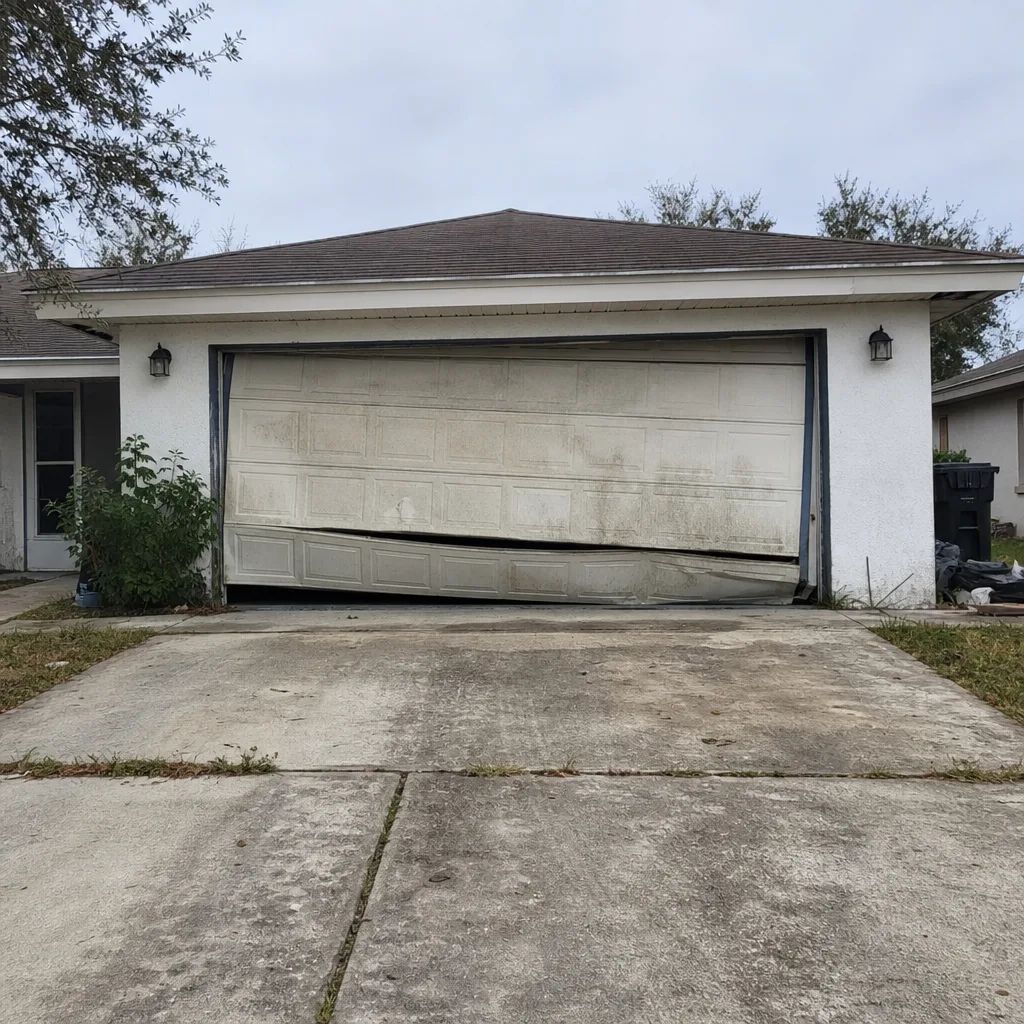 Before
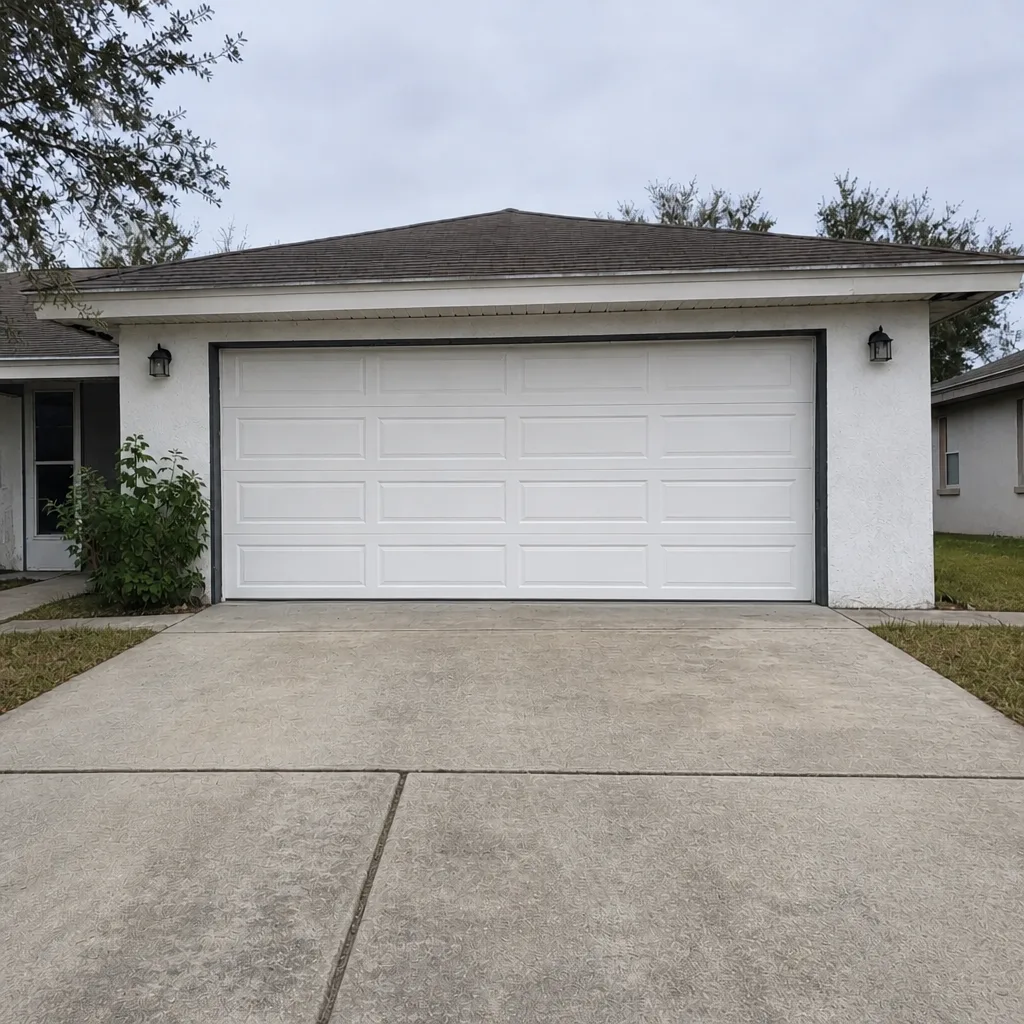 After
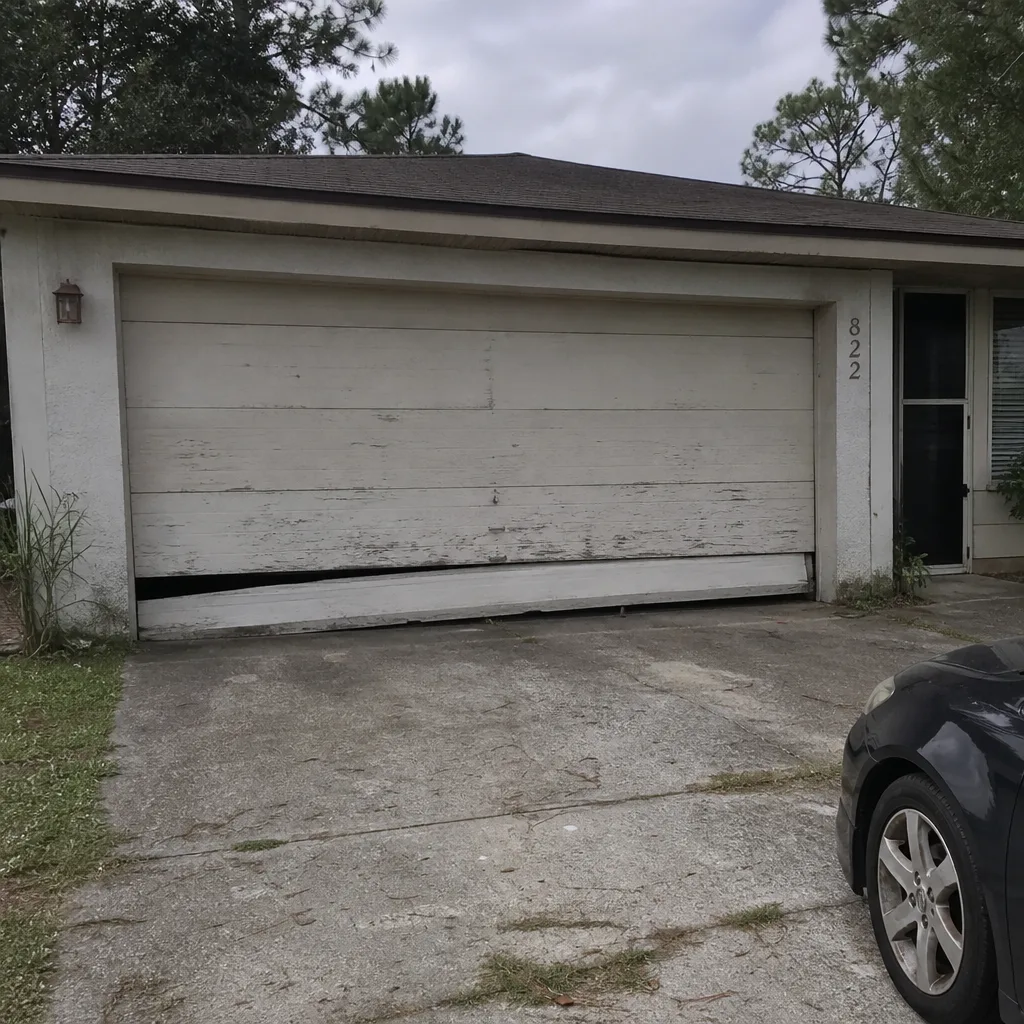 Before
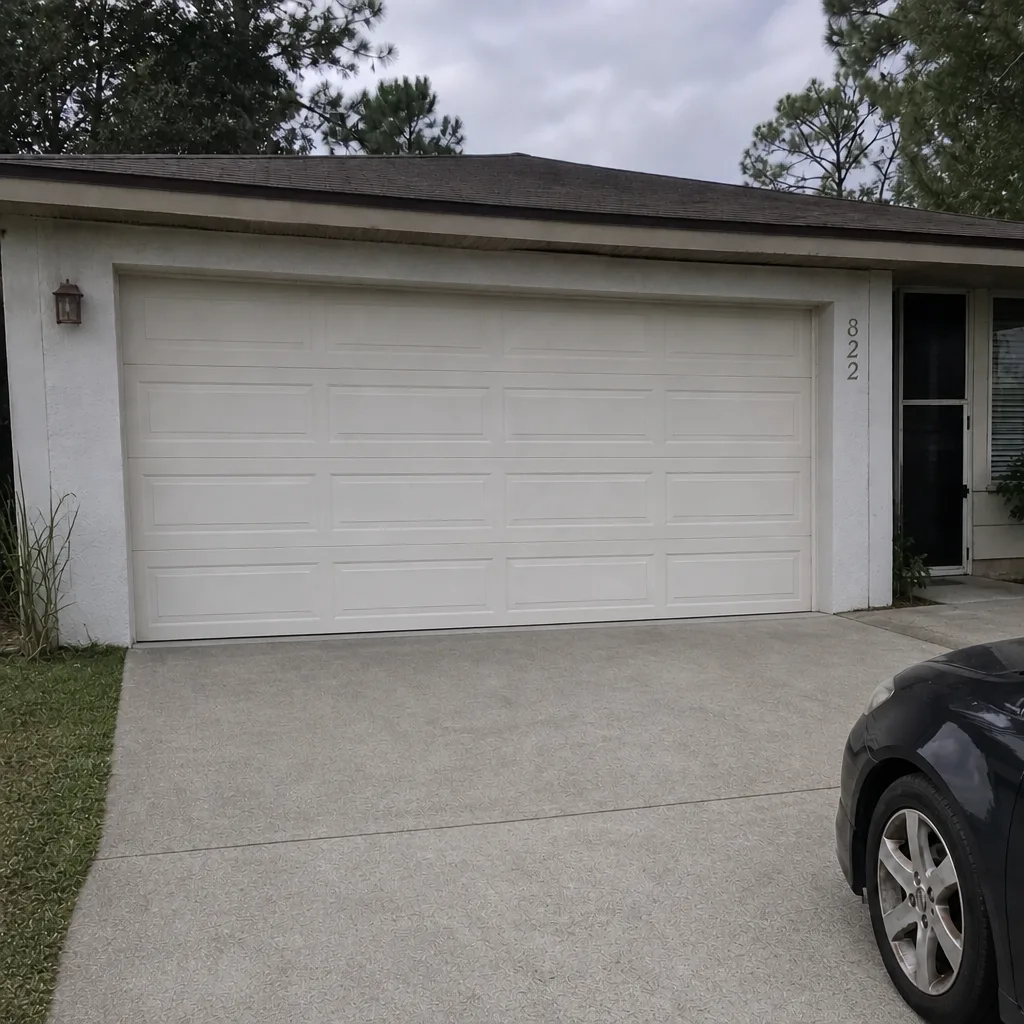 After
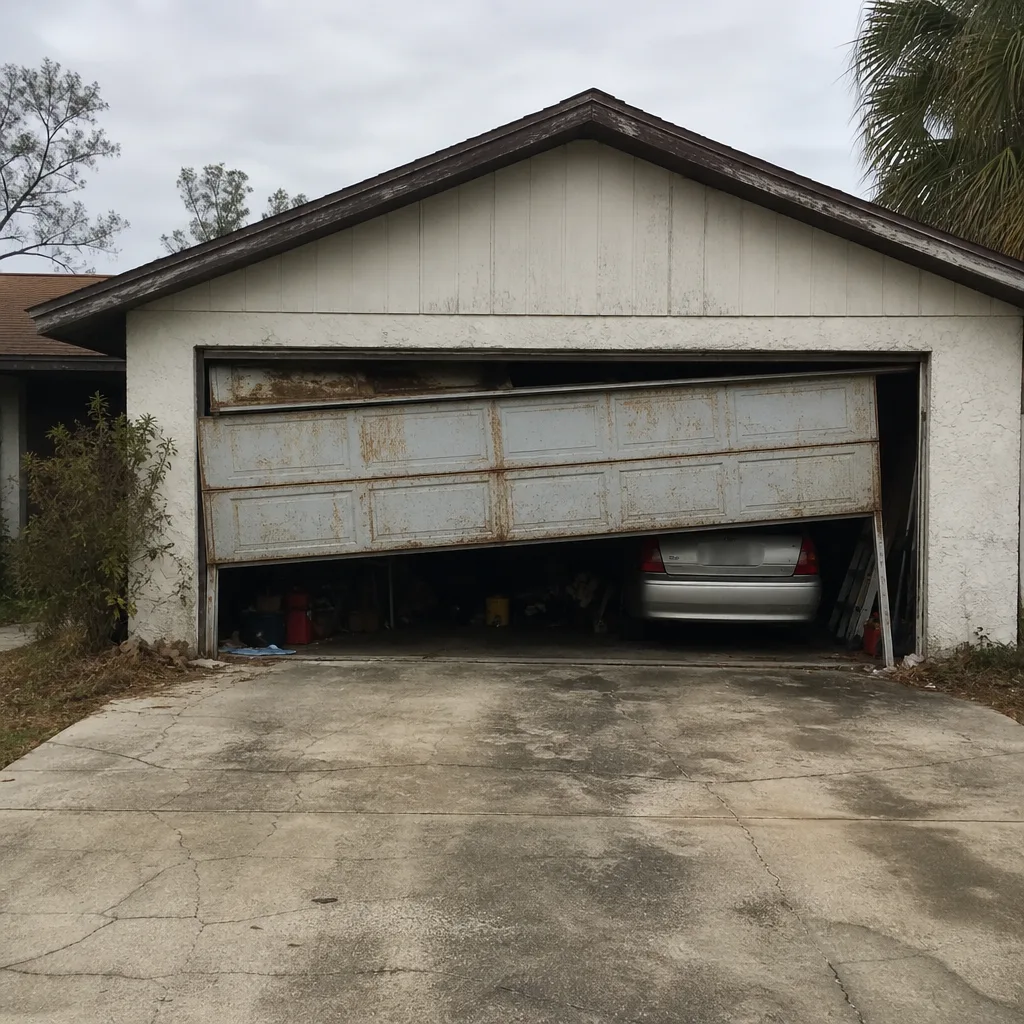 Before
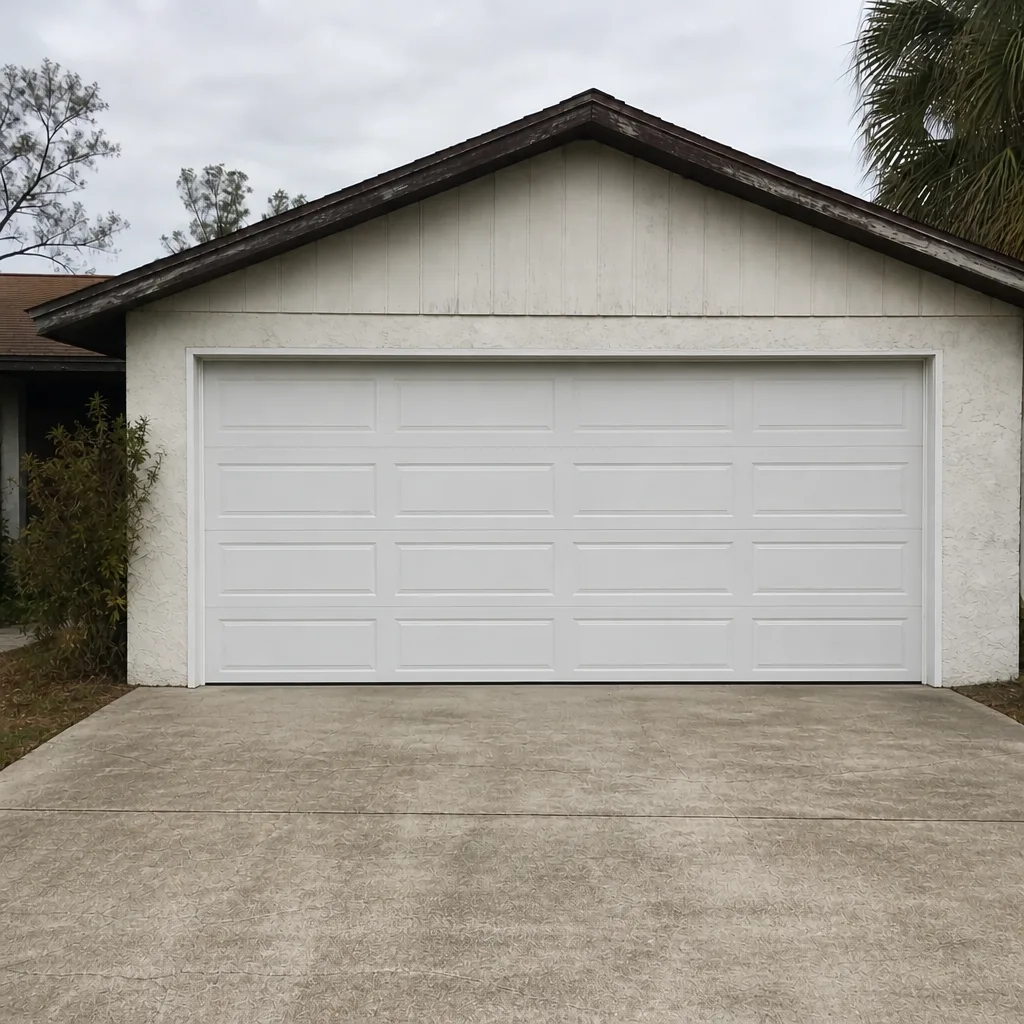 After
When to Call a Professional
Some tasks belong in your routine, and some belong in ours. Call a specialist when the door won’t move at all, when you see a slack cable or a broken spring, when the door is visibly out of alignment after a storm, or when the opener cycles but the door doesn’t respond. Call immediately if a car is trapped inside or the door has come off its track and is hanging. We answer 24/7, and fast dispatch from 7am to 7pm, Sunday through Friday, gets a technician to you as soon as the next opening.
Lehigh Acres Garage Door Repair Pros offers free estimates in Lehigh Acres. Call (877) 492-2397 to book a pre-wet season check, a deep inspection, or a repair. Every price is set by a written estimate, and you’ll know the final number before any work starts. Brand work, including Amarr, Wayne Dalton, Craftsman, and Raynor systems, is matched to your exact model by a team that works on garage doors exclusively.
Frequently Asked Questions
The best time for a deep inspection is late October, just before the dry season ends and the wet season begins. October timing lets a specialist spot wear from the dry season and fix it before the rains arrive. A pre-season check in May is also worth booking if you want extra coverage going into storm season. Call (877) 492-2397 for a free estimate.
Every few months in Lehigh Acres, because the heat and dry air pull lubricant off faster than in cooler climates. Apply a proper garage door lubricant to hinges, rollers, and the spring. If the door starts squeaking or groaning in the dry season, that’s a sign it’s overdue. Our garage door repair team can check the full system if you’re unsure.
Yes. Wind load and debris can bend tracks, unseat cables, or tweak a panel without obvious visual damage from inside. Always run the post-storm checklist before operating the door, and call a specialist if it feels out of line. If a storm leaves you with a door that won’t open or one that’s off its track, call (877) 492-2397. We answer 24/7.
Heat and daily temperature swings stress the spring constantly through the dry season. Combined with the humidity during the wet season, the spring cycles through far more thermal stress than in a stable climate. A balance check in the dry season catches drift early. Leave any actual spring work to a professional, since torsion and extension springs are under extreme tension. For that job, see our garage door spring repair service.
Yes, especially in Lehigh Acres, where storm-season outages can trap a car inside the garage. Test the opener’s battery backup before the wet season starts, not during it. If the backup won’t hold a charge or the opener doesn’t respond, our garage door opener repair can diagnose the exact make and model and tell you what needs attention.
Stop operating the door and figure out where the water is entering. A worn bottom seal or side gap is usually the cause, but if the opener or its wiring got wet, cut power to it at the breaker and leave it off. Call (877) 492-2397 to book an inspection. Estimates are free, and the written estimate sets the final price before any work starts.
The Bottom Line
Lehigh Acres doesn’t need a four-season garage door plan. It needs a two-season one. Before the wet season in May, check seals, drainage, battery backup, and surge protection. Through the dry season, watch for UV-cracked seals, dried-out lubricant, and spring tension drift. Book the deep inspection in late October so wear from the dry months is fixed before the rain arrives. Everything else is a monthly five-minute check. The door that gets this rhythm holds up through storm season and sun season alike.
When a check turns into a repair, or when a door won’t move at all, call Lehigh Acres Garage Door Repair Pros at (877) 492-2397 for a free estimate. We answer 24/7. Fast dispatch from 7am to 7pm, Sunday through Friday. From snapped spring to full installation, your garage door is all we do, and our technicians have up to 15 years of experience on the major brands.
Written by the team at Lehigh Acres Garage Door Repair Pros.